IMAGE: GETTY IMAGES
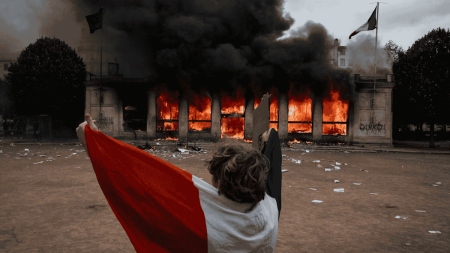
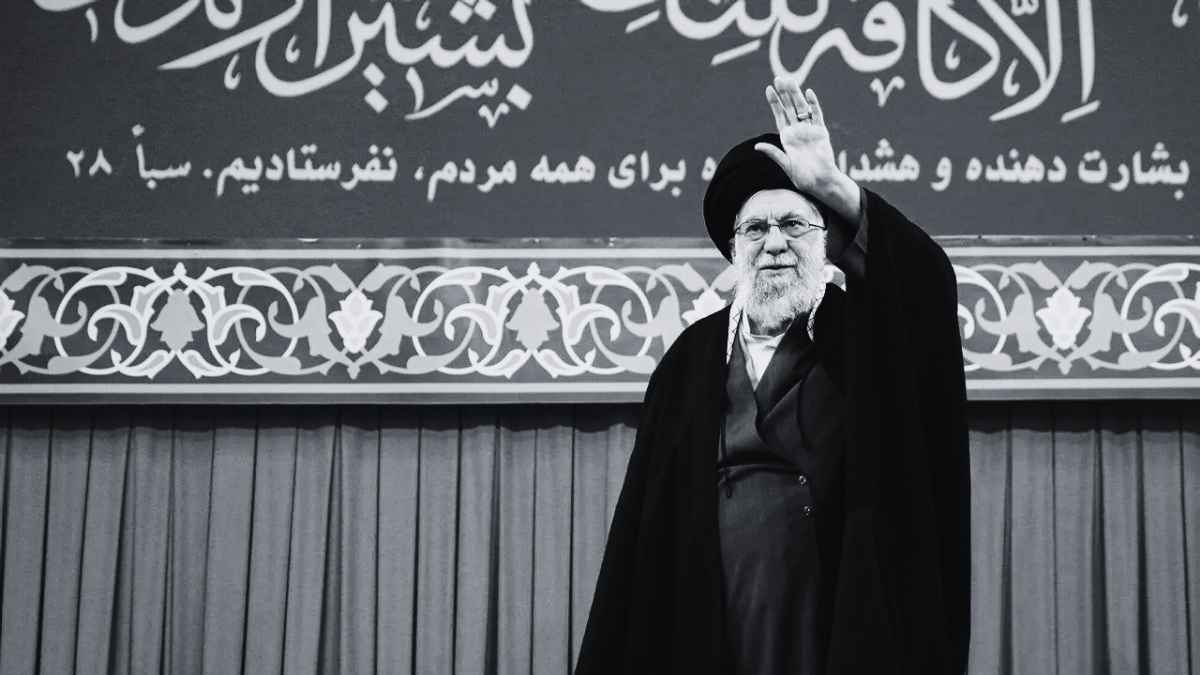
THE CHANTS of “death to Khamenei” that echoed across Tehran’s streets in recent years were always, in the regime’s telling, the work of foreign-backed agitators. On February 28th the demand was answered by American and Israeli warplanes. The supreme leader is dead, killed in his office along with his top general and several family members. State television showed mourners waving flags and vowing revenge. The more revealing footage, circulating on social media, showed Iranians celebrating in the very same streets.
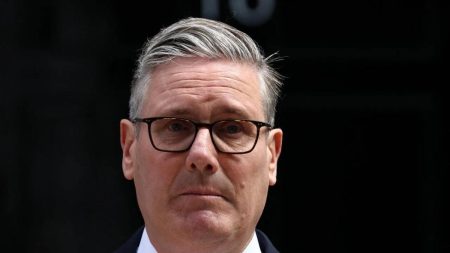
Ali Khamenei was 86 and had ruled for 37 years, longer than any leader since the 1979 revolution. He outlasted presidents who tried to reform the system and those who sought to preserve it. He outlasted protesters shot dead by the thousands in 2009, in 2019, in 2022 and again just weeks ago. But he did not outlast the bombers who found him in his compound. A three-man temporary council—the president, the judiciary chief and a representative of the Guardian Council—now holds formal authority. Its members’ whereabouts are unclear.
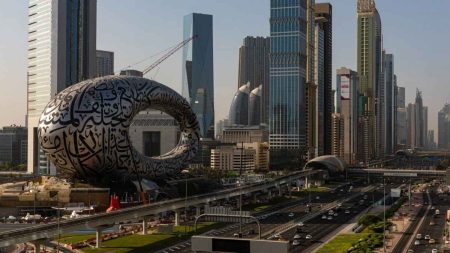
The regime’s response has been fast and, in its own terms, coherent. The Revolutionary Guards, a powerful branch of Iran’s armed forces, have promised the “most crushing” offensive in the country’s history. Missiles have already struck Israel, Saudi Arabia and the United Arab Emirates. Debris from an intercepted drone set the Burj Al Arab hotel in Dubai ablaze. The warning is meant for domestic as well as foreign audiences: the Islamic Republic, its leaders insist, endures.
Yet endurance was never the same as stability. Khamenei spent three decades carefully balancing Iran’s factions against each other—the Guards against the clergy, the president against the parliament—so that all disputes landed on his desk. That system dies with him. The Guards are now the country’s most powerful institution, their commanders untroubled by the clerical oversight that once constrained them. The interim council includes a reformist president, Masoud Pezeshkian, who owes his office to a voter weary of hardline rule. It also includes figures whose loyalty to the supreme leader’s memory may prove flexible.
The succession question, never publicly addressed, is now urgent. Mojtaba Khamenei, the late leader’s second son and long the likeliest heir, has not been seen since the strikes that killed his wife. His survival would not guarantee his ascent: the Assembly of Experts, the clerical body tasked with choosing a new supreme leader, has spent years being purged of anyone inclined to challenge the incumbent. Its remaining members are Khamenei’s creatures. But creatures without a creator can turn feral.
China’s UN ambassador has expressed “deep concern” about spillover, meaning Beijing will deal with whoever emerges. Australia’s prime minister notes that Khamenei’s passing “will not be mourned” and hopes Iranians can determine their own destiny. Reza Pahlavi, the exiled son of the last shah, urges the military to abandon the regime. His words carry weight among the diaspora; inside Iran, the security forces still carry guns.
The greatest uncertainty is also the oldest. For nearly half a century, the Islamic Republic claimed its right to rule on a single idea: that the revolution’s enemies would destroy it if given the chance. Khamenei made that claim seem true. The question now is if his successors can offer anything different. ■