MAJID SAEEDI/GETTY IMAGES
ON THE THIRD day of the war, Kuwaiti air defences shot down three American fighter jets. The F-15E crews, all six of them, ejected safely. Kuwaiti officials were mortified. American ones put on brave faces. The friendly-fire incident, caused by a misidentification in congested skies, was an accident. But it was also a portent. A conflict that began with the United States trying to degrade Iran’s military capabilities is rapidly becoming something messier: a multi-theatre war in which the biggest dangers may be the ones nobody anticipated.
The opening salvos were devastating enough. American B-2 bombers struck Iranian missile facilities. Ali Khamenei, Iran’s supreme leader for 36 years, was confirmed dead. The Pentagon spoke of disabling Iran’s navy and its nuclear pathway. Donald Trump told Americans the campaign would last four or five weeks and promised it would not become another endless entanglement. “This is not Iraq,” insisted Pete Hegseth, the defence secretary.
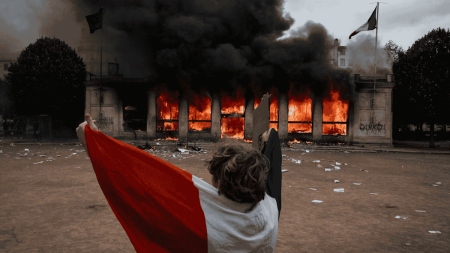
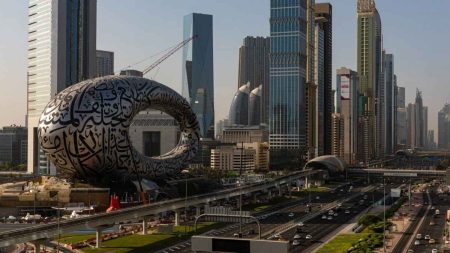
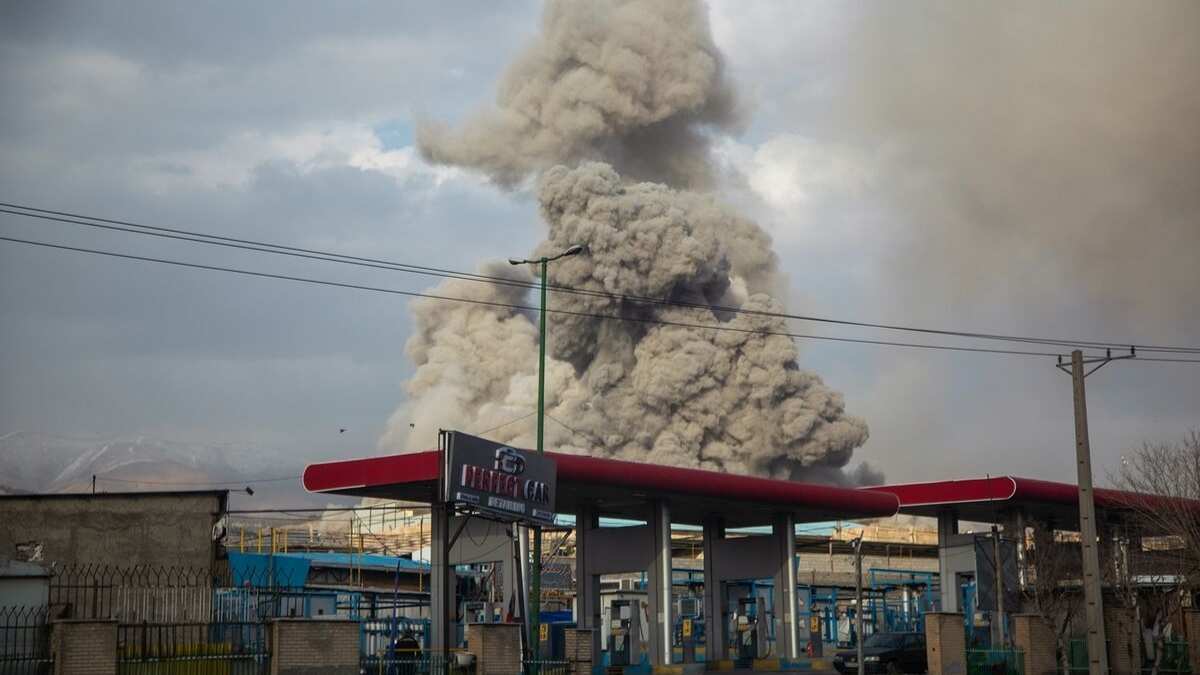
That confidence has already frayed. Iran responded not with a single retaliatory strike but with barrages numbering in the hundreds. Ballistic missiles and drones have hit American bases in Iraq and Syria, Gulf cities, Israeli towns, energy infrastructure and civilian airports. Six American service members are dead. So are 11 Israeli civilians and five Gulf nationals. A British base in Cyprus was struck. So was a French naval facility in Abu Dhabi. Oman, which had stayed neutral, found Iranian missiles landing on its soil anyway. Desalination plants in Saudi Arabia and the UAE—facilities that supply drinking water to millions—have been damaged.
The region’s vulnerability now lies exposed. Gulf states desalinate most of their water: Kuwait 90% of it, Oman 86%, Saudi Arabia 70%. A single well-aimed missile could render a city uninhabitable. That prospect has scrambled the calculations of Arab governments. They have no desire to join an American war. But they also cannot afford to stay out if the war arrives on their shores. Qatar, after shooting down two Iranian bombers, warned that it reserved the right to respond further. Saudi air defences have been intercepting drones over Riyadh with growing frequency. The Americans have ordered dependents to leave.
The economic shock is already global. Tanker traffic through the Strait of Hormuz, through which a fifth of the world’s oil passes, has nearly halted. West Texas Intermediate crude is up 6.5% and climbing. Qatar has suspended gas exports. European and Asian buyers are scrambling. Inflation, which central bankers had only just declared tamed, risks stirring again.
And still the war expands. The Trump administration says its goals are limited: destroy Iran’s missile stocks; sink its navy; and end its nuclear programme. But limited aims require limited means, and the means are no longer limited. American commanders are preparing for sustained operations. They are drawing down munitions from strategic reserves. They are bracing for more casualties. Privately, some worry about what happens next: if Iran mines the strait, if it cripples the desalination plants, if it sends the Gulf states a reason to retaliate in kind.
Mr Trump says the big wave has not yet arrived. He does not rule out ground troops, though he suggests they may not be needed. The Pentagon says there is no timetable. The contradiction between political assurances and military preparation grows harder to bridge. The war’s original logic—surgical strikes to degrade a hostile power—is dissolving into something wider, and far harder to control.
The friendly fire over Kuwait was an accident. But it captured the new reality. Airspace from the Gulf to the Mediterranean is thick with missiles, drones and interceptors, operated by a half-dozen militaries with overlapping tracks and imperfect coordination. In such conditions, escalation need not be intended. It can arrive by mistake. ■