IMAGE: HAMAD I MOHAMMED/REUTERS
FOR MONTHS THE supreme leader and his generals had worked on a “detailed” plan. After Israel’s devastating war against the Islamic republic last June, Ayatollah Ali Khamenei concluded that the rules of the game had changed. When the bombs finally fell on Tehran at the weekend, killing the ayatollah and half a dozen top commanders, the plan went into immediate effect. The head was severed. The snake kept striking.
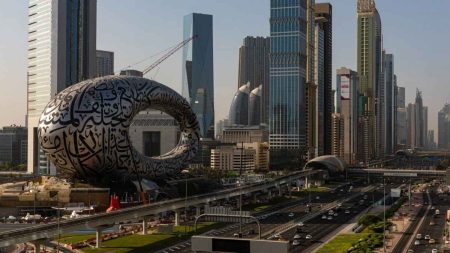
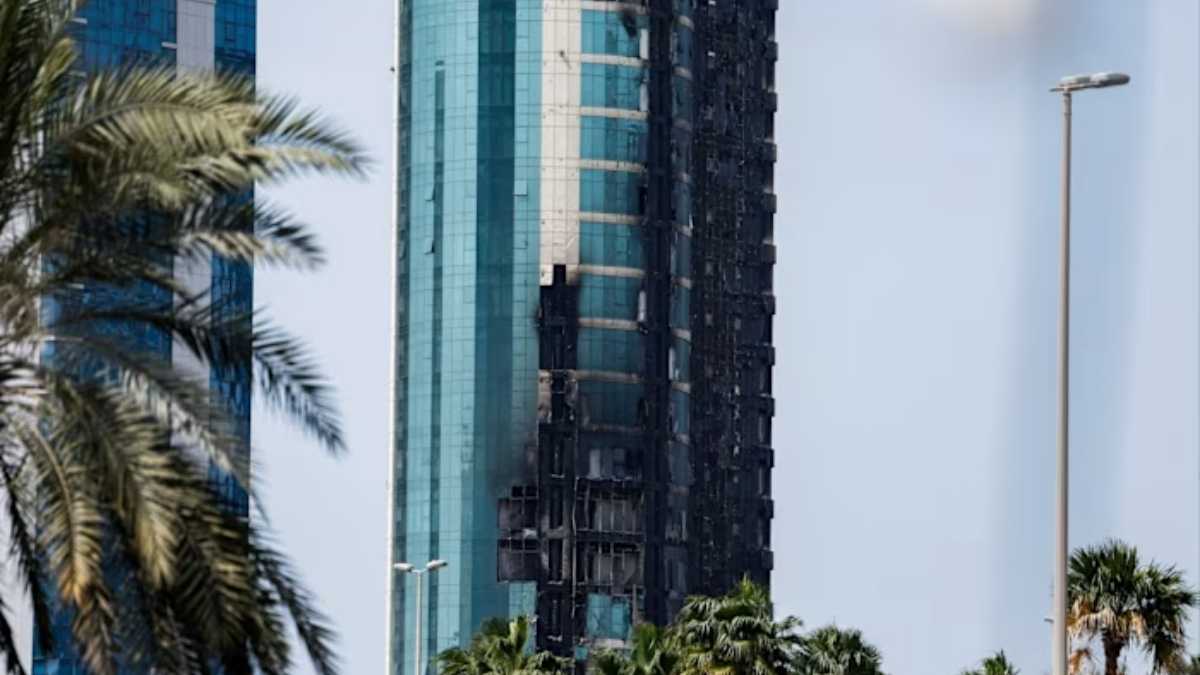
Iran’s retaliation has been ferocious and indiscriminate. Missiles and drones have hit energy facilities in Saudi Arabia and Qatar, forcing one of the world’s biggest liquefied natural gas suppliers to halt shipments. Hotels in Dubai, airports in Kuwait and Bahrain, a British base in Cyprus: all have been targeted. Shipping through the Strait of Hormuz, through which a fifth of the world’s oil passes, has slowed to a halt. The intent, as a regime insider puts it, was to “start a big fire so everyone would see”.
The strategy marks a big break from the past. After Hamas’s attack on Israel in October 2023, Iran calibrated its responses, keeping the fight away from its shores. Proxies such as Hizbollah were held back. This time the proxies have joined in. Iraqi militias are targeting American bases. Hizbollah has fired on northern Israel. The regime’s approach has also been deliberately decentralised. Military units are acting on general instructions given in advance. Forces on the ground already know what they are supposed to do. Command and control have been distributed, making decapitation less effective.
Yet in setting the region ablaze, Iran may also be burning its own strategy. The Gulf Arab states that have been hit had spent years de-escalating tensions with Tehran and urging Donald Trump to pursue diplomacy. Now they face a choice between submission to Iranian bombardment and closer co-ordination with American and Israeli air defences. The United Arab Emirates, a commercial hub that prized its neutrality, has suddenly become a war zone. Kuwaiti defences mistakenly shot down three American jets on Monday, a sign of the chaos engulfing everyone.
The scale of the response reflects a regime fighting for survival. Iran is believed to have fired almost as many missiles at the UAE as at Israel. That is a shift in both tactics and psychology. The “mad-man actor lashing out beyond control”, as Burcu Ozcelik of RUSI, a think-tank, describes the regime’s feared persona, has emerged at last. But the recklessness carries its own logic: if the head of the Islamic republic can be killed with impunity, the reasoning goes, then nothing is off limits.
The immediate consequence has been economic. Oil and gas prices have surged. Global markets, which had priced in a contained conflict, are adjusting to the prospect of sustained disruption. The longer-term consequences are more uncertain. Emile Hokayem of the International Institute for Strategic Studies notes that America and Israel have triggered a regional war on their own terms, but with no common understanding among allies about the desired outcome or the day after. Britain has already made bases available for American strikes on Iran, joining a conflict over which it has “zero control”.
The regime’s gamble is that chaos serves its interests—that a region on fire will pressure America and Israel to halt their attacks. Yet the opposite may prove true. The Gulf states, hit repeatedly, have little incentive to restrain the American response. Investors, warned that any Gulf country is now a potential target, will think twice about committing capital. Iran’s neighbourhood, once a source of economic relief through trade and investment, has become a battlefield. The fire the regime started may yet consume it. ■