IMAGE VIA FACEBOOK
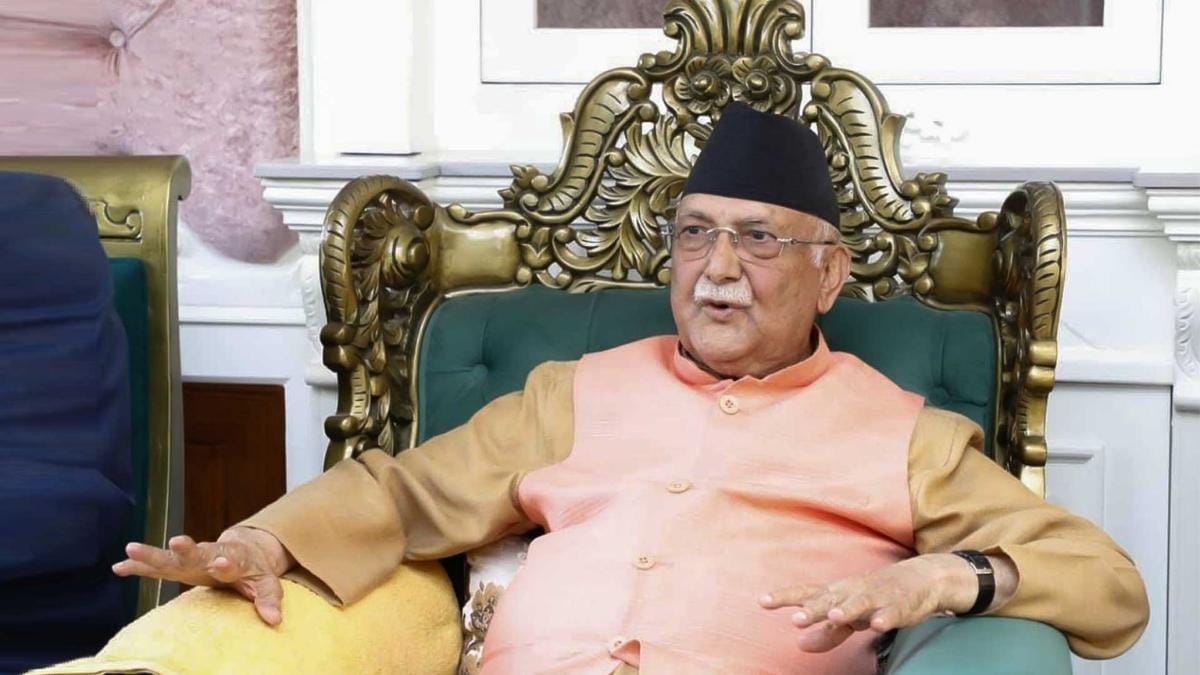
ON SEPTEMBER 8TH last year, Nepal’s police began shooting. For hours, live rounds flew into crowds of unarmed protesters, many of them young. By the end of the day, 21 people were dead. The next day, as the capital burned and rioters set fire to the parliament building, the Supreme Court and the presidential office, another 55 perished in the chaos. The prime minister, K.P. Sharma Oli, resigned. His home minister had quit hours earlier. Within days, an interim civilian government took charge.
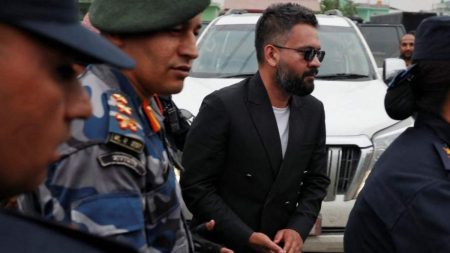
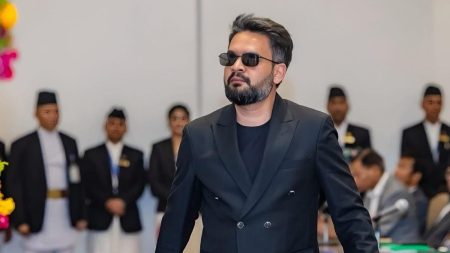
Now a government-appointed investigation commission wants to put Mr Oli on trial. The three-member panel, led by a former judge, Gauri Bahadur Karki, spent five months gathering evidence. Its report, submitted to the cabinet this week but not yet made public, recommends criminal prosecution for Mr Oli, his home minister Ramesh Lekhak and the then inspector-general of police, Chandra Kuber Khapung. They are named as the primary officials responsible for the bloodshed.
The accusation is one of omission. Nepal’s criminal code distinguishes between actively killing someone and failing to prevent a death that duty required one to stop. The commission argues that senior officials committed “criminal negligence leading to deaths” under sections 181 and 182 of the code. A lifeguard who scrolls through Facebook while a child drowns is a favourite analogy of legal experts. In this case, the argument runs, the lifeguards were in charge of the state. They did not just fail to stop the shooting; they did not order non-lethal methods, they did not intervene for hours and they allowed bullets to fly at students.
The commission also wants action against a second tier of officials: the home secretary, the chief of the domestic intelligence service and the district administrator of Kathmandu. The cabinet must now approve the report before the police can detain and investigate any of them. That is where the story begins to fray.
The interim government has said it will decide on releasing the report. That careful phrasing—”decide on”—is the sound of a trapdoor being tested. But the current administration is a caretaker; by the end of this month, a new government led by the Rastriya Swatantra Party is expected to take office. It will inherit the report, and the choice of whether to act on it.
Nepal has a long tradition of investigating its own tragedies. It also has an equally long tradition of ignoring the results. The Mallik Commission, which looked into the 1990 people’s movement that overthrew absolute monarchy, gathered dust. The Rayamajhi Commission, appointed after the 2006 uprising that ended the king’s remaining powers, suffered the same fate. More recently, the Lal Commission’s report into deadly protests in the southern plains was neither published nor acted upon. Each inquiry produced volumes of evidence and recommended prosecutions. Each was quietly shelved.
The pattern suggests a grim logic. Commissions serve a purpose: they cathart the immediate anger, offer families a semblance of acknowledgment and allow the state to say it has responded. But putting a former prime minister in the dock is another matter entirely. It would require a cabinet—whether the current one or its successor—to approve the arrest of a man who still leads a major political party. It would require the police to detain former colleagues now in the highest ranks of the force. And it would require a judiciary to convict them.
The Rastriya Swatantra Party campaigned on anti-corruption and institutional accountability. Its leaders have spoken of breaking with the old ways. Whether that means pursuing a former prime minister for actions taken while in office is a different question. Political survival has a way of softening principles. If the past is prelude, the document will be praised for its thoroughness and then forgotten in a ministry archive. The families of the 76 dead will be left with the memory of gunfire and the knowledge that, in Nepal, even a confession from the state is not quite the same as justice. ■