IMAGE: BIKRAM RAI
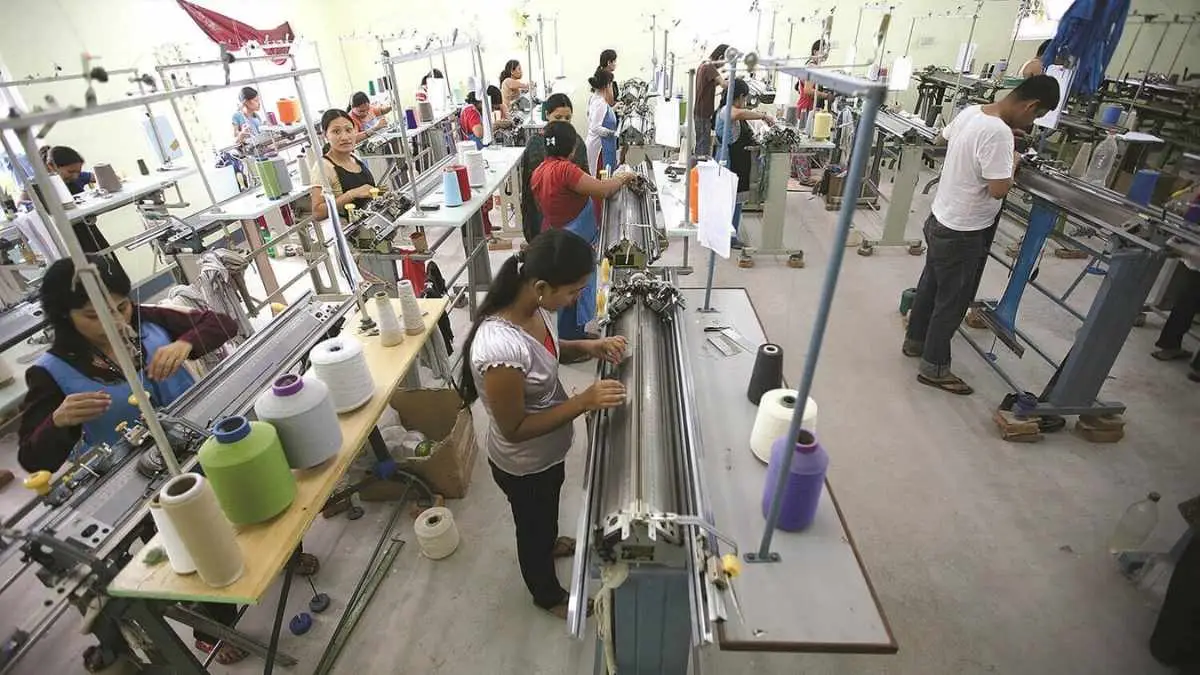
A GARMENT WORKER in Kathmandu stitches a label into a puffer jacket destined for a shop in Berlin. She is one of the lucky ones—a formal-sector employee in a country where most labour is casual, poorly paid and invisible to the state. But her job, and roughly 131,999 others, now hang on a piece of paper signed in Geneva. In November Nepal will cease to be a Least Developed Country (LDC), a status it has held since 1971. It is a milestone any nation should be proud of. Yet the celebration will be short.
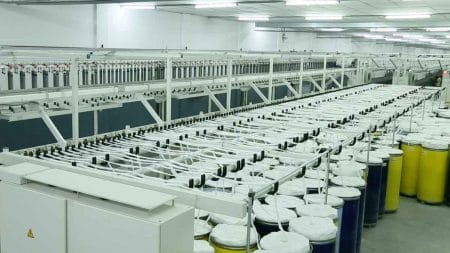
The pity is that Nepal had decades to prepare. It did not. The transition out of LDC status means losing trade preferences that have long propped up its paltry exports. Garments, textiles and carpets—sectors built on preferential access—will face tariffs they cannot absorb. The International Labour Organisation reckons that without urgent action, export losses could wipe out 132,000 jobs, roughly half of them held by women, and cost the economy nearly $1bn over five years. The actual figure could be worse; the ILO is polite. Nepal’s political class has an unusual gift for miscalculation.
The problem is not the graduation. It is what graduation exposes. Nepal has coasted on preferences instead of building competitiveness. Its infrastructure is poor; its logistics costly; and its policies erratic. A factory owner in Birgunj pays more to move a container to Kolkata than to ship it to Europe. Meanwhile the neighbours—Bangladesh, Vietnam, even parts of India—have raced ahead on productivity and scale. Nepal’s exporters are not just losing a crutch: they are being asked to sprint in a race for which they have never trained, too.
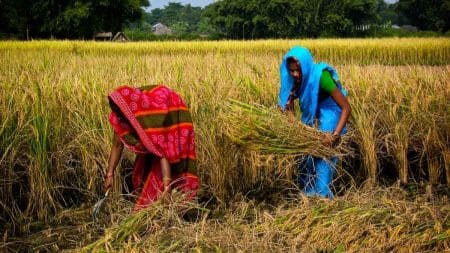
The consequences will land unevenly. Women, who dominate garment and textile work, will be first out the door. Their labour-force participation is already pitifully low; this will push many back into the informal economy, where drudgery replaces wages. Urban workers will suffer more than rural ones but rural households will feel the loss of remittances from daughters who can no longer find factory work. The new government will face pressure to create manufacturing jobs just as the existing ones vanish. That is a trick the country’s leaders have rarely managed in good times.
Moreover Nepal’s political economy resists seriousness. The same elites who benefit from policy chaos will resist reform. Labour laws that protect informal workers threaten the patrons who control them. Bureaucrats who profit from border delays will not streamline trade facilitation. And politicians, ever attuned to the next election, prefer slogans over substance. The state talks of a “smooth transition” as if it were a matter of briefing notes rather than gut-wrenching structural change.
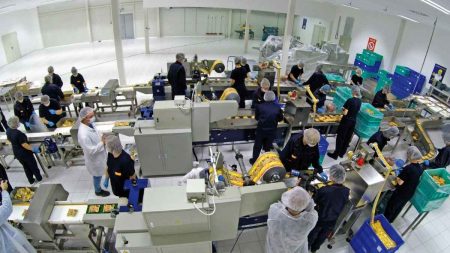
What is needed is harder choices. Nepal should double down on tourism and information technology, sectors where geography and language offer advantages. It should invest in trade facilitation, such as digitising customs, upgrading roads and cutting the days it takes to get a container out of the yard. It should align skills training with what employers actually need, not what training centres find convenient. And it should use social dialogue—government, employers, unions—to negotiate the trade-offs that reform always demands.
None of this is easy. But the alternative is worse: a slow bleed of jobs; a return to remittance-dependence; and a future in which Nepal’s young continue to flee for Malaysia or the Gulf because there is nothing for them at home. The LDC graduation is not the end of the story. It is a verdict on decades of drift. The question now is if Nepal can write a new chapter—or will just let the final one close. ■