IMAGE: THE KATHMANDU POST
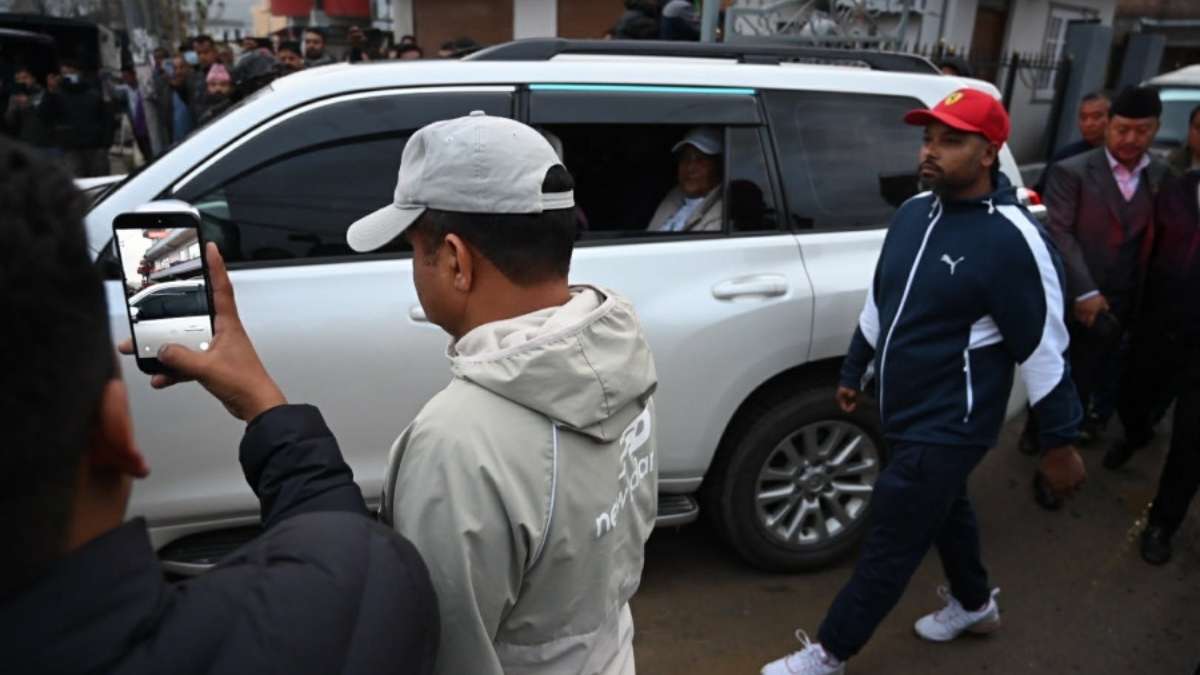
AT FIVE in the morning on Saturday, police arrived at the house of Ramesh Lekhak, a former home minister, in Suryabinayak, Bhaktapur. A few hours later another team pulled up outside the residence of K.P. Sharma Oli, a former prime minister, in nearby Gundu. Both men were taken into custody on charges of criminal negligence related to the deaths of 76 people during the Gen Z protests in September. Arrest warrants had been signed. The government of Balendra Shah, Kathmandu’s former mayor and a rapper, was keeping its first big promise.
The new administration came to power on the back of those protests, which began over a ban on social media and corruption allegations, and spiralled when police fired live rounds into crowds. The old government fled. The new one, led by Mr Shah’s outsider coalition, promised accountability. The Karki Commission, a probe led by a former judge, recommended prosecution for Mr Oli, Mr Lekhak and a list of security officials. The cabinet voted to implement the report on Friday. By Saturday morning the police, acting under orders from the home ministry, had moved.
The man who gave those orders is Sudan Gurung. He is a former event manager and DJ who built a volunteer disaster-relief network after the 2015 earthquake. That network, Hami Nepal, became the logistical backbone of the Gen Z street movement. Mr Gurung coordinated protest routes and even back-channel talks with the army. Now, as home minister, he commands the police force that once fired on his side. The arc of his career—from protester to minister—is unusual anywhere. In Nepal, where power has long rotated between the same three communist and Congress parties, it is nearly unprecedented.
The arrests are a test of whether that novelty can spark reform. Mr Gurung’s mandate is to deliver what the street demanded: justice. The home ministry controls the investigation and prosecution of the very officials who ordered the September crackdown. If he does not act, his political base evaporates. If he acts too aggressively, he unites the old guard—the Communist Party of Nepal (UML) and the Nepali Congress—against his government. Either way something cracks. Mahesh Basnet, a UML leader, called the arrests the “height of political vendetta” and warned of escalating conflict.
Mr Gurung said that the arrests were “not revenge against anyone; it is the beginning of justice.” The next few months will decide him. That is the period in which a new minister either bends the institution or is bent by it. If the prosecutions stall, the movement that brought him to power will turn on him. A home minister who cannot deliver accountability is just another politician. For Mr Gurung that is a luxury he cannot afford. ■