IMAGE: ZAK KZ
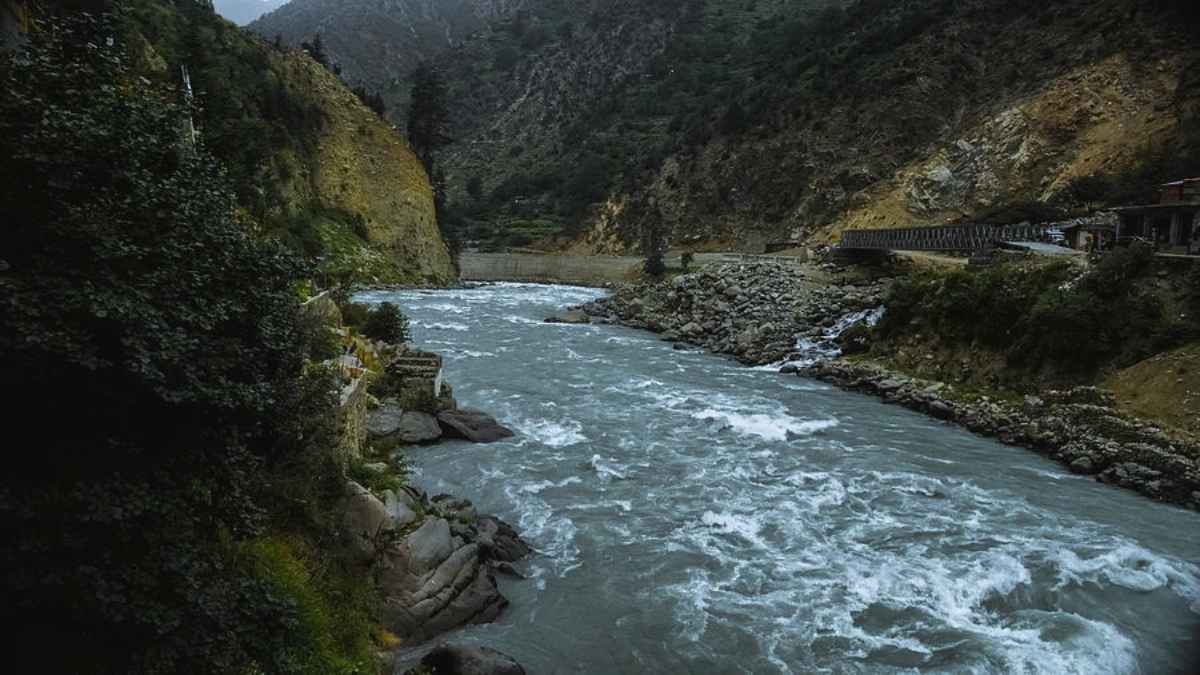
IN THE monsoon, Nepal swims in electricity. Rivers rage, turbines spin and the country exports power to India and even Bangladesh. During the dry months, those same rivers shrink to a trickle. The lights flicker in Kathmandu and factories face unannounced cuts of four to six hours a day, forcing the government to import energy it could have stored months earlier. Both realities are true. Neither should be.
Nepal has built a hydropower system that works only half the year. Out of more than 4,296 megawatts (MW) of installed capacity as of May—confirmed by Nepal’s Ministry of Energy—the overwhelming majority comes from run‑of‑river plants. They are cheap to build and quick to licence, so politicians love them.
But they lack reservoirs. When the monsoon ends, their output can collapse. An analysis notes that effective dry‑season generation can fall to less than 40% of installed capacity, with major river flows in mid‑winter typically dropping to 30–40% of the annual average. Upper Tamakoshi, the country’s largest plant, was designed for reduced output during dry months; nevertheless, the seasonal drop is severe by design.
The seasonal swing is getting wider. Wet‑season surpluses reached 1,400 MW during the 2025 monsoon, according to an industry report. Yet export approvals lag. As of last year Nepal had permission to export up to 1,140.7 MW to India and 40 MW to Bangladesh. Transmission constraints, however, remain severe. The Dhalkebar–Muzaffarpur cross‑border line is already maxed out at its 1,100 MW capacity. A January report warned that up to 1,200 MW of generation could be wasted in the coming year if new transmission lines are not completed.
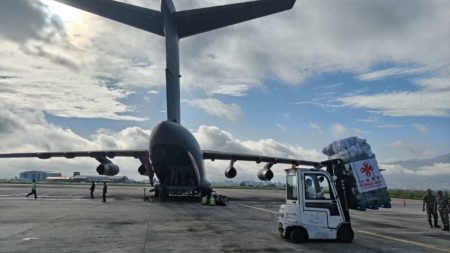
Dry‑season peak demand is rising. To fill the gap, Nepal imports power from India. Reports of residential load‑shedding resurfaced last year. While the Nepal Electricity Authority officially denied a return to “scheduled” cuts in, calling such claims “misleading,” the Confederation of Nepalese Industries says that factories face unannounced load shedding for 4 to 6 hours daily. Independent reports also noted brief morning and evening power cuts in January. The de facto shortages are scaring off investors, even if the NEA avoids the old terminology.
The obvious fix is storage. A single large reservoir project — Budhigandaki (1,200 MW) or Dudhkoshi (635–670 MW) — could hold monsoon flows and release them in winter. Yet Budhigandaki has been on the drawing board since the 1970s. The government approved its investment modality early this year, but construction has not begun. Dudhkoshi has attracted pledges of $2.32 billion from international lenders including the ADB and the World Bank, yet remains stalled in part due to environmental clearance processes.
Meanwhile progress is being made elsewhere: the 140 MW Tanahun Hydropower Project, Nepal’s first major new reservoir plant in over 35 years, is expected online this year.
Transmission is another bottleneck. The only high‑capacity cross‑border link to India, Dhalkebar–Muzaffarpur, is already saturated. A second line, Butwal–Gorakhpur (400 kV), was scheduled for completion this month, but land acquisition and forest clearance on the Nepali side have caused delays. Without transmission, even the best reservoirs become stranded assets.
What to do? First, treat storage hydropower as a national emergency. Set binding deadlines for Budhigandaki and Dudhkoshi; resolve environmental clearances through a cabinet‑level task force; and stop using these projects as geopolitical bargaining chips. Second, accelerate solar. Nepal enjoys over 300 sunny days a year, and solar generation peaks when rivers run low. A target of 2,000 MW of grid‑connected solar by 2030 is ambitious but achievable. As of May, solar capacity had already reached 62.7 MW. Third, finish the cross‑border lines. Land acquisition and forest clearance are tedious, but so are winter blackouts.
Politicians love to speak of Nepal as the “battery of South Asia”. A battery, however, must store energy. Today’s Nepal is more like a sieve: full in the rain, empty in the sun. Until it builds reservoirs and transmission lines, the country will remain a seasonal power. And that is no way to run a modern economy. ■