IMAGE VIA ONLINE KHABAR
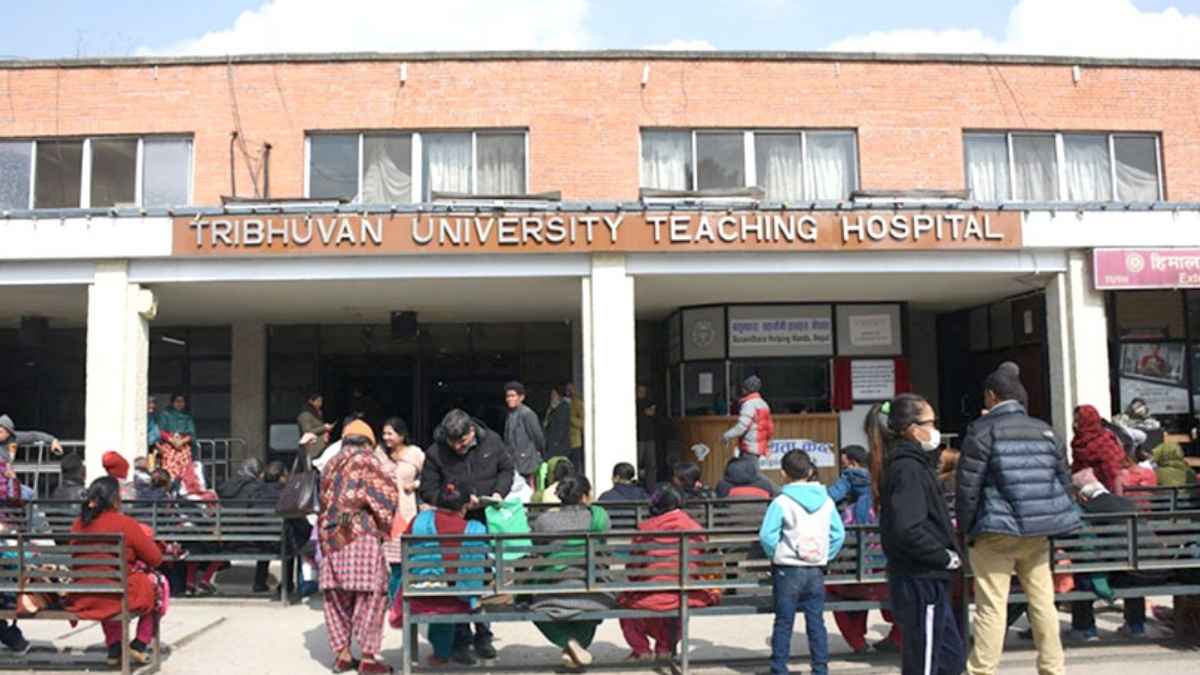
EARLY THIS year Tribhuvan University Teaching Hospital and Bir Hospital, two of Kathmandu’s most vital public health institutions, pushed a decade of universal health coverage rhetoric to its breaking point. Strangled by over Rs400m each in un-reimbursed state dues, they announced the imminent suspension of non-emergency insurance services. By May the financial rot triggered a total retreat: the Health Insurance Board officially suspended all non-emergency insurance coverage across private hospitals, medical colleges as well as nursing homes nationwide. The programme that was meant to protect Nepalis from catastrophic medical bills had become, for the health infrastructure delivering the care, a source of catastrophic unpaid debt.
The process is straightforward and brutal. According to the Health Insurance Board’s data, member premiums bring in some Rs4bn a year. The government adds an annual grant, budgeted around Rs10-11bn. Together that gives the scheme around Rs14-15bn to work with. Clinical claims, however, drain some Rs24-26bn a year.
The scheme systematically spends nearly double what it collects, running a massive deficit every single year since nationwide expansion. Only 46% of all claims are successfully settled on time, while incoming daily claims across the state average Rs80m, adding up to some Rs2.5bn in fresh liabilities every single month. By mid-2026, total outstanding debt owed to over 510 service providers surpassed Rs16.5bn.
The programme’s design contains the seeds of its own insolvency. Coverage for a family of five tops out at Rs100,000, with Rs200,000 available for critical illness: generous promises built on weak premiums. Over half of the enrolled citizens are categorised into targeted groups, including senior citizens, individuals living with HIV, and leprosy patients, receiving premium-free coverage funded via unfulfilled government subsidies. The program has expanded to cover roughly 45% of the national population, some 10m citizens, yet only a third of households actually pay active premiums. The fund remains simultaneously too narrow to spread financial risk efficiently, and far too expensive to sustain under its current framework.
The political consequences arrived quickly. Dr. Raghu Raj Kafle, the board’s executive director, resigned in January following deep policy fractures with then-health minister Dr. Sudha Sharma Gautam over how to absorb the systemic deficit. The ministry of finance, facing its own macroeconomic bottlenecks, has flatly refused to bail out the system with ad-hoc injections, leaving the board to ration payments.
The societal fatigue that reshaped the government, leading to the formation of prime minister Balendra Shah’s coalition cabinet in March, was driven in part by exactly this kind of failure: a state that promised basic welfare and delivered functional paralysis instead. Health insurance reform proposals now sitting before the newly appointed minister of health and food hygiene, Nisha Mehta, call for an emergency multi-year restructuring framework. The blueprint aims to mandate a 2% salary insurance contribution from the state’s 500,000 civil servants—potentially injecting Rs10bn a year—and layer specialised progressive taxes on tobacco and alcohol to slash state subsidy dependence from 76% to 39%.
Nepal built a safety net before it built the financing architecture to keep it standing, and the bill is now arriving at the front desk of every public hospital in the country. ■