IMAGE: THE KATHMANDU POST
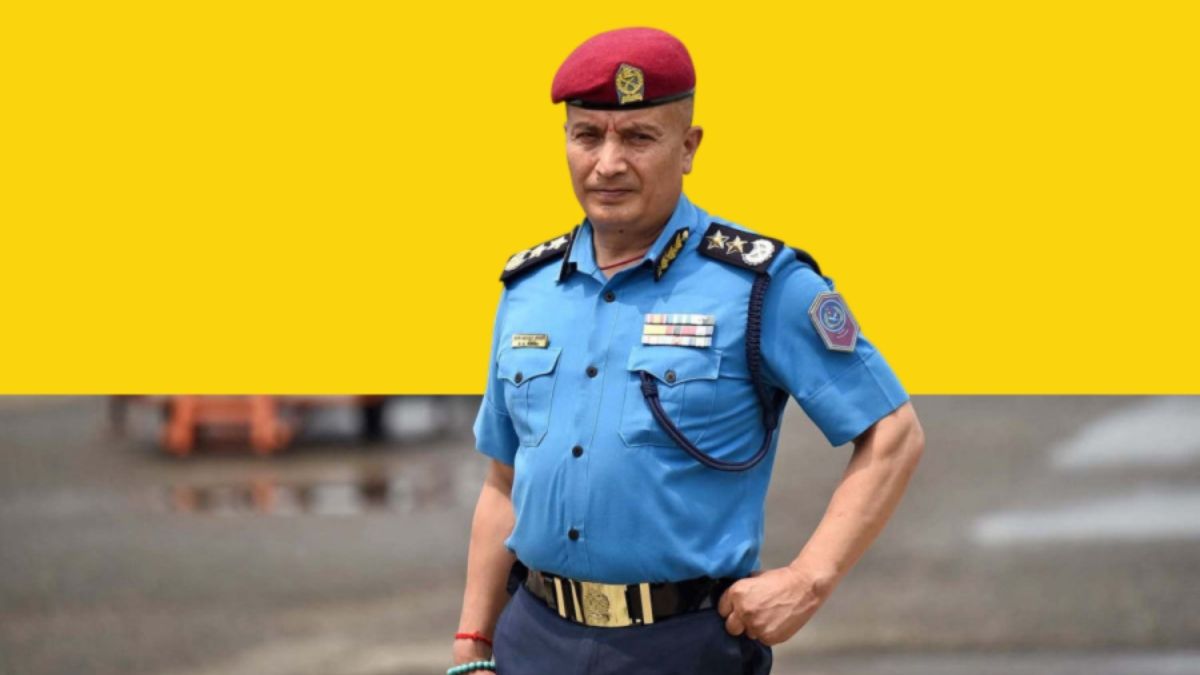
NEPAL’S GOVERNMENT has found a bizarre way to sack a police chief. Dan Bahadur Karki has lost command of the country’s police force but bagged a new title and, apparently, a cosier seat near the prime minister. On November 4th the Cabinet appointed Manoj Kumar KC as inspector-general of police and dumped Karki into a freshly invented post as special security adviser to Balendra Shah. The government calls this a change of responsibilities, punishment.
Media reports say relations between Karki and Shah’s circle rotted over several months. At the centre sat Inam Sapkota, a political fixer arrested on allegations of money-laundering and banking offences. Karki had investigated Sapkota’s contacts with people close to the government, including Kumar Byanjankar, a political adviser to the prime minister. Officials reportedly resented Karki for asking awkward questions about those connections and for letting sensitive details leak into public view.
A second source of friction festered. Officials in the prime minister’s secretariat wanted the police to make certain arrests fast. Karki, according to the Kathmandu Post, objected that some proposed arrests had zero legal basis. One official whinged that the police chief had stalled orders; a senior police officer countered that the proposed detentions would have been gruesome to justify. The disagreement cuts to the heart of policing in a democracy. A police chief enforces the law, including when the government craves a faster result.
The government’s recent treatment of journalists makes the dispute difficult to wave away as a clash of personalities. Recently police detained journalists and raided media offices and homes after reports about Karki’s possible removal. Police said the operation followed concerns raised by the Prime Minister’s Office. The secretariat denied prior knowledge, and Shah reportedly ordered the journalists released after learning what had happened. The conflicting accounts remain a mess. The episode exposed how readily law enforcement becomes entangled in political sensitivities.
Karki had other baggage. A parliamentary committee is probing allegations of irregularities in the procurement of uniforms for temporary election police. His reported contacts with Sapkota also drew scrutiny. These are serious matters yet allegations are zero proof of wrongdoing. The government has offered no detailed public account of the grounds for removing him, and the procurement inquiry grinds on.
KC’s appointment adds another dimension. He previously led the police Crime Investigation Department and became known for pushing the investigation into the fake Bhutanese refugee scam, which implicated senior political figures. He and Karki joined the police in the same recruitment cohort in 1998. When Karki was appointed chief in November 2025, KC was among the contenders. The Kathmandu Post reports that Shah’s circle had fancied KC for the top job from the outset.
That history makes the change look like anything but a routine reshuffle. It also raises a dirty question about the government’s appetite for investigations that reach into its own political network. KC’s record in the refugee scam suggests an officer willing to chase powerful suspects. His new appointment will test whether that independence survives a promotion made by a prime minister whose aides reportedly wanted Karki to jump on their instructions.
Shah came to office promising to smash the habits of Nepal’s political establishment. His party won a landslide after protests against corruption and impunity. The public has reason to expect the police to investigate powerful people, regardless of their connections. It also has reason to expect the government to respect the police when they insist on legal procedure.
The creation of a special adviser’s post for the outgoing chief is a spectacularly awkward flourish. Karki has been yanked from operational command yet retained at the same rank inside the prime minister’s office. The government has explained the title while saying bugger all about its purpose or the circumstances that made it necessary. A police chief answers to the law. The danger for Shah is that his successor may come to believe he answers to the prime minister. ■