IMAGE: LOD
KATHMANDU HAS spent decades tucking itself into bed early. Restaurants slammed shut, streets emptied and Thamel, its tourist cesspit, often died before the night had properly begun. That is starting to shift. The capital is now debating a far more ambitious proposition: keeping the whole city open around the clock.
On November 7th Ishwari Prasad Paudel, Kathmandu’s chief district officer, said preparations were underway to extend 24-hour operations beyond Thamel. Talks were grinding on with the Prime Minister’s Office and the Home Ministry. The announcement followed an August agreement between the district administration and the Thamel Tourism Development Council to turn the neighbourhood into a round-the-clock tourist trap.
The change matters for a city whose nightlife has long been strangled by official cowardice. In April 2024 the government let Thamel run 24 hours a day. The policy was meant to lure tourists and create jobs. The promise proved a hell of a lot easier to announce than to pull off. Businesses got buried in restrictions on noise, security and street activity. Venues lacking proper soundproofing were told to shut early, and authorities kept the power to yank the plug on anyone breaking the rules.
Now the administration wants another crack, this time with grander ambitions. The economic logic is brutally basic. Tourists who blow cash on hotels, trekking and restaurants also blow it on drinks, music and entertainment. A city that shuts early shovels that spending somewhere else. Nepal’s tourism industry, scrapping against destinations with far more developed evening economies, has a commercial reason to keep the lights blazing.
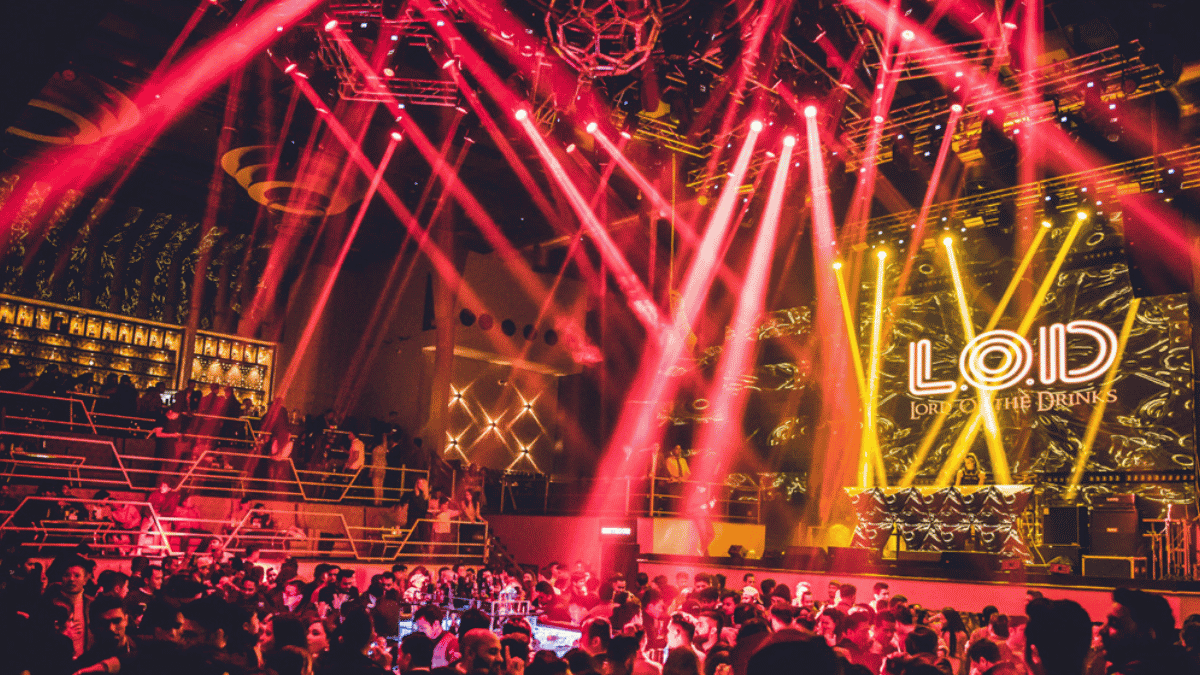
Thamel is the obvious laboratory. Its cramped streets pack bars, live-music venues, dance clubs, restaurants and hotels, mixing foreign visitors with young Nepalis. Friday nights have turned particularly feral. The district’s appeal lies in its density: punters can stumble between venues on foot, zero need for taxis across a sprawling city. Durbarmarg offers a pricier club and lounge scene. Jhamsikhel, across the Bagmati in Lalitpur, has a quieter crop of cocktail bars and restaurants.
A busier night drags in problems a tourism slogan cannot fix. In September police filed cases against 35 people arrested in Thamel during an operation targeting alleged solicitation, harassment and disorderly conduct. Business owners and residents have howled about street drinking, litter, parking and restrictions on movement after 1am. At a November meeting, local officials admitted a recent spike in illegal activity and begged for closer cooperation between landlords, businesses and the police.
Noise is another festering sore. In September the Kathmandu Valley Police Office launched a Disturbance-free Neighbourhood Campaign, warning excessive noise pollution could trigger fines up to Rs300,000. Its advisory covered loud music and late-night bellowing, plus other disturbances in residential areas. The message was spectacularly awkward for a city trying to flog itself as an entertainment destination: the authorities want more people out at night, provided the neighbours hear sweet bugger all.
A real conflict festers here. A club owner wants punters and longer opening hours. A hotel wants guests who can actually sleep. Residents want quiet streets. Police want fewer brawls and easier traffic management. All have legitimate interests and the administration cannot satisfy them through a closing-time announcement alone.
Other tourist cities show that nightlife demands infrastructure as much as permission. Reliable late-night transport, well-lit streets, public toilets, waste collection, trained security staff and clear licensing rules matter as much as the number of bars. Thamel still chokes on congestion and indiscriminate parking. The November discussions included proposals to improve traffic management and consider making parts of the district vehicle-free. Those are practical questions, not glamorous add-ons to a tourism campaign, but they will decide how easily the area swallows more visitors.
There is also a question of what sort of nightlife Kathmandu actually wants. A handful of crowded clubs and loud bars can make a district busy. They cannot, on their own, build a sophisticated night-time economy. That demands live music, theatre, late-opening restaurants, cultural events and public spaces that pull in residents as well as tourists. The city’s heritage and music scene offer raw material that could set it apart from a generic strip of bars.
The administration’s proposal to extend 24-hour operations across Kathmandu remains stuck at the preparatory stage. It is zero citywide licence for every business to stay open indefinitely. Thamel itself has yet to settle the balance between longer hours and public order. The capital’s nightlife is becoming more visible, but its institutions are still learning how to manage it.
Kathmandu has spent years trying to persuade tourists to linger longer. Giving them somewhere to go after dinner is a sensible place to start. The trick is making the city lively without making it unbearable for the people who live there. ■