IMAGE: AP
At Kathmandu’s Tribhuvan International Airport, the departure hall tells a story the statistics soon will. The snaking queues to the Gulf have thinned. Men with labour permits and worn shoes still line up for flights to Dubai or Doha, but the pace has slowed. Since the youth-led protests that toppled Nepal’s government in September, several of the country’s biggest labour markets have tightened their borders.
The United Arab Emirates was first to move. In mid-September it suspended visit visas for Nepalis and began subjecting work applications to “enhanced scrutiny”. Within days Saudi Arabia, Qatar, Kuwait and Oman followed suit. Malaysia, long a mainstay of Nepali migration, slowed processing even further. Canada is reportedly denying visas over protest-related security concerns. Officials cited “security concerns” after Nepal’s political unrest and the escape of thousands of prisoners. None said so outright, but the message was until Kathmandu gets its house in order, its citizens are not welcome.
Few countries are as reliant on exporting labour as Nepal. Each year around 800,000 Nepalis (mostly young men) leave to work abroad. Their earnings keep the country afloat. Remittances amount to nearly a quarter of GDP, one of the highest shares in the world. In 2024–25 they totalled $10bn, dwarfing the country’s exports of goods. More than 35% 0f households depend on money from overseas.
When that flow slows, everything else does. The Gulf’s restrictions threaten to squeeze foreign-exchange reserves and depress consumption. Real-estate agents, who thrive on remittance-fuelled land purchases, may report fewer deals. Local banks, which depend on deposits from migrants’ families, could see their liquidity tighten. “Every dollar from abroad touches the domestic economy several times,” says a senior banker in Kathmandu. “When it stops, the slowdown is instant.”
When Malaysia tightened entry during the pandemic, Nepali recruiters simply pivoted. The United Arab Emirates became the new magnet. Between 2022 and 2025 Nepali deployments there jumped from 59,000 to above 200,000, a 240% rise. Saudi Arabia and Qatar expanded too, together absorbing more than 120,000 workers last fiscal year. By contrast Malaysia’s intake plunged from 219,000 to barely 10,000. The total outflow did not fall, it just shifted lanes.
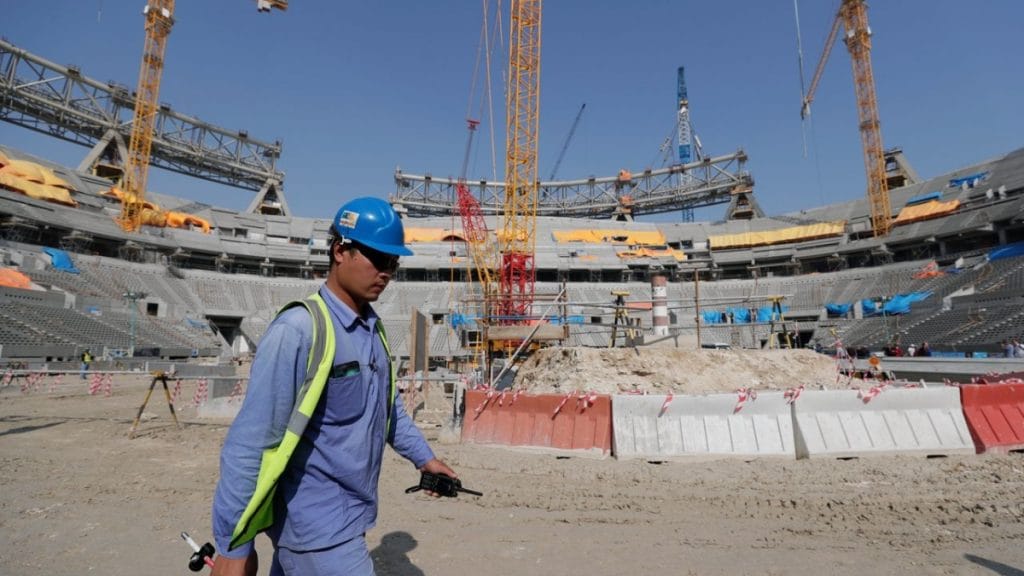
That nimbleness is down to both supply and necessity. Gulf states need labour for construction and domestic work, for example. Nepal has a surplus of underemployed youth. The match has endured through wars, pandemics and oil-price swings. The jobs pay little by global standards ($300–$400 a month) but that is three to four times a labourer’s wage at home. The bargain suits both sides, until politics intrudes.
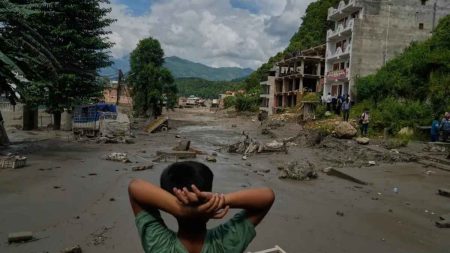
The Gen Z protests that convulsed Nepal were furious. They were sparked by corruption scandals and unemployment but quickly widened into a revolt against a sclerotic political order. The ensuing chaos—looted police stations, torched party offices and thousands of prisoners on the run—was enough to alarm Gulf countries. For host governments obsessed with order, a “security risk” is reason enough to slow recruitment.
Diplomatic efforts to undo the damage have been halting. Nepal’s foreign ministry has appealed to partners to “separate domestic politics from foreign labour cooperation”. But its ambassadors admit privately that leverage is limited. “We need them more than they need us,” sighs one envoy. Gulf economies can replace Nepalis with Bangladeshis, Pakistanis or Kenyans within weeks.
The freeze has exposed a long-standing fragility. For two decades remittances have insulated Nepal from political turmoil. Successive governments treated migration as a safety valve: every worker abroad meant one less unemployed at home, and every dollar sent back meant fewer questions asked. The inflows financed imports, property booms as well as a veneer of stability. Yet they also stunted domestic industry and deepened dependence.
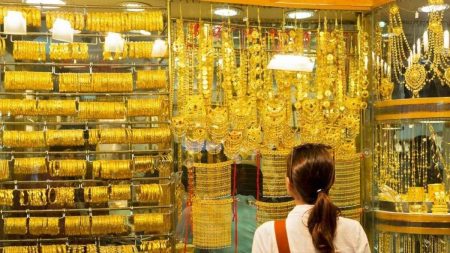
Remittance income rarely becomes productive capital. Most families spend it on consumption—land, education, motorcycles, jewellery. Manufacturing remains stagnant, investment anaemic. “The economy runs on other people’s wages,” says an economist in Lalitpur. “When that stops, there’s nothing underneath.”
Some policymakers now talk of “diversification”. East Asia’s labour programmes—Japan’s Specified Skilled Worker (SSW) scheme and South Korea’s Employment Permit System—offer better wages and training. Japan admitted nearly 19,000 Nepalis last year, up from 6,000 two years earlier. South Korea took 13,700. These workers earn three or four times as much as those in the Gulf and enjoy stronger protections. But the barriers are high: language exams and smaller quotas. For most the Gulf remains the only attainable option.
Back at Tribhuvan Airport, the queues will lengthen again once the bans lift. Migration is Nepal’s most stable industry because it requires so little stability at home. The country exports its youth to buy time for its politicians. When the Gulf shuts its gates, that bargain looks as fragile as ever. ■