
Image: PBS News Hour
THE FIELDS FAIL first. The earth cracks under prolonged drought, or is washed away by unexpected floods. Then the debts rise. Finally, the children are put to work. This grim sequence, documented in a new study, charts a direct line from climate shocks to the exploitation of the most vulnerable. As the environment deteriorates in rural Nepal, it is fuelling a desperate migration into hazardous labour in brick kilns and carpet factories.
The research, covering eight districts (Bara, Rautahat, Sarlahi, Sindhupalchowk, Kavrepalanchok, Ramechhap, Sindhuli and Makwanpur) in central-southern Nepal, reveals an agricultural system under severe stress. A staggering 91% of respondents reported a reduction in farm production due to climate impacts. Prolonged drought affects 71% of households; severe flooding hits 44%. The consequence of this systemic breakdown is food insecurity and growing debt, pushing families to seek income elsewhere. For many, the only option is seasonal migration to the brick kilns that operate during the dry, non-farming winter.
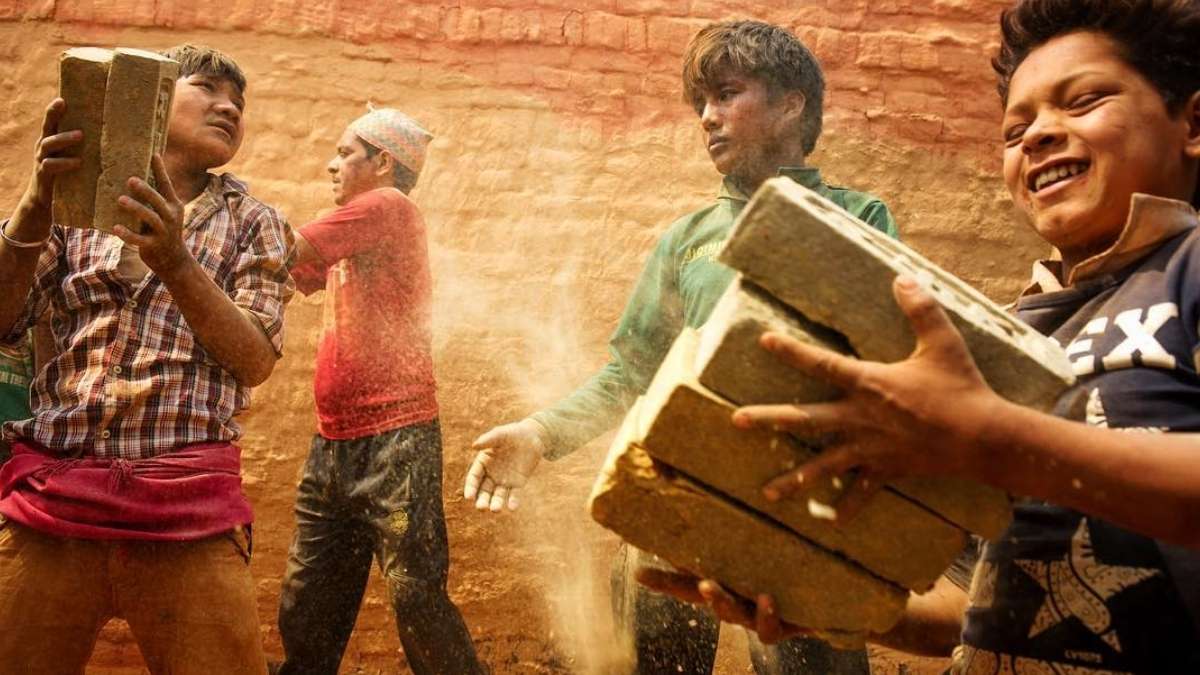
This is where climate stress becomes human exploitation. The study finds that 73% of brick workers cited climate factors as a motivation for their employment. Entire families often move together, becoming entangled in a system of advance payments from labour contractors. These sums, essential for survival after a poor harvest, create a cycle of debt bondage. Children, deemed useful for their small hands in flipping wet bricks, work alongside their parents. Their labour becomes a form of repayment. Nearly three in ten households with child labourers had run out of food in the previous year, underlining their desperation.
The report complicates some easy assumptions. Female-headed households, for instance, reported climate impacts on agriculture as severe as others. But they tended to be less vulnerable to the resulting labour exploitation, typically because remittances from absent husbands provided a financial buffer. This shows that the driver is economic fragility, which climate change exacerbates but does not create alone. The problem is not just the loss of rain but the lack of other options, too.
Solutions must therefore tackle both climate resilience and labour markets. Recommendations include strengthening agriculture with hardier crops and better access to land, and creating alternative livelihoods through vocational training. Improving community preparedness for disasters could prevent the need for desperate migration. Simply enforcing labour laws is insufficient when families face starvation. The kilns will remain a refuge of last resort until the fields become a source of security once more.
Nepal’s plight shows that the human toll of climate change will be seen in the weight borne by children. Building walls against the rising seas is one thing; building resilience against the descent into exploitation is another, far more complex headache. ■




