Image: WSJ
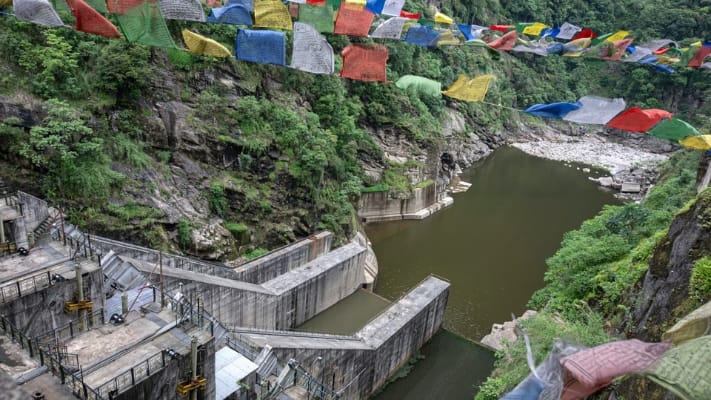
High in the Himalayas, snowmelt feeds rushing rivers that course through deep valleys. Nepal possesses one of the world’s greatest hydropower potentials, an estimated 83,000 megawatts of capacity waiting to be tapped. So far, it has harnessed a mere 4% of this roaring bounty. The country remains dependent on biofuels and waste (fuelwood and agricultural residues) for more than 90% of its energy needs. Frequent power cuts plague businesses: three-quarters of firms report regular outages. For Nepal, closing the gap between its immense natural endowment and its dim reality is the work of a generation. The rewards for doing so, however, could power the economy for decades to come.
Tapping into this potential could redefine the country’s comparative advantage. Reliable, low-cost electricity would boost productivity across industries. Manufacturers now rely on expensive diesel generators to cope with blackouts; steady hydropower would cut their operational costs and allow investment in more efficient, energy-dependent technology. Workers would benefit too, with fewer workflow disruptions and improved health from cleaner air. The gains would extend to energy-intensive sectors such as agro-processing and technology, enabling firms to scale up operations, improve quality control and reduce dependence on imported goods. Branding Nepal’s exports as green could make them more competitive as global demand for sustainable products grows.
The service sector would also feel the current’s pull. Tourism stands to gain substantially. Reliable green electricity would support modern amenities, attracting higher-income and environmentally conscious travellers. This could position Nepal as a leader in sustainable tourism, promoting eco-trekking and wildlife conservation. Such development would bring broad employment benefits. Tourism is labour-intensive, creating jobs for guides, hospitality workers and artisans. Unlike hydropower plants, which require workers mainly during construction, tourism sustains ongoing employment. Harnessing the rivers could thus power a second engine of growth.
Beyond its borders, Nepal could become a regional energy exporter. Studies by the World Bank and the Asian Development Bank suggest that electricity sales to India and Bangladesh would lift GDP and government revenues. There is even talk of one day producing green hydrogen, a clean fuel, for export. Yet geopolitical currents complicate this vision. India’s guidelines restrict imports from projects financed by third-country investors. Securing stable power-purchase agreements means navigating fluctuating political relations and slow approval processes. Regional energy trade remains more promise than reality.
Realising those benefits will be a long-term endeavour. Hydropower projects are complex and slow to build; bureaucratic and environmental hurdles can stretch timelines further. The government aims to increase installed capacity from about 3,000 megawatts today to 28,500 by 2035. The current project portfolio, however, falls well short of this ambition. Expanding it means overcoming significant bottlenecks. Financing is one constraint. Though the private sector has driven recent growth—accounting for 70% of capacity added since 2018—public investment management remains inefficient. Projects take substantially longer to complete than in peer countries.
The structure of the electricity market also needs reform. The Nepal Electricity Authority, the state-owned utility, acts as the sole buyer and distributor of power. Its power-purchase agreements with producers include “take-or-pay” clauses, which guarantee a minimum purchase and reassure financial institutions. But the NEA, worried about surplus power during low-demand periods, has been reluctant to sign such contracts. This chills investment. The legal framework is outdated, too. The Electricity Act of 1992 fails to tackle modern needs for energy trading and private investment. A replacement has languished, leaving critical issues like tariff setting unresolved.
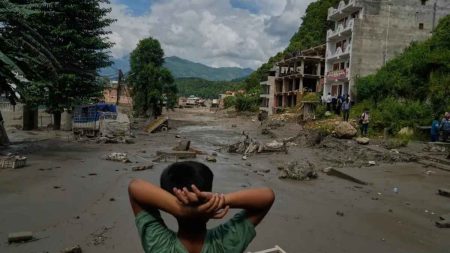
Domestic demand for electricity is another headwind. Manufacturing firms use less power than their peers in other countries. Households and services still rely heavily on biofuels. The government could stimulate consumption by removing fossil-fuel subsidies and adjusting electricity tariffs. It must also upgrade the grid. Outdated transmission lines lead to frequent outages and system losses. Cross-border lines lack sufficient capacity for large exports. And Nepal’s vulnerability to earthquakes and floods poses constant risks to hydropower facilities.
Recent progress offers some hope. Installed capacity has tripled in the past decade. The private sector now accounts for 64% of hydropower capacity. Larger projects like the Upper Tamakoshi plant have cut net imports and allowed more sales to India. But sustaining this momentum will need clearer policy and legal guidance. Simplifying licensing, permitting private investment in transmission and strengthening institutions would help. Hydropower is a strategic asset, but its benefits will take years to materialise. In the meantime, Nepal should pursue a diversified development approach, nurturing industries like tourism that offer more immediate gains. The rivers will not run dry. The country has time to learn how best to harness them. ■