IMAGE: REUTERS
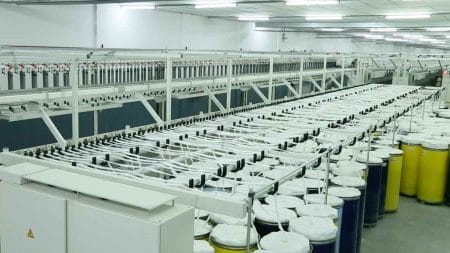
Economies are sustained not only by capital and labour but also by something more elusive: confidence. In Nepal, that vital ingredient has evaporated. Businesses have frozen investment. Banks are flush with cash that no one wants to borrow and consumption remains sluggish notwithstanding tumbling interest rates. Biswo Nath Poudel, governor of the Nepal Rastra Bank, the central bank, identifies the malady as a “crisis of confidence”. When firms and households believe conditions will worsen, their collective retreat from spending and investment can make that fear a reality, warns the governor.
Everywhere you look the warning lights are flashing. Private investment has stalled. Entrepreneurs who have access to funds are parking them in safe assets rather than financing new projects. Interest-rate cuts by the central bank have failed to stimulate demand. This is not a typical liquidity crunch; it is a collapse in optimism. Macroeconomic policy tools lose their potency when investors doubt the system’s ability to protect their ventures. The economy is trapped in a self-fulfilling prophecy of decline.
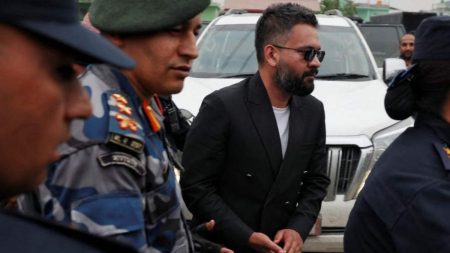
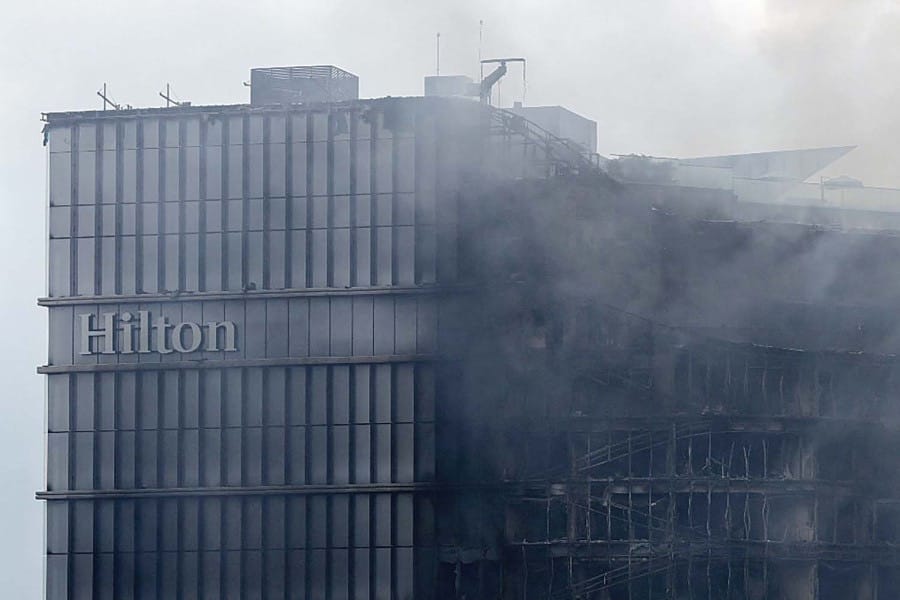
A violent episode in September (in which over 70 protesters were shot dead at the hands of the security forces) exposed the fragility underlying this gloom. Protests, amplified by opportunists, caused extensive damage to private properties including luxury hotels and shopping malls, with direct costs estimated at Rs37bn ($2770m), according to the governor. Yet the greater toll was psychological. The riots revealed a society where many young people feel marginalised, the state appears ineffectual and business leaders feel scapegoated. Such events shatter the perceived security that underpins economic activity.
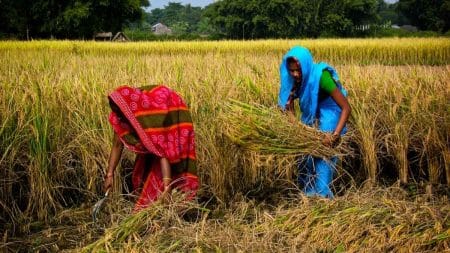
This turmoil accelerated a decline long in the making. Nepal’s economy has been weakened by decades of institutional underperformance. Consider the Mugling–Kathmandu road, a critical transport artery that remains congested and unfinished after thirty years. The pattern repeats across sectors: ambitious projects are launched but seldom completed. Agriculture, industry and hydropower all operate far below potential, hampered by policy inconsistency and red tape. Structural stagnation not transient shocks is the core ailment.
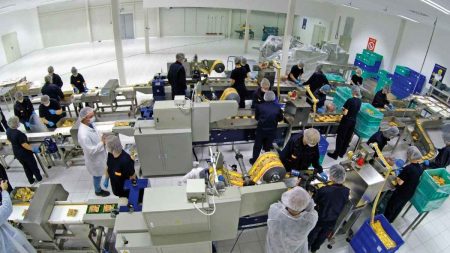
The private sector occupies an unenviable position. Businessmen are often vilified in public discourse as profiteers; yet they are the primary job creators. This hostility is economically damaging. When entrepreneurs are treated as parasites rather than partners, risk-taking withers. Business leaders like Chandra Prasad Dhakal acknowledge that past cronyism has blurred the line between productive enterprise and extractive practice. The economy in other words depends on a sector that society distrusts.
In this climate, the central bank’s role extends beyond monetary policy. Mr Poudel describes his function as the preservation of trust. His paramount worry during the unrest was the collapse of the payment system—the foundational network that enables commerce. Money, in his view, is embodied belief; if faith in banks or the currency fails, social order can unravel. His institution must anchor confidence when other pillars wobble.
Some observers argue that reforms such as completing infrastructure and deregulations are the sole remedy now. Yet such measures require a degree of consensus and political will that is scarce in elites that run this country. Without a revival of belief, even well-crafted policies will falter. Conversely, a focus solely on psychology, without fixing tangible inefficiencies, would be equally futile. The solution therefore is to restore trust while tackling institutional flaws such as those that deter entrepreneurship.
Businessmen seek clear, consistent rules and security for their assets. The government could signal its commitment by rapidly rehabilitating damaged infrastructure and ensuring strong law enforcement. A tripartite pact among the state, the central bank and the private sector to co-fund reconstruction, focusing on labour-intensive projects, could absorb idle youth and demonstrate competence. Depoliticising economic institutions would help build credibility.
The narrative surrounding enterprise must change, too. Public discourse should celebrate entrepreneurs as builders, not demonise them as thieves. The state can lead this recalibration by engaging business leaders in dialogue and recognising their role in national development. This does not preclude holding wrongdoers accountable, but it avoids tarring all enterprises with the same brush.
The economy stands at a crossroads. The governor of the central bank and the country’s businessmen concur that the fundamental scarce resource right now is trust. Recovery hinges on a psychological turnaround: a collective decision to believe in the possibility of renewal. Without that, no stimulus package or reform agenda will suffice. With it, Nepal can begin to thaw its frozen economy. ■