Image: The Kathmandu Post
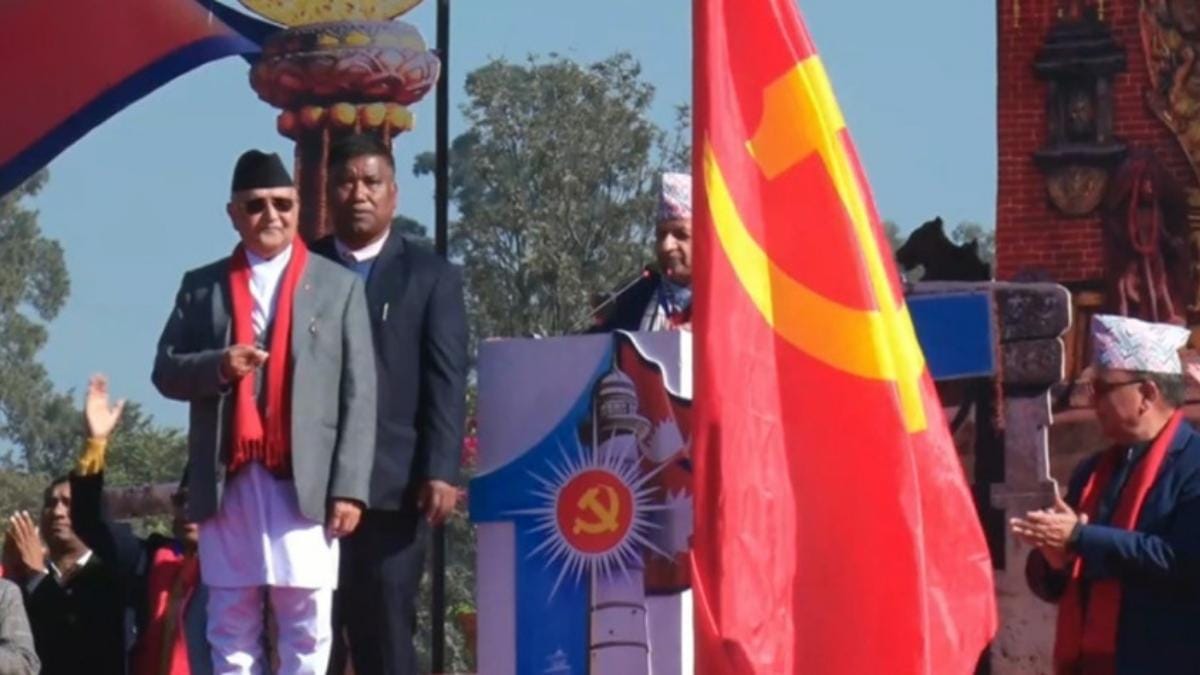
It was meant to be a show of force. As thousands of red flags snapped in the winter air outside Kathmandu on Saturday, the Communist Party of Nepal (Unified Marxist-Leninist), the country’s dominant political machine, opened its general convention. Cadres were bused in and police lined the streets. The party chairman, KP Sharma Oli, took the stage with his usual bulldog defiance. The message was unity. The reality, however, was something far more useful: messy and open dissent. For the first time in decades, a sitting UML chairman faces a direct challenge. That contest is a sign of deep institutional stress. It is also the best news for Nepal’s democracy in years.
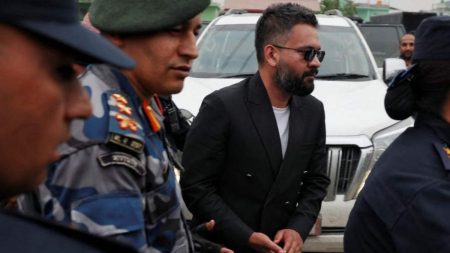
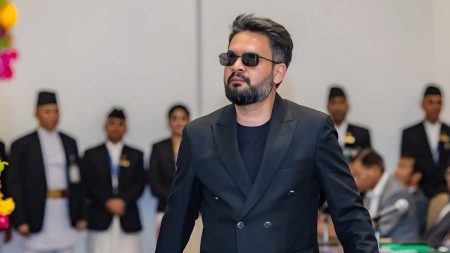
The crack in the monolith appeared for a bloody reason. In September, after weeks of simmering discontent, Nepal’s young people poured into the streets to protest a political class they see as corrupt, as well as inept and aloof. Mr Oli, who was prime minister at the time, sent in the police. Dozens of unarmed protesters were killed. Within two days he was forced to resign. The stain of that crackdown hangs over his party. The challenge to his leadership comes from Ishwar Pokhrel, the UML’s senior vice-chair. He does not describe it as a revolt but as a “correction”. That is smart politics. His bid is a vessel for the unease of many UML cadres who worry that with Mr Oli’s face still at the helm, the party will be forever tarred by the violence.
Also read: Meet the man who could be Nepal’s next prime minister
The battle has been fought in the districts for months, with rival slates of delegates and parallel campaigns. In the days before the convention, it descended into internal wrangling. Mr Oli’s faction, needing to reward loyalists, tried to expand the number of top party posts. Mr Pokhrel’s side blocked the move, noting that the party’s rules had just been finalised in September. It was a small win, but it showed that Mr Oli’s power could be checked from within. That is a novelty.
Make no mistake, Mr Oli will probably win the vote. The machinery of incumbency—that is: patronage as well as fear and habit—is a powerful beast. He projects a blunt confidence, dismissing the September protests as the work of manipulators and refusing any link between his leadership and the tragedy. This stiff-backed stance reassures his core supporters, who see compromise as decay. But it unnerves the party’s strategists. They must ask a hard question: can a party led by the man who gave the order to shoot ever win back the trust of the youth, especially as the national elections loom?
That is why the real story is not the likely result, but the fact of the fight. For years the UML has presented itself as a disciplined monolith and its internal debates hidden behind closed doors. That pretence is now broken. A public challenge, whatever the outcome, makes dissent legitimate. It drags the party’s hidden balances of power into the light, where they can be scrutinised and negotiated. A narrow win for Mr Oli would leave him weakened, forced to bargain constantly with rivals. A strong showing for Mr Pokhrel’s faction would create a bloc for change. Even in defeat, the challenger will have altered the terrain.
This internal struggle is a brutal version of a dilemma facing political machines everywhere. Does it cling to the strongman model, betting that organisation and handouts can outweigh moral outrage? Or does it risk renewal, trying to channel public anger before being consumed by it? For Nepal the answer matters. The country’s politics have long been a grinding cycle of alliance and betrayal between a few top-heavy parties, with policies an afterthought. The UML’s split is a sign that this stale system can no longer contain the pressures building under it.
The young people in the streets in September were not debating party statutes or Marxist doctrine. They were demanding accountability and a future that works. They will not be satisfied by a rotation of ageing faces. The UML’s internal battle is its first, fumbling attempt to answer that demand. It will not be the last. For a country weary of political drama, the sight of a real contest, however messy, is a sign of life. The question is whether politicians can change enough to earn back the people’s trust. Their legitimacy not just their jobs depends on it. ■