Image via Facebook
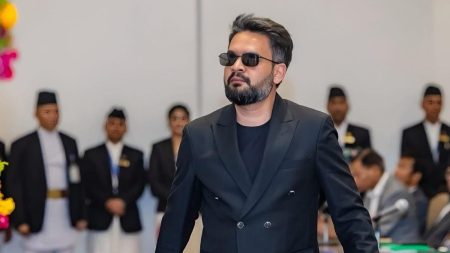
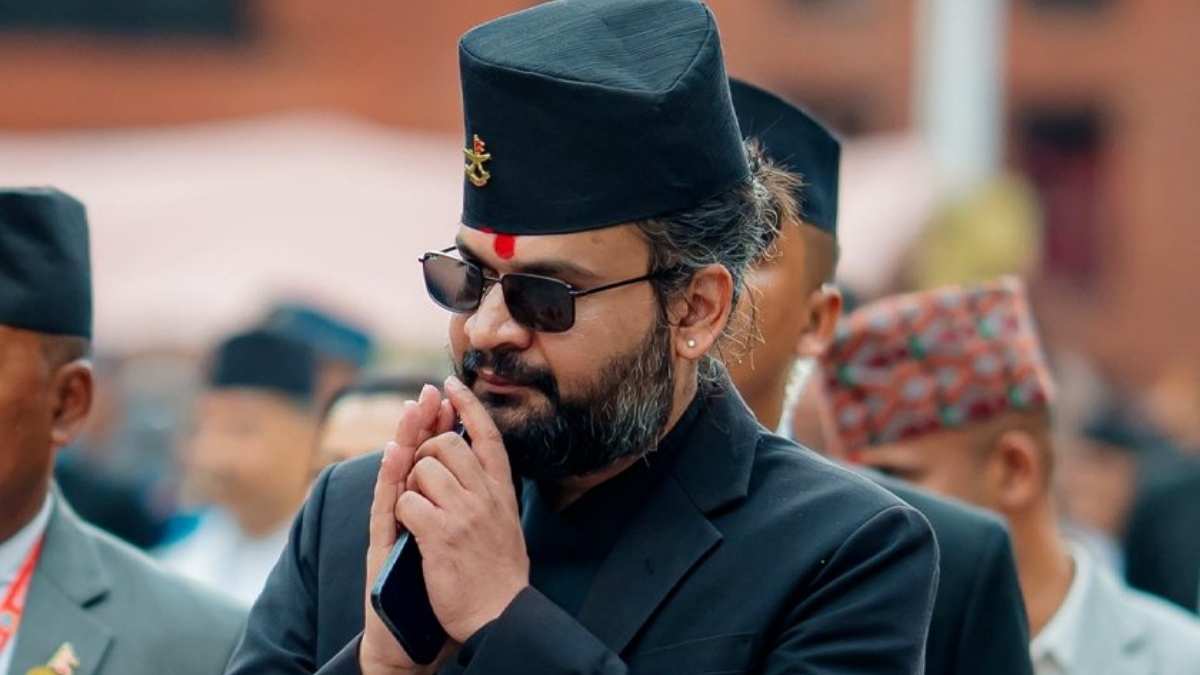
IN NEPAL’S POLITICS, the “lauro”, a wooden walking stick, represents bare-bones support for the old. But in the hands of Balendra “Balen” Shah, the structural engineer and rapper who governs Kathmandu, it has become a cudgel. Having spent two years or so clearing the capital’s pavements of illegal vendors and its rivers of filth, Mr Shah is now looking to sweep the national stage. His target is the upcoming parliamentary election on March 5th, and his chosen opponent is the ultimate titan of the old guard: KP Sharma Oli.
True, the rivalry is personal, but it is a clash of eras as well. Mr Oli, a former prime minister and leader of the CPN-UML, has dominated the country’s dirty politics for decades through a fusion of nationalist bluster and iron-fisted party discipline. Mr Shah, on the other hand, embodies the “Gen Z” upheaval that brought down the previous government in September. By hinting that he will contest Mr Oli’s long-held stronghold in Jhapa-5, Mr Shah is seeking a seat as well as attempting a political exorcism.
To do so, the mayor has had to abandon the lonely path of the independent. Negotiations with the Rastriya Swatantra Party (RSP), a fellow “new” force led by Rabi Lamichhane, recently collapsed in a tangle of ego and ambiguity. Mr Lamichhane, currently hamstrung by a money-laundering case, reportedly offered Mr Shah the title of “future prime minister”. Mr Shah, who prefers a clear blueprint to a vague promise, found the RSP’s lack of organizational structure—and its “join now, discuss later” attitude—unpalatable. He is not a man comfortable taking orders.
Instead Mr Shah has activated the Desh Bikash Party (DBP), a dormant vehicle that carries the walking-stick symbol. The move is a marriage of convenience between populism and technocracy. He has reportedly secured a pact with Kulman Ghising, the popular energy minister credited with ending Nepal’s chronic electricity blackouts. Together they aim to field candidates across the country, targeting around 110 seats in the proportional-representation list and all 165 first-past-the-post constituencies.
The coalition Mr Shah is stitching together from his strategy hub in Kupandol is a motley crew of the disgruntled. It includes regional populists like Resham Chaudhary and CK Raut, alongside Gen Z activists and respected professionals. The pitch is that the old parties are a patronage-fueled machine that has failed to deliver anything but stagnation. Mr Shah offers “meritocratic politics”: a promise that sounds radical in a country where party loyalty has long been the only currency of advancement.
Challenging Mr Oli in Jhapa is a risky political bet.. The constituency is the heart of the UML machine. For Mr Shah, winning there would be a seismic event akin to a political earthquake. But even a loss could serve his purpose. By forcing the 73-year-old Mr Oli into a defensive, localized campaign, Mr Shah transforms a single constituency into a national referendum on the establishment. It ensures that the media’s gaze and the youth’s fervour is fixed on the “rapper vs the veteran”.
The danger for Mr Shah is that national politics is more treacherous than municipal management. Clearing a street in Kathmandu is easier than managing a fractious alliance of ambitious reformers, each with their own vision of a “New Nepal”. If the DBP remains a personality cult built around a mayor and an engineer, it may struggle to scale outside the urban youth.
Yet the timing favors the outsider. With the deadline for candidate lists looming and the public’s patience with the traditional triad of the UML, Congress and the Maoists at an all-time low, Mr Shah has the momentum. Nepal’s established leaders have spent decades perfecting the art of the backroom deal. They may soon find that their greatest threat is a man who prefers the rhythm of the street to the hum of the committee room. Mr Oli and his peers would be wise to watch their step. The walking stick is being swung with intent. ■