IMAGE: GETTY IMAGES
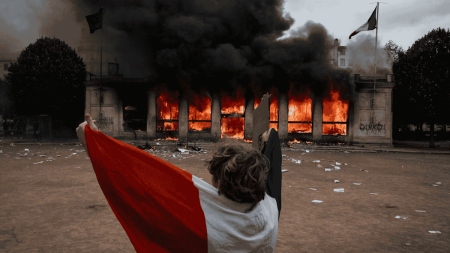
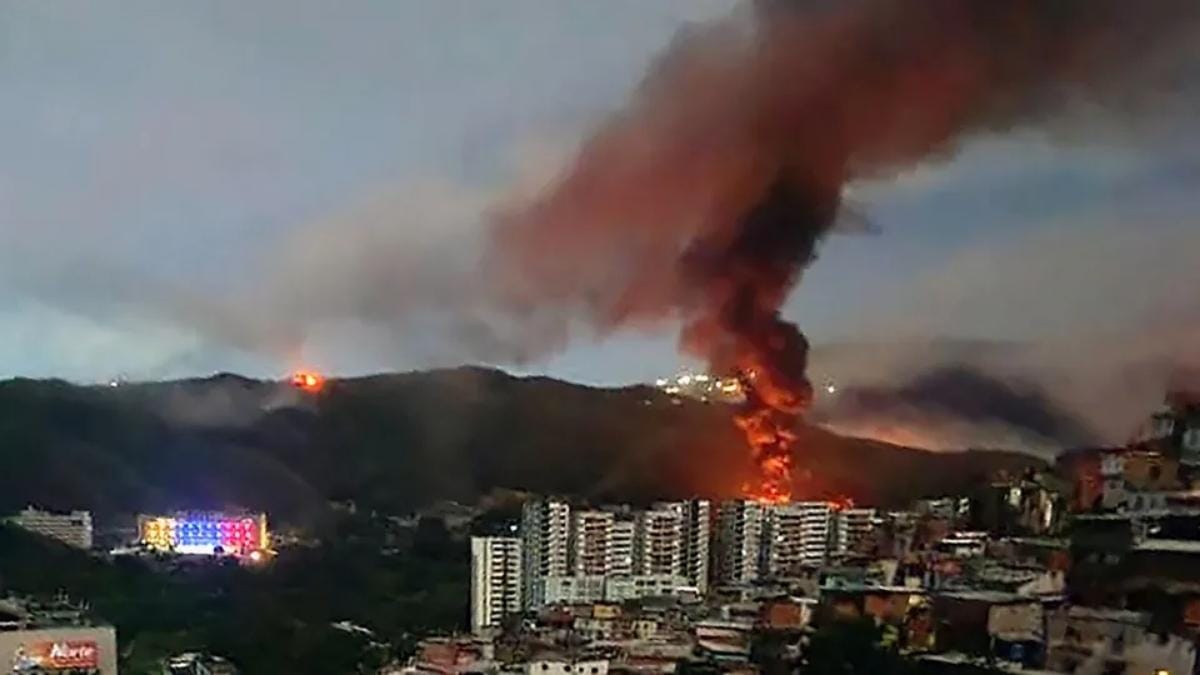
AT 2:30 A.M. ON January 3rd, Caracas, the capital of Venezuela, woke to the sound of explosions. Residents reported blast waves rattling windows and the whop-whop of helicopters skimming rooftops. In rapid succession, strikes hit Fuerte Tiuna, the sprawling military headquarters, La Carlota airbase, La Guaira port and key communications sites such as El Volcán. For ordinary Venezuelans, it was terrifyingly sudden. For the world, it was historic: Nicolás Maduro, a former bus driver who had ruled Venezuela since 2013, was captured and flown out of the country, declared Donald Trump.
Maduro’s tenure had been shadowed by accusations of authoritarianism, electoral fraud and narcotics trafficking under the so-called “Cartel of the Suns”. Washington’s justification for the operation leaned heavily on those charges. The Trump administration alleged that Maduro had stolen U.S. oil and territory; rigged the 2024 election; and overseen cocaine shipments across the Caribbean into American cities. A $50m reward for information leading to his capture had been on offer for months, signalling the administration’s intent.
The operation was the culmination of a five-month military buildup. The United States assembled the largest naval force in the Caribbean since the Cuban missile crisis, including aircraft carriers, tankers and special forces units. Strikes on Venezuelan vessels thought to be carrying drugs had killed more than 100 people. By late December the United States had imposed a total blockade on Venezuelan oil exports and carried out a CIA drone strike on a port facility. On December 22nd Mr Trump publicly promised to extend operations from “sea to land”.
The raid itself bore the hallmarks of precision special operations. Night Stalker helicopters executed a rapid extraction, suggesting that the objective was not to destroy Caracas but to capture its authoritarian leader. Within hours Mr Maduro and his wife were gone, and Vice-President Delcy Rodríguez assumed interim control, demanding “proof of life” as Caracas residents fled into the streets. Power outages and internet blackouts compounded confusion while government-aligned paramilitaries patrolled the city, enforcing order.
The international response was predictably fractured. Venezuela’s allies, notably Russia and Cuba, condemned the incursion. Argentina’s libertarian president, Javier Milei, congratulated the United States. The European Union, cautious, emphasised adherence to international law and called for a peaceful transition. Analysts note that while the raid removes a long-standing authoritarian, it opens a vast political vacuum. Maduro may face trial in the United States, but his absence leaves an oil-dependent economy teetering on instability.
The operation is unprecedented for Latin America. The United States has not forcibly removed a sitting leader in the region since Manuel Noriega’s ouster in Panama in 1989. Yet history provides few assurances. Mr Maduro’s capture may disrupt cartel operations temporarily, but Venezuelan institutions are weak, and factions within the military and paramilitary forces could contest the new order. Civil unrest, unpredictable succession battles as well as continued economic hardship such as hyperinflation are likely in the months ahead.
The operation demonstrates the reach of U.S. military firepower, but it also shows the fragility of Venezuela’s political and social fabric. Removing a figurehead moreover does not instantly resolve the structural crises that have left millions in poverty and driven mass migration.
Caracas, in the early hours of 2026, experienced history in real time. A decades-long reign ended in a matter of minutes. How Venezuela will fill the vacuum and rebuild its institutions remains to be seen. The consequences will unfold over years. ■