IMAGE: MANDEL NGAN/AFP VIA GETTY IMAGES
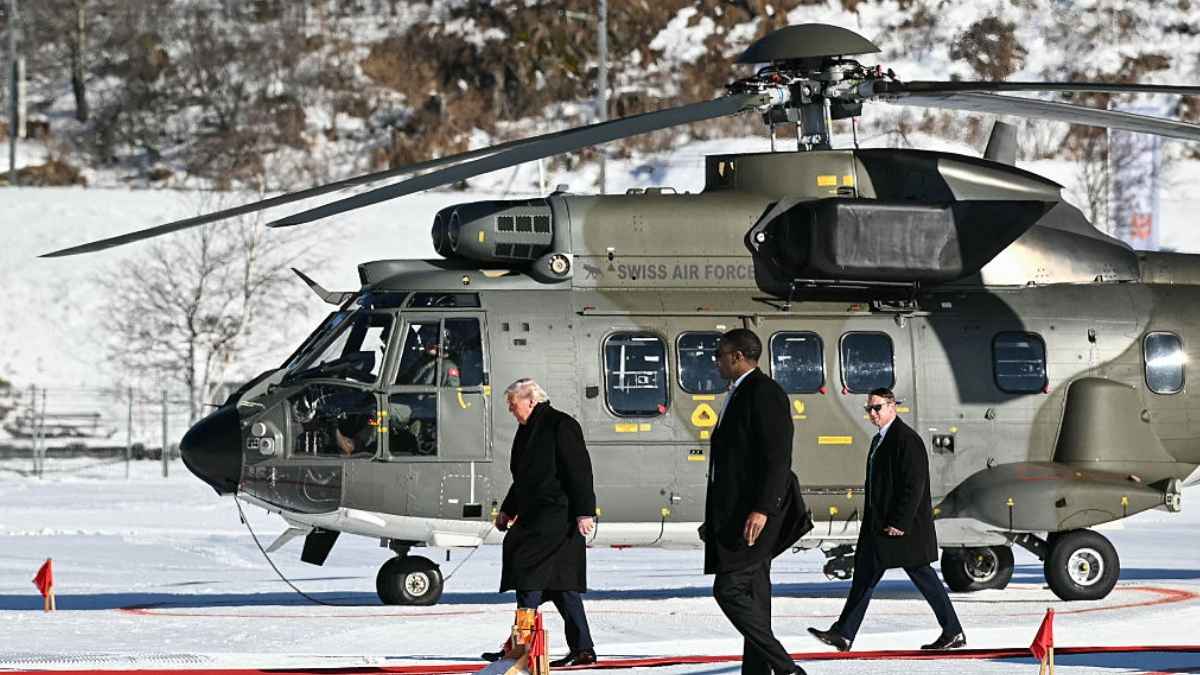
THE ALPINE village of Davos has long fancied itself the cockpit of globalisation. Its annual forum is a ritual gathering of the political and financial elite, a place for sober dialogue about managing an interconnected world. On January 21st its most consequential guest arrived to celebrate its unravelling. At the White House hours before his flight, he treated reporters to a rambling 90-minute performance. He boasted of his physical fortitude, divine approval and a drop in Washington’s crime rate that allows lovers to “walk the streets”. Then he turned to the subject that has upended transatlantic relations: his determination to acquire Greenland, an autonomous territory within the Kingdom of Denmark.
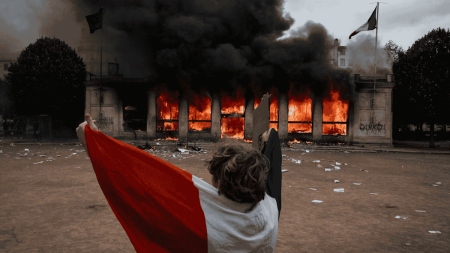
“We need it for security purposes,” he stated, suggesting a deal might be possible but leaving the threat of force hanging with a vague “You’ll find out”. The bid for the vast Arctic territory, ostensibly for strategic advantage, is the capstone of a blazing start to his second term. In just three weeks, Mr Trump has launched a military raid in Venezuela, threatened strikes on Iran and intensified domestic immigration raids that have sparked street clashes. Each act deliberately snubs a pillar of the post-war order: sovereignty, non-intervention and the rule of law. The reaction from American allies has been one of horrified disbelief. Emmanuel Macron, the French president, warns of a “lawless world”. Mark Carney, Canada’s prime minister, describes a “rupture, not a transition”.
Yet Mr Trump shows only contempt for such hand-wringing. He has threatened crippling tariffs on European allies for deploying a handful of troops to Greenland. On social media he posts doctored maps showing Greenland, Venezuela and Canada under American control, superimposed on a real photograph of European leaders sitting obediently in the Oval Office. He leaks private diplomatic exchanges from Mr Macron and the head of NATO. The performance is calibrated to demonstrate that norms are for the weak. “They can’t protect it,” he scoffed of Denmark’s hold on Greenland. Kevin Madden, a former Republican adviser now at the Penta consultancy in Washington, notes that this new term shows just how “untethered” the president feels from any restraining convention.
That sense of liberation is what truly terrifies Davos delegates. Financial markets, which had settled into an uneasy truce with Mr Trump’s first-term volatility, are now jittery. The president’s own treasury secretary, Scott Bessent, has urged Europeans to “take a deep breath”. But the anxiety is not merely about trade tariffs or bond yields. It comes from the dawning realisation that the disruption is intentional. Mr Trump is methodically proving that existing systems do not matter to him. His “Board of Peace”, a vainglorious diplomatic project to be unveiled soon, will operate outside established institutions. Alliances are treated as tools for personal advantage rather than as shared commitments to security.
The chaos has an odd political reasoning behind it. Domestically, the Greenland obsession and the clashes with Europe play to a base that revels in nationalist assertion. They divert attention from complex domestic problems, replacing them with shows of strength. Abroad they create a market for uncertainty where America, however erratically, remains the central dealer. Some nations may still feel compelled to court its favour, if only to avoid being its next target.
But the cost of that strategy is a lasting corrosion of trust. When Gavin Newsom, California’s governor and a potential future presidential candidate, describes Mr Trump as a “wrecking ball” and urges Europeans to stand firm, he voices a fear that transcends party lines. The concern is that the damage will outlast the man. Norms, once broken, are difficult to rebuild. Institutions, hollowed out by ridicule, may not recover their authority. Mr Trump may yet back down on Greenland or cut a temporary deal. The immediate crisis may pass. Yet the main lesson of Davos 2026 will linger: the world’s most powerful man is its most potent destabilising force, and he is just getting started. The elite gathering in the Alps has ceased to steer the global economy. It is just watching its chief guarantor take a sledgehammer to the controls. ■