IMAGE VIA KHABARHUB
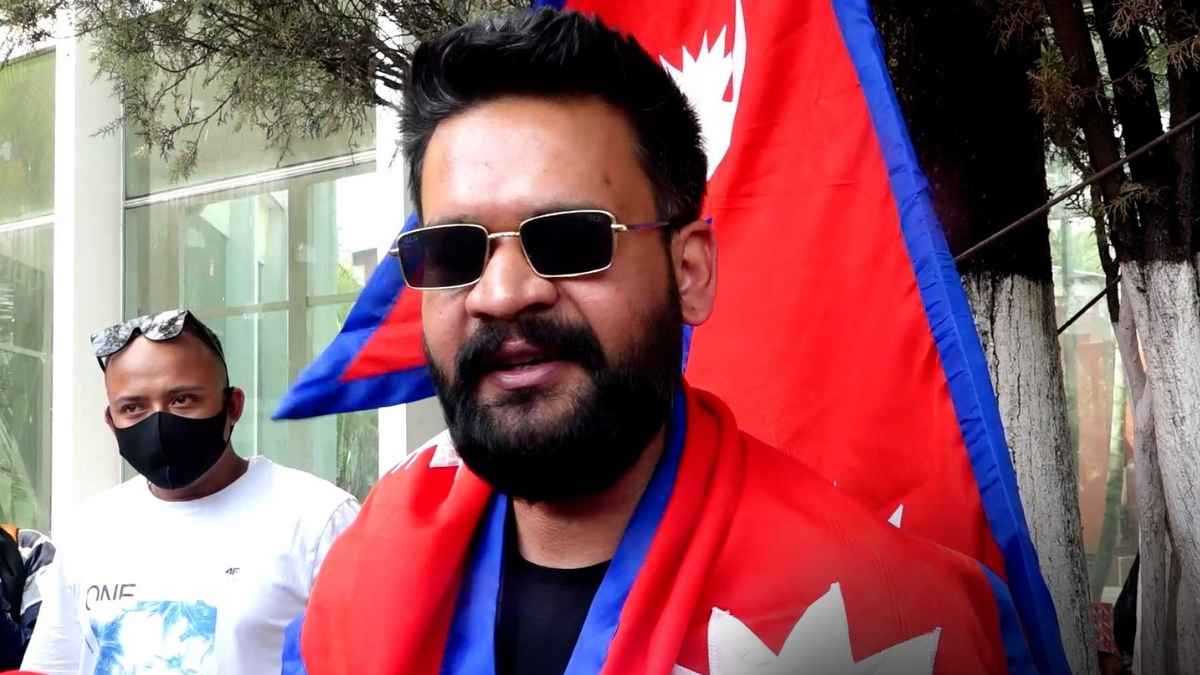
A PUBLIC DEBATE, K.P. Sharma Oli suggested on January 25th, would help Nepali voters decide. The chairman of the Communist Party of Nepal (Unified Marxist-Leninist) and former prime minister issued an open call for a live, televised contest among the country’s prime-ministerial candidates. It was time, he wrote, to compare agendas, records and plans transparently. The post painted the coming election as a choice between those who had “burned the country” and those who would build it. In the comments section below, Balen Shah, the prime-ministerial candidate for the populist Rastriya Swatantra Party, delivered his reply. He would not share a stage with Mr Oli. To do so, he wrote, would be to stand with men he held responsible for the deaths of “76 children” during last September’s protests. A debate would be meaningless, he concluded, with someone who had already accepted the label of arsonist.
The curt, public rebuff was typical of Mr Shah, a 35-year-old rapper-turned-former mayor of Kathmandu whose political rise has been built on confrontational rhetoric. It also reveals the strategy of an insurgent who understands that his advantages lie outside traditional political forums. Mr Oli’s challenge was the move of a veteran politician trying to pull the contest onto ground that suits him—experience and command of policy. A debate carries little danger for Mr Oli. It would allow him to show confidence and present the election as a choice between responsible stewardship and risky disruption. A refusal by rivals could easily be cast as evasion or immaturity.
Mr Shah’s reasoning rejects that logic entirely. He is not claiming he would lose a debate on the merits of his housing policy or fiscal roadmap. He is asserting that the very act of debating would confer legitimacy on men he considers discredited. His politics is about assigning responsibility, not agreeing policies. His power comes from drawing hard lines and speaking directly to public anger, rather than from persuasion through discussion. Appearing beside Mr Oli as an equal participant in a shared democratic process would undermine the core of his brand: the uncompromising outsider who condemns a tainted establishment.
There is strong tactical logic here. Debates reward the qualities Mr Oli possesses—experience as well as rhetorical skill and knowledge of how government works. They force candidates to explain trade-offs and feasibility. Mr Shah’s appeal is affective. It is built on a perceived authenticity and the idea of a clean break with the past. His preferred arena is social media, where he controls the narrative frame and the tone. A formal debate cedes that control. By refusing on ethical grounds, he avoids scrutiny while burnishing his image as a man of integrity. He chooses polarisation over persuasion, deepening the loyalty of his base rather than reaching for the unconvinced.
The exchange shows two very different styles of politics. Mr Oli, for all his past provocations, sees politics as a rough but rule-bound system of institutions and negotiation. Mr Shah treats it as a matter of deciding who is right and who is wrong. Both appeal to a young, frustrated electorate. But the risks for Mr Shah are mounting. Running a diverse, federal state means forming coalitions and managing competing interests. Treating engagement as complicity may rally supporters, but it raises serious doubts about his ability to handle the slow, difficult work of government. Voters must decide which approach they prefer. ■