
IMAGE VIA FACEBOOK
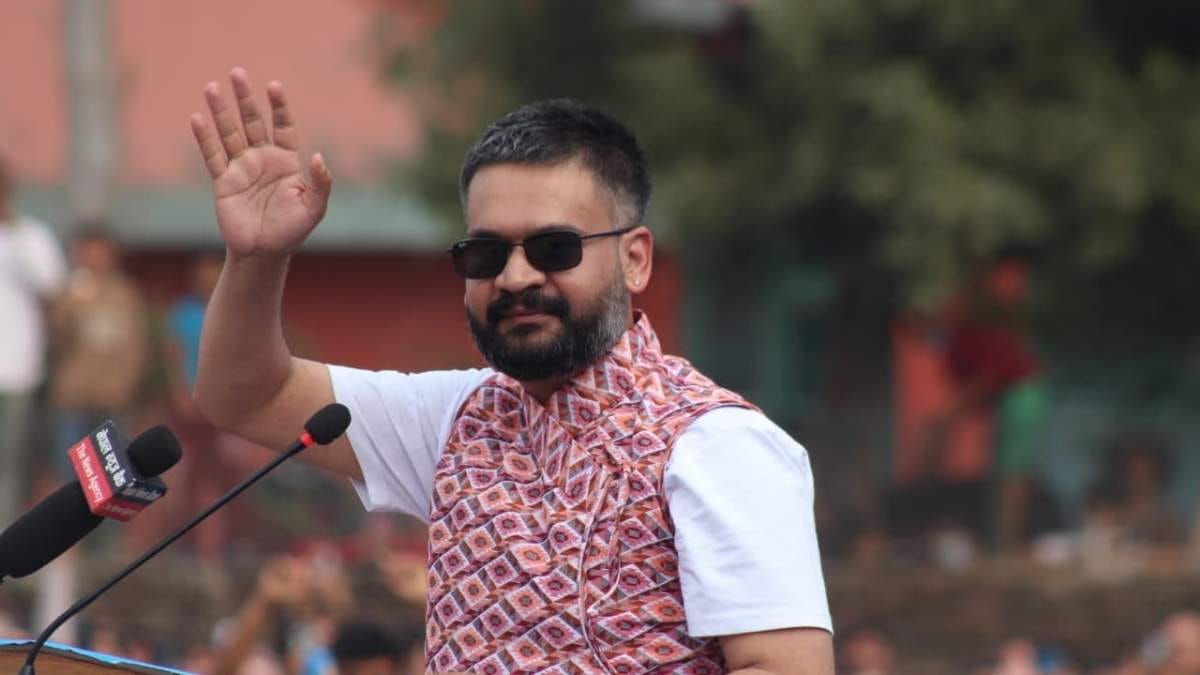
NEPAL’S RECENT election was an earthquake. A coalition of outsiders, led by a former engineer-turned-rapper, swept aside the old guard in a youth-fuelled revolt against corruption and stagnation. Balendra “Balen” Shah, a 35-year-old phenomenon, will be sworn in as prime minister this week. His mandate is real. His challenge, however, is governance—and specifically a style of leadership forged in municipal defiance that will not work at the national level. The man who refuses to give interviews is about to discover that a prime minister’s job is not to broadcast but to listen.
The problem is that as mayor of Kathmandu, Mr Shah cultivated a reputation for being less accessible than the politicians he railed against. His office ignored journalists and his preferred mode of communication was the monologue: a Facebook post, a combative TikTok video, a midnight tirade laced with profanity that was deleted half an hour later. He boycotted debates and bypassed the press, claiming to speak directly to the people. In a municipal executive, this can be shrugged off as eccentric. In a parliamentary democracy, with a complex federal bureaucracy and two giant, sensitive neighbours, it is a recipe for paralysis.
The argument for engagement goes past media manners: it concerns the mechanics of power. A prime minister who does not submit to scrutiny cannot be held accountable. Mr Shah’s refusal to participate in the 2026 election debates meant his policy platform escaped comparative scrutiny—a trick he will not be able to repeat once in office. His administration will need to navigate the federal bureaucracy, which he has already shown a talent for alienating. As mayor, he left city staff unpaid for over a hundred days during a standoff with the chief administrative officer, and his capital expenditure budget was spent at a rate of 30-40%. That is administrative self-immolation.
The business community, which is desperate for an end to the old corruption, is watching with a combo of hope and dread. The Federation of Nepalese Chambers of Commerce and Industry has made clear its fear of “capital flight” should an anti-corruption drive be conducted without due process. Investors are delaying decisions, traumatised by the unrest of 2025 and uncertain whether Mr Shah’s government will respect contracts or pursue populist gestures. The worry is that the traits that made him a popular mayor—from unpredictability and unilateralism to a fondness for nationalist symbolism—will prove toxic when applied to trade, taxation and relations with India and China.
Foreign policy is where the risk is sharpest. Nepal’s geography leaves no room for impulsive diplomacy. Mr Shah’s mayoral ban on Indian films and his display of an irredentist map in his office played well to a domestic audience. As prime minister, such gestures could jeopardise the open border and the trade that underpins a third of Nepal’s economy. China, which has lent Nepal over $300m, values predictability above all. A leader who communicates by social-media broadside is not one Beijing trusts.
Inside the governing alliance, the potential for dysfunction is high. Mr Shah and the party chairman, Rabi Lamichhane, struck a deal to unite their camps, but the history of Nepali politics is littered with coalitions undone by personal rivalry. If the prime minister and his party leader cannot agree, the government will stall—just as the Kathmandu mayor’s office did when its chief executive and his deputy fell into a public feud.
None of this means Mr Shah is destined to fail. His election reflects a real desire for change, and his technocratic credentials are real. But the jump from viral mayor to national leader requires a transformation in style. He must abandon the “zero interview” doctrine and submit to regular press briefings. He must institutionalise accessibility, creating formal channels for business and civil society to be heard. And he must replace the politics of the bulldozer with the grind of policy implementation.
The trust placed in Mr Shah is immense and it is a double-edged sword. If he governs from a digital fortress, answerable to no one but his own algorithms, that trust will evaporate faster than one of his midnight posts. Nepal does not need a messiah who speaks only to his followers. It needs a prime minister who can be questioned and challenged. The boy who wouldn’t talk must now learn to listen. The future of his government—and his country—depends on it. ■




