IMAGE: RATOPATI
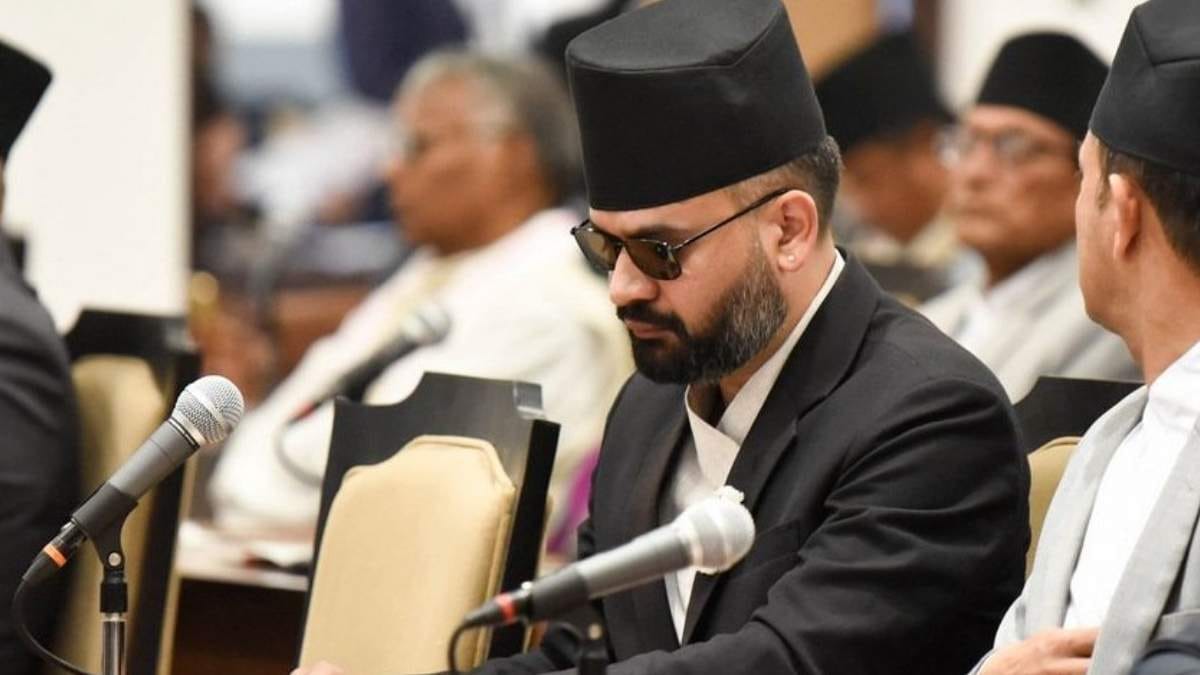
FOR A man who swept to power promising to flatten the old order, Balendra Shah is spending a great deal of time in court—and losing. Since late March, his government has seen its most muscular policies halted or bluntly reversed by judges. The prime minister wanted to govern by decree and demolition; the Supreme Court has reminded him that the constitution cannot be bulldozed.
The most revealing setbacks concern the government’s reliance on ordinances. Last month Mr Shah’s cabinet used an emergency decree to abolish official trade unions for civil servants and to dissolve student organisations across universities. The arguments were that unions had become dens of patronage, student politics a racket.
Yet the method side-stepped parliament entirely. This week the Constitutional Bench issued an interim order freezing the union ban. A majority of justices pointed to the constitutional guarantees of freedom of association and collective bargaining, rights that cannot be erased by the stroke of a pen. Another bench simultaneously blocked the dissolution of student unions.
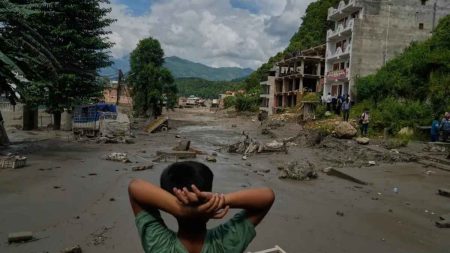
The same muscular impatience defined the government’s campaign against squatter settlements. Mr Shah’s teams began clearing riverbank shanties without any credible plan for rehousing. The Supreme Court stepped in, warning that mass displacement without basic provisions for shelter, schooling and health care risked a humanitarian crisis. It ordered the bulldozers to stop until proper procedures and rehabilitation arrangements were in place. Intention, the judges signalled, counts for little if execution rides roughshod over the vulnerable.
Then there is the matter of arrests. The government took former prime minister K.P. Sharma Oli and ex-home minister Ramesh Lekhak into custody in late March, levelling serious charges. The Supreme Court initially demanded a show-cause, then tightened the leash: it ordered the investigation wrapped up without further extensions, and both men were released.
A similar drama unfolded around businessman Shekhar Golchha, who was granted bail on May 4th only to be rearrested hours later under a separate inquiry. Harassment by rotation, a tactic familiar from less democratic places, does not sit well with a court that is increasingly alert to executive overreach.
Perhaps the most consequential battle is one the government appears to be waging against the judiciary itself. On May 7th the Constitutional Council recommended a junior Supreme Court justice for the post of chief justice, vaulting him over three more senior colleagues. The effect would be a bench led by a judge whose elevation owes more to political convenience than to established seniority. For an executive already bruised by judicial scrutiny, this looked like an attempt to influence future rulings.
Mr Shah’s reformers are right to identify the rot in trade unions, student bodies and land management. But they have chosen methods that treat the law as an obstacle rather than the framework within which durable change must be built. As Bijayprasad Mishra of the Nepal Bar Association puts it, when the court intervenes early, it signals that the executive has strayed beyond its lawful bounds. That is the separation of powers doing its job.
The prime minister may yet salvage parts of his agenda, but only if he learns the right lesson from these reversals. A reformer’s true measure is how carefully he respects the very rules that keep arbitrary power at bay. For the moment Mr Shah’s government has been taught a humbling truth: you cannot demolish your way to a better state. ■