
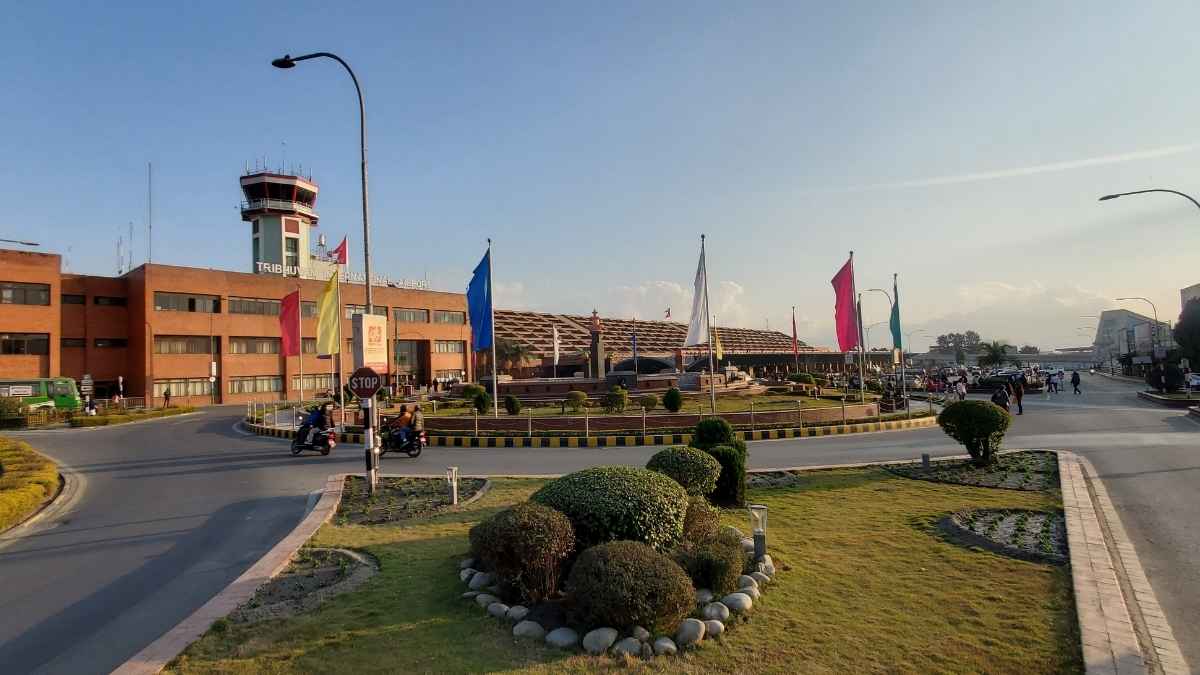
IMAGE: CAAN
LAST MONTH the European Commission kept Nepal on its Air Safety List for the 48th time. The ban from European airspace has now lasted twelve and a half years. In that period fifteen tourism ministers have held office. Bills to fix the problem have been drafted, withdrawn and re-registered so often that parliamentary officials recite the chronology from memory. On July 11th the government published the latest versions for public feedback. The completion deadline is mid-January. The ban has cost Nepal direct flights from European carriers, a loss felt by hotels and trekking agencies.
The reform is simple. The conflict of interest is obvious. Nepal’s aviation regulator does two jobs: it oversees safety and runs the airports. The International Civil Aviation Organisation has called this a conflict for more than a decade and has repeatedly urged separation. The European safety agency has agreed since 2013. Nepal has promised to split the functions, drafted legislation and failed to pass it, roughly every two years. Each previous attempt foundered on the same obstacle: internal opposition.
The new bills propose two bodies. One will regulate. The other will manage airports and navigation. The Balendra Shah government calls this a priority and has ordered the Law Ministry to expedite it. Law Minister Sobita Gautam, a long-time advocate of the split, has promised to push the bills through. They are now open for public comment.
Pakistan offers a model. It divided its aviation authority. Soon after the European agency lifted its ban on Pakistan International Airlines. Nepali officials have repeated this example as a roadmap.
Caution is warranted. In 2022 both bills were scheduled for debate but withdrawn after employees objected. Parliament was prorogued and the attempt died. In February 2025 another minister re-registered them, but political instability intervened. The new bills still face public feedback, inter-ministerial review, law ministry scrutiny, parliamentary committee hearings and floor votes. All by mid-January. Nepal’s parliament rarely moves complex institutional changes that fast.
The employee resistance is not incidental. The authority employs about 1,900 people. Its director is a political appointee. The organisation functions partly as a patronage network, offering positions to political allies. Splitting it would reduce the concentration of power and clarify responsibilities. That clarity is what the reform aims for, and what its employees have resisted. The 2022 bills failed because those who would lose influence objected and the government retreated.
The officials announcing the bills in July may not be in office come January. Nepal’s political turnover does not inspire confidence that a public comment period will outweigh the organised opposition of a well-connected workforce. The reform might still succeed.
Yet the publication of bills is only the first step. Nepal has been at this stage fourteen times before. The EU ban has already cost twelve years of direct flights, and the tourism industry has adapted without them. The bills exist and the Law Minister has put her credibility behind them. January 2027 will show whether this attempt differs from the others. ■




