IMAGE VIA UNDP
ON OCTOBER 1ST Bhishma Raj Angdembe stood up in Nepal’s House of Representatives and said it was a shame to speak without knowing whether the prime minister was in the building. Balendra Shah was not. Over 62 days and 68 meetings, he turned up six times. He spoke twice. The rule that says he must answer questions every month went straight in the bin. His office is a short walk from the chamber. The man is a ghost.
Fans call it principle. It looks like cowardice. Mr Shah won a thumping mandate against the old parties. He promised to clean up politics. He now governs by Facebook post, emergency decree and midnight arrest. Parliament gets a stand-in. The country gets a part-time prime minister who cannot be bothered to show up for work.
The work goes to ministers. Law Minister Sobita Gautam introduces bills and answers questions for him. When the opposition demanded Mr Shah during the budget debate, Finance Minister Swarnim Wagle was shoved into the firing line. Congress protested. Other parties walked out. Ranju Darshana of the ruling Rastriya Swatantra Party says the prime minister broke no rule. The Speaker found a clause letting a minister stand in. Gyan Bahadur Shahi of the Rastriya Prajatantra Party reminded RSP that it once demanded mandatory attendance. Rules can be twisted. Accountability cannot survive the stretch.
Where parliament shrinks, other things grow. In May Kantipur reported that the government had adjourned a session the president had called and rammed through about 150 laws using eight decrees. That was May’s tally. Nobody in Singha Durbar seems keen to update it. Mr Shah talks mostly on Facebook. In early August he wrote that “sometimes one has to fight alone”. Ministers who open their mouths have short careers. The labour minister was sacked over corruption claims. The home minister quit in April and came back in June. The industry minister resigned on September 10th, a day after telling a parliamentary committee that all 58 cooking-gas companies should lose their licences. A cabinet that treats plain speaking as a resignation trigger will soon have nothing to say.
The style turns ugly when the state uses force. Plainclothes police took Cholendra Shumsher Rana, a former chief justice, from his Kathmandu home after midnight on September 26th and released him about 12 hours later. Police said he was “placed under protection” because of a possible security threat. They have yet to describe the threat. Media reports linked the snatch to his recent meetings with K.P. Sharma Oli, the former prime minister, as opposition parties prepare street protests. In 70 years of the Supreme Court, no former chief justice had been taken into custody. No warrant was shown. The government has said nothing about who gave the order. RSP lawmakers criticised the detention on social media. Then they went quiet. That is the sound of a party discovering it has no spine.
With 182 seats, the opposition can shout all it likes. It cannot stop him. The checks have come from elsewhere. On May 31st the ruling party used its majority to pass new House regulations while opposition members surrounded the Speaker’s well. On September 17th the Supreme Court’s constitutional panel issued a temporary block on two clauses, one on changing the constitution and one on MPs’ privileges. A court is doing the opposition’s job. That should worry a prime minister who claims a mandate. It should terrify anyone who cares about democracy. Courts can stop bad laws. They make a pathetic substitute for a government.
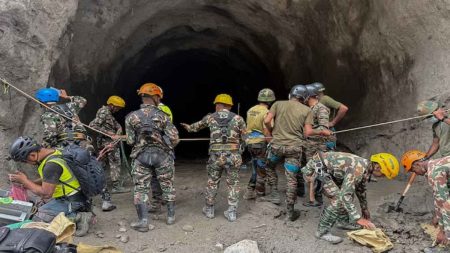
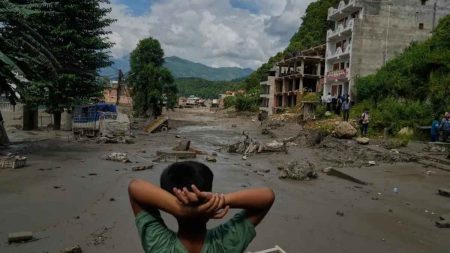
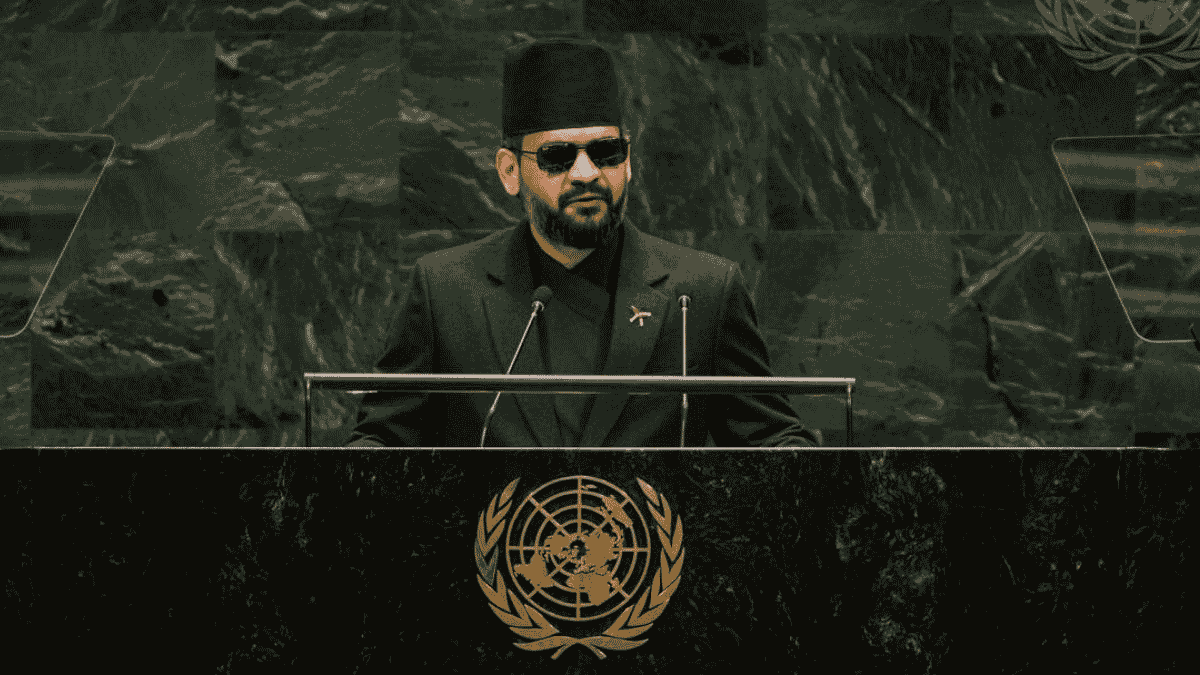
There is a case for the swagger. Supporters see a man who refuses to trade favours. Last month the cabinet picked 13 ambassadors from 4,400 applicants. His speech at the United Nations drew praise at home. He did eventually brief parliament on the flood. His mandate is huge, won against the old parties, with a campaign that never promised to love parliament. Fine. The flood will test the style. Rebuilding will cost about Rs723bn, by the government’s own estimate. Eighteen schools and 13 hydropower projects were hit across three districts. The work will take years. It needs ministries, provinces and banks pulling together. A single office can handle none of it.
The rules requiring him to answer in the House will still be there when it reconvenes. He has spoken from the rostrum twice. If Nepal’s prime minister wants to govern from a distance, he should expect the country to judge him from one. Democracy needs elections. It also needs the daily grind of questions, answers and votes. The alternative is rule by Facebook post, decree and unexplained midnight arrest. That is a rotten bargain even for a man who dislikes bargaining. Nepal does not have a prime minister. It has a social media influencer with a security detail. ■