Few institutions survive a bullet to the head. Nepal’s monarchy took ten.
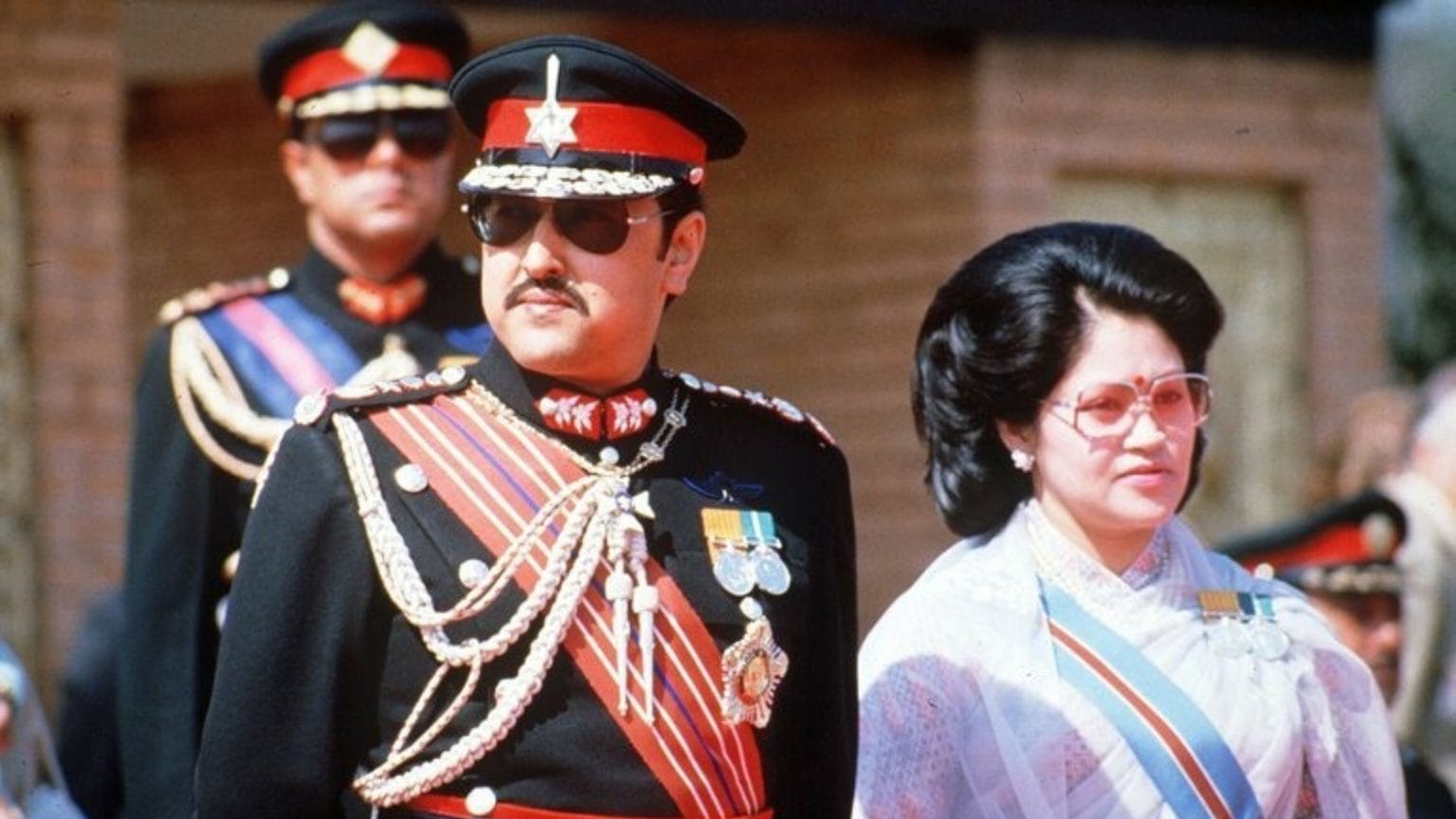
On the evening of June 1st 2001 the royal family of Nepal gathered for dinner inside Tribhuvan Sadan, a wing of the Narayanhiti Palace in Kathmandu. By the time the plates were cleared, most of them were brutally murdered. Ten royals, including the revered King Birendra and Queen Aishwarya, were gunned down in what remains one of the bloodiest episodes of dynastic extinction in modern history. The official culprit was Crown Prince Dipendra, who was then crowned king while in a coma, only to die three days later. The official explanation was a tragic cocktail of personal grievance and automatic weapons. Disbelief was the public verdict.
The narrative, laid out by a two-man investigative panel hastily convened by the government, was stark. Dipendra, reportedly intoxicated and angry over his parents’ refusal to approve his marriage to Devyani Rana, stormed out of the family gathering. He returned in military fatigues, armed with an arsenal more suited to a coup than a quarrel—a Colt carbine, a SPAS-12 shotgun, an MP5K submachine gun and a Glock pistol. Over the next 15 minutes he turned the royal billiard room into a charnel house. Then he walked into the garden and shot himself in the head.
The case was closed within a week. The conclusions—reached without forensic evidence, international assistance or even basic autopsies—raised eyebrows. Scotland Yard’s offer to help was declined. No bullet trajectories were charted. And a telling detail was left unexplored: Dipendra was right-handed but the fatal wound was on his left temple. The official report, produced with suspicious haste, did little to address the most glaring question of all: why was Prince Gyanendra, the king’s younger brother, not at dinner that night?
Theories filled the void. Some suspected Gyanendra, who was swiftly crowned king, had orchestrated the massacre to claim the throne. Others blamed his son, Paras, infamous for his impunity and temper. Eyewitnesses spoke of multiple shooters, some allegedly wearing Dipendra masks. Others claimed Dipendra was among the first to be shot. A curfew was imposed shortly after, fuelling rumours that far more than ten had died. Even the number “900” was floated. Blame ricocheted wildly: between the palace guards, the Nepali army, India’s Research and Analysis Wing and the CIA.
King Birendra had irked India by pursuing a neutral foreign policy and resisting serious economic dependency. His reluctance to join regional security initiatives and his attempts to forge closer ties with China unsettled both Delhi and Washington. In the post-9/11 world, America was eager to enlist stable, pliant allies in its war on terror. Nepal’s growing Maoist insurgency provided a pretext. Gyanendra, more authoritarian and less sentimental about sovereignty, appeared a better partner.
Their hasty endorsement of Gyanendra’s ascension—and their refusal to demand an independent investigation—spoke volumes. India, which had previously played midwife to Nepal’s democracy, made no fuss about the palace bloodshed. Western governments expressed condolences but little curiosity.
None of those theories have been proved. But their persistence speaks to the opacity of the investigation and the fragility of royal authority. For a monarchy believed to be the living embodiment of Vishnu, the idea one prince could kill his entire bloodline over a marriage dispute seemed almost too mortal. The symbolic exile of King Birendra’s soul, performed by a priest dressed as the dead monarch atop an elephant ten days later, did little to quell public unease. Nor did the quick coronation of Gyanendra, who moved fast to consolidate power and was perceived by many as a usurper.
The massacre came at a perilous period. The country was in the throes of a Maoist insurgency. The monarchy, weakened by the constitutional reforms of 1990, was seen as remote and aloof. Birendra had commanded widespread affection; Gyanendra did not. His reign coincided with escalating violence and democratic backsliding. He dismissed parliament in 2002; assumed direct control in 2005; and oversaw an increasingly repressive regime until mass protests forced him to relinquish power. By 2008 the monarchy was formally abolished. A 239-year-old dynasty, supposedly divine in origin, had been undone in seven years: its collapse initiated by bullets and hastened by disbelief.
Today the Narayanhiti Palace is a museum. Tourists file past bullet-riddled walls and dimly lit displays of royal life. Gyanendra lives quietly, occasionally issuing cryptic statements about national unity. Few listen.
The massacre’s legacy remains murky. Officially it was a personal tragedy with national consequences. Unofficially it was a palace coup, a vendetta, a ritual cleansing or a geopolitical conspiracy: depending on which circles one frequents. The continued absence of a credible investigation has made it a Rorschach test for Nepal’s political imagination.
In truth the country lost more than a family that night. It lost a unifying symbol during a national crisis. It lost faith in its institutions. And it lost the comfort of certainty. In the years since, a republic has emerged, fitful and fractious. But the royal murders still haunt the national psyche. For all the blood that was spilled on June 1st 2001, it is the unanswered questions that refuse to die. ■