Yoga is about detachment. In Nepal it has proved entangling. On June 5th the country’s anti-corruption watchdog filed charges against 93 individuals over a decade-old land deal involving Patanjali Yogpeeth Nepal, an offshoot of the Indian wellness conglomerate co-founded by celebrity guru Baba Ramdev.
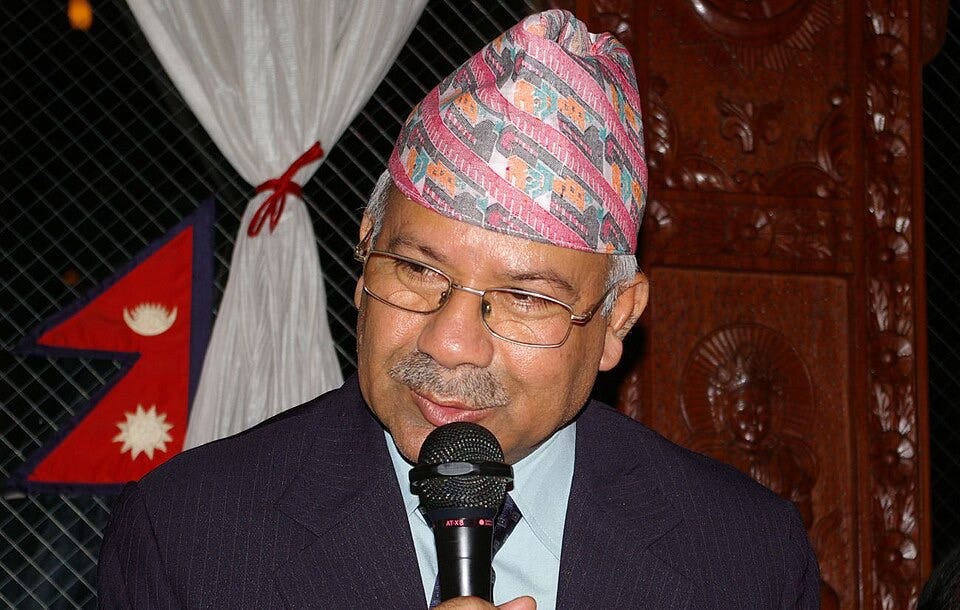
Among the accused: ex-ministers, top bureaucrats and a former prime minister, Madhav Kumar Nepal. The case centres on the misappropriation of land ceiling exemptions, intended for public-benefit projects, to grant hundreds of ropani to Patanjali. That land was later sold, illegally, to a private developer for a fraction of its market value.
Mr Nepal, now the chair of the Communist Party of Nepal (Unified Socialist), professes innocence. “I had never imagined such a thing could happen in an institution like Patanjali,” he told reporters from his home district of Rautahat—with the weary tone of a man surprised by his own signature. He insists he neither authorised nor was aware of any wrongdoing. Unfortunately for him, records suggest otherwise.
The specifics are damning. In 2010 during Mr Nepal’s tenure as prime minister, his Cabinet granted over 800 ropani (100 acres) of land to Patanjali in Banepa, a hill town just east of Kathmandu, along with plots in six other districts. The exemption was granted under a law that allows land ceiling limits to be waived for institutions delivering “public benefit” such as Ayurvedic hospitals or yoga centres.
But rather than rolling out wellness retreats, Patanjali applied to sell the land just 18 days after acquisition. The Cabinet, in a move that now seems either negligent or wilfully complicit, approved the proposal.
Officials who questioned the legality of the decision were quickly dealt with. When the director general of the Land Reform Department, Keshar Bahadur Baniya, raised objections, he was unceremoniously removed.
His replacement green-lit the transaction within days. By June of the same year 353 ropani had been sold to a private housing company for just NPR 42.25m. The actual market value, say investigators, was closer to NPR 400m.
Patanjali, which has cultivated a quasi-nationalist, anti-Western image in India, is no stranger to political influence. In Nepal it positioned itself as a benign force for rural development. That image allowed it to exploit regulatory loopholes while avoiding scrutiny. Now it is the centre of one of the biggest land scandals in the republic’s short democratic history.
The Commission for the Investigation of Abuse of Authority (CIAA) has demanded NPR 185.5m in damages from Mr Nepal alone. But the fallout may go further. Among the others implicated are Prem Bahadur Singh, the then law minister; Dambar Bahadur Shrestha, land-reform minister; Madhav Prasad Ghimire, chief secretary; and Shaligram Singh, head of Patanjali Yogpeeth Nepal.
That such a cross-section of the state machinery could be mobilised for a land flip points to a more systemic rot.
Critics say the case shows not only the moral fragility of Nepali political class but also the toothlessness of institutional oversight. That it has taken 15 years for the charges to emerge is telling. More telling still is the selective nature of the investigation.
Though multiple land deals were approved by the same Cabinet, only the Patanjali case has been pursued aggressively. No explanation has been offered for this pick-and-choose approach to justice.
Defenders of the former prime minister argue land allocation was a routine matter at the time, commonly decided by ministers with little direct oversight. But this strains credulity. Cabinet records show the Patanjali sale proposal was presented by the land-reform minister “as per instructions from the prime minister”, that is, Mr Nepal himself. The sequence of decisions, firings and approvals suggests planned orchestration not accident.
What sets the case apart is not only the scale of the undervaluation but the deliberate attempts to institutionalise it. Unlike typical bribes or favouritism, which are harder to trace, this involved official memos, Cabinet meetings and registered deeds. It was corruption by the book.
The saga comes at a time when trust in political institutions is already threadbare. Successive governments have been marred by allegations of rent-seeking, cartelisation and nepotism. The consequence is a disillusioned electorate and a fraying state.
Although the CIAA’s prosecution is commendable, its timing, on the eve of intra-party jockeying ahead of national elections, raises suspicions of political opportunism.
The bigger question is whether this marks a turning point or merely a reshuffling of scapegoats. Nepal has no shortage of anti-graft laws, but enforcement has historically been reactive and uneven. Few high-profile figures have been convicted; even fewer have served time. Meanwhile the bureaucratic culture remains one of hedging bets and avoiding accountability.
For now the former prime minister faces court not yoga. But if the past is any guide justice in Nepal is neither quick nor inevitable. The country may yet see more meditation than prosecution. ■