The modern state, like the modern smartphone, thrives on connectivity. Nepal’s government appears determined to test the inverse. By banning 26 social media platforms—including Facebook, WhatsApp, YouTube, Instagram and LinkedIn—the authorities in Kathmandu have opted to sever much of the country’s digital nervous system. The policy, ostensibly technical, is in fact a test of the government’s regulatory will, its political maturity and its economic foresight. On all three counts, the early signals do not flatter.
At issue is a new legal requirement obliging digital platforms to register locally and appoint a grievance-handling representative. This approach mirrors regulatory models used elsewhere. Turkey browbeat firms into compliance with similar demands; the European Union prefers fines and bandwidth throttling. Nepal, however, has chosen to begin at the endpoint: full prohibition. Platforms which failed to register by the government’s deadline have had their services blocked. Few countries have adopted so broad and sudden a digital blackout in the name of compliance.
The timing is especially maladroit. Roughly 7.5% of Nepal’s population lives abroad, according to government estimates. Migrant workers send home remittances worth 25% of GDP. Social media platforms are not recreational diversions in this context: they are essential infrastructure for maintaining family ties and transmitting news, as well as conducting financial planning. Severing these links is not a sovereign flex. It is self-harm.
Nor are the economic effects confined to remittances. Nepal’s tourism sector, battered by earthquakes and pandemics, depends heavily on digital exposure. Mountaineering guides, eco-resorts as well as travel agents use Instagram to display Himalayan vistas; WhatsApp to coordinate logistics; and YouTube to lure trekkers. Few foreign adventurers are inclined to brave bureaucracies for an offline itinerary. The ban removes Nepal’s most effective marketing channels with surgical precision.
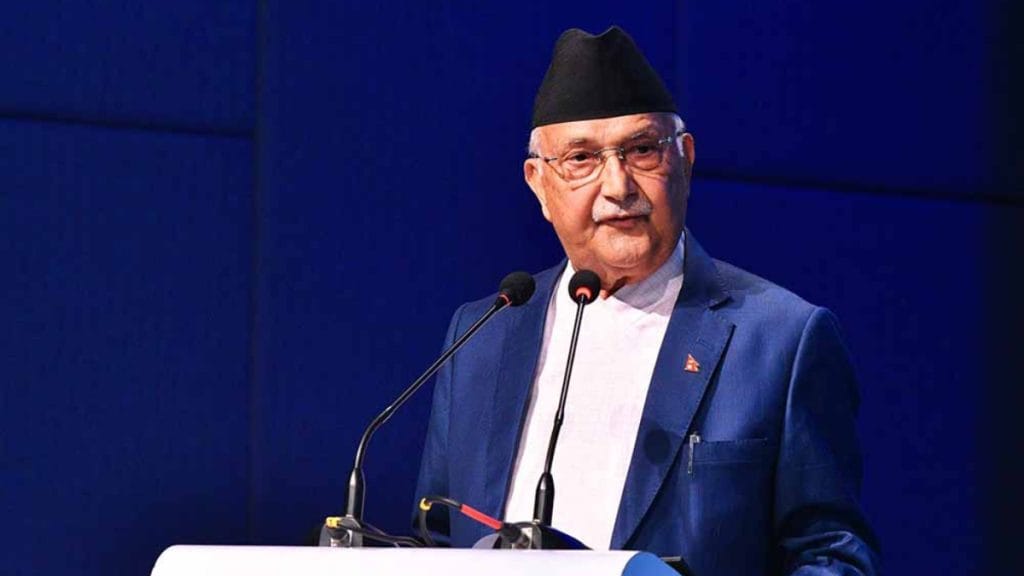
The political consequences are murkier but more telling. The ruling Communist Party of Nepal (Unified Marxist–Leninist), led by K.P. Sharma Oli, has long shown an appetite for centralised control over information flows. A ban on TikTok in 2023 was lifted only after the firm agreed to government demands. The present crackdown is more ambitious, and more brittle. Citizens have already turned to VPNs. Several platforms, such as Viber and TikTok, have complied and remain operational, undermining the supposed uniformity of the policy. Others will soon find grey markets or local proxies. If the goal was to tame the digital commons, the result resembles whack-a-mole governance.
Yet the serious problem is one of credibility. States are entitled to regulate foreign firms operating within their borders. The question is how. Imposing conditions with no plan for graduated enforcement traps the government in a binary logic: escalate or capitulate. Either it maintains the ban and accepts the economic damage, or it relents and concedes the weakness of its own rulemaking. Neither outcome flatters Nepal’s institutional confidence.
The global tech firms are hardly blameless. The refusal of platforms to appoint a local representative—a minimal requirement in most regulatory regimes—suggests a reluctance to submit to accountability in smaller markets. But bad corporate behaviour does not excuse bad governance. Nor does sovereignty equate to silence.
A more sophisticated approach would have drawn lessons from elsewhere. India, confronted with similar resistance from foreign platforms, paired nationalist rhetoric with gradual penalties. The EU’s Digital Services Act enforces transparency and local obligations, but through proportionate disincentives. Nepal has leapfrogged the interim stages, thereby forfeiting both leverage and legitimacy.
The risk now is entrenchment. Once platforms adapt to operating from the shadows, and citizens grow accustomed to digital workarounds, the government loses control over both enforcement and the narrative. Rule of law becomes rule by exception. The very accountability the registration law sought to promote is sapped by the method of its application.
Nepal sits at a geopolitical crossroads, courted by China and India, eyed by donors and watched by investors. A government capable of drafting modern regulation should be equally capable of enforcing it with nuance. Instead it has mistaken the exercise of power for the demonstration of authority.
The summit of digital sovereignty is not reached by banning the trail. ■