
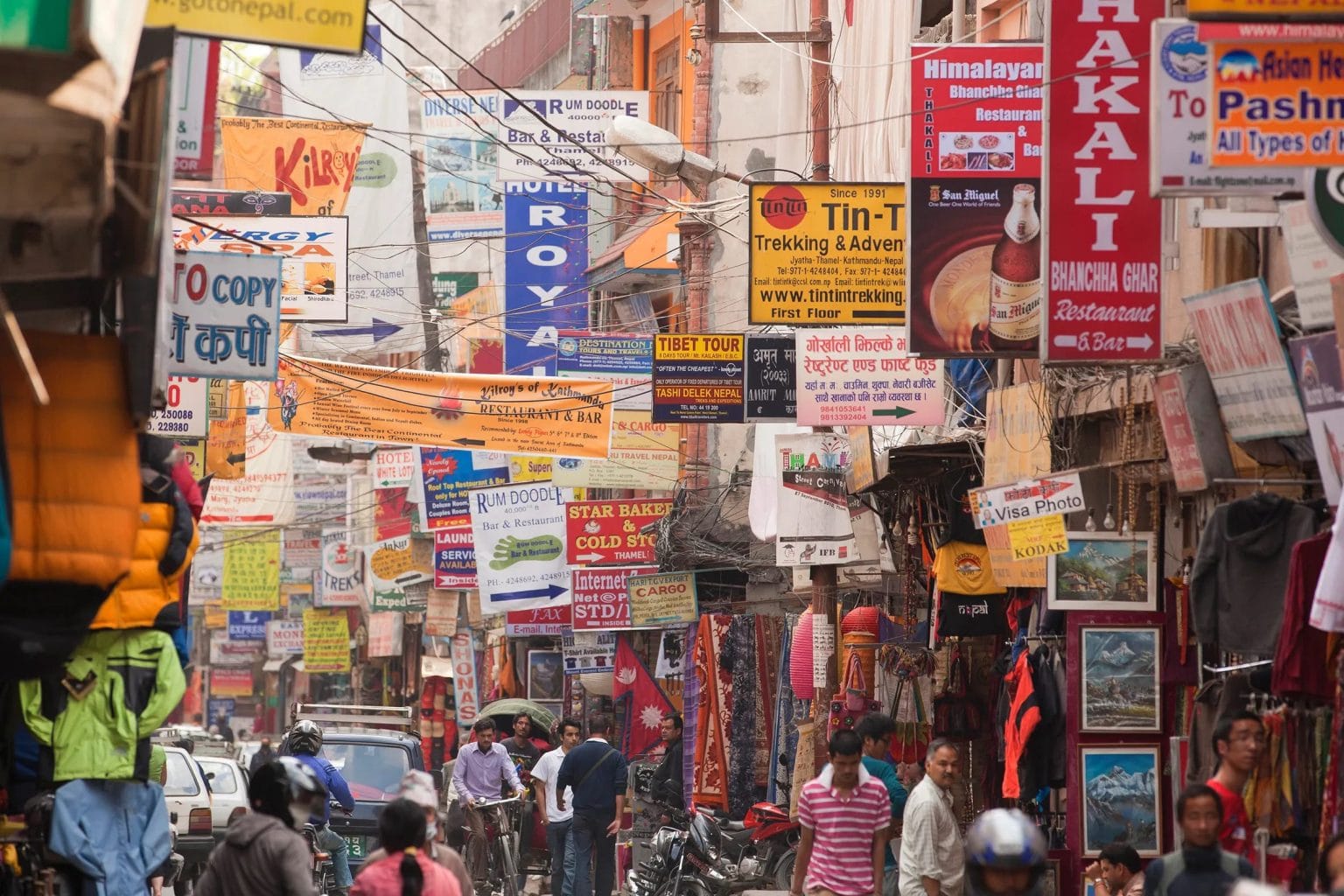
If Dante had visited Kathmandu, he might have added a tenth circle of hell for motorbikes. In 2000 Nepal had just 120,000 registered two-wheelers. Today there are more than 3.8m (roughly one for every ten Nepalis) and three-quarters of urban households own at least one. Cars, burdened by sticker prices and luxury taxes, remain beyond reach. Public transport is sparse and slow. The city moves on humming, honking pragmatism.
The economics are simple. A Honda Shine or Bajaj Pulsar costs under Rs300,000 ($2,200), barely a tenth of a new car. Fuel, though dear by local standards, rarely surpasses NPR 5,000 a month. Loans are pricey (interest rates top 15%) but available. Parking is mostly free, if flagrantly illegal. For a city where time is money and money is short, two wheels are almost irresistible.
Almost. Motorbikes are Kathmandu’s solution and its scourge. They account for more than half of traffic fatalities nationwide. In the valley alone, over 100 riders die each year. Average vehicle speeds have slowed to 12km/h. Erratic parking devours road space. Engines, poorly maintained, belch fumes into an already toxic atmosphere; Kathmandu now ranks among the world’s most polluted cities. Two-wheelers gulp 40% of the country’s petrol, swelling the import bill and draining foreign reserves.
The city is hardly unique in Asia. Hanoi, Jakarta as well as Delhi share the addiction. But peer capitals have learned to mitigate it. Hanoi has pedestrianised historic districts; Jakarta enforces emission norms and creates dedicated lanes. Kathmandu builds flyovers that merely shift congestion from one intersection to the next. Its traffic management seems governed less by policy than by fatalism.
Culture compounds the economics. Bikes are badges of arrival. Rural migrants use them to signal entry into the urban economy. For women they embody independence: in 2023 one in five new buyers was female, up from one in twenty a decade earlier. In a patriarchal society a scooter can be a more potent tool of autonomy than legislation. Royal Enfields confer identity as much as mobility.
Regulation exists largely on paper. Fuel subsidies remain a populist constant. Enforcement is haphazard, fines negotiable. Dealerships, often tied to political networks, resist any policy that might dent sales. Kathmandu’s political economy runs on petrol and pragmatism.
Yet banning bikes would paralyse the city. They sustain the gig economy: ride-hailing, food delivery and courier services. Alleyways too narrow for trucks are traversed daily by two-wheelers ferrying goods. Credit agencies depend on brisk loan turnover, defaults and repossessions. Repair shops and spare-part vendors thrive in a self-managed ecosystem. In effect the motorbike functions as the city’s most efficient public service.
What then to do? Some urbanists call for accommodation rather than prohibition: segregated lanes, rational parking and stricter emissions rules, say. Electrification offers some hope. Nepal’s surplus hydropower could power a green transition. Chinese-made e-bikes are gaining ground, though charging stations are rare and policy coherence elusive.
By 2040 Kathmandu could yet resemble a model of green urbanism: e-bikes gliding through pedestrian zones, a functioning metro absorbing commuters, traffic rules obeyed. Equally plausible is a continuation of present chaos: thousands of petrol bikes weaving, honking, idling through the haze.
Progress here does not glide on rails. It zigzags, sputters, improvises—like the riders who keep the city moving. As one inDrive courier put it, “In Kathmandu, the only traffic rule is: don’t stop.”
In this city, development doesn’t drive. It rides pillion. ■





