Image: Reuters
It began, as such flashpoints often do, with a minor event on the political calendar. The planned arrival of two senior figures including Mahesh Basnet (known for his brash style) from the CPN-UML, a mainstream party, in the town of Simara was supposed to be a brief stop on a “Youth Awakening Campaign”. Instead on November 19th it became the catalyst for confrontation.
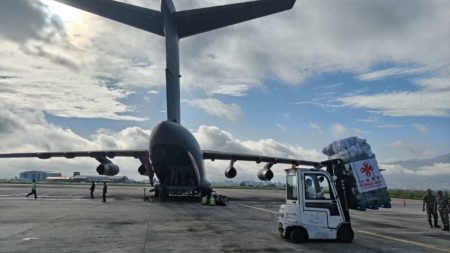
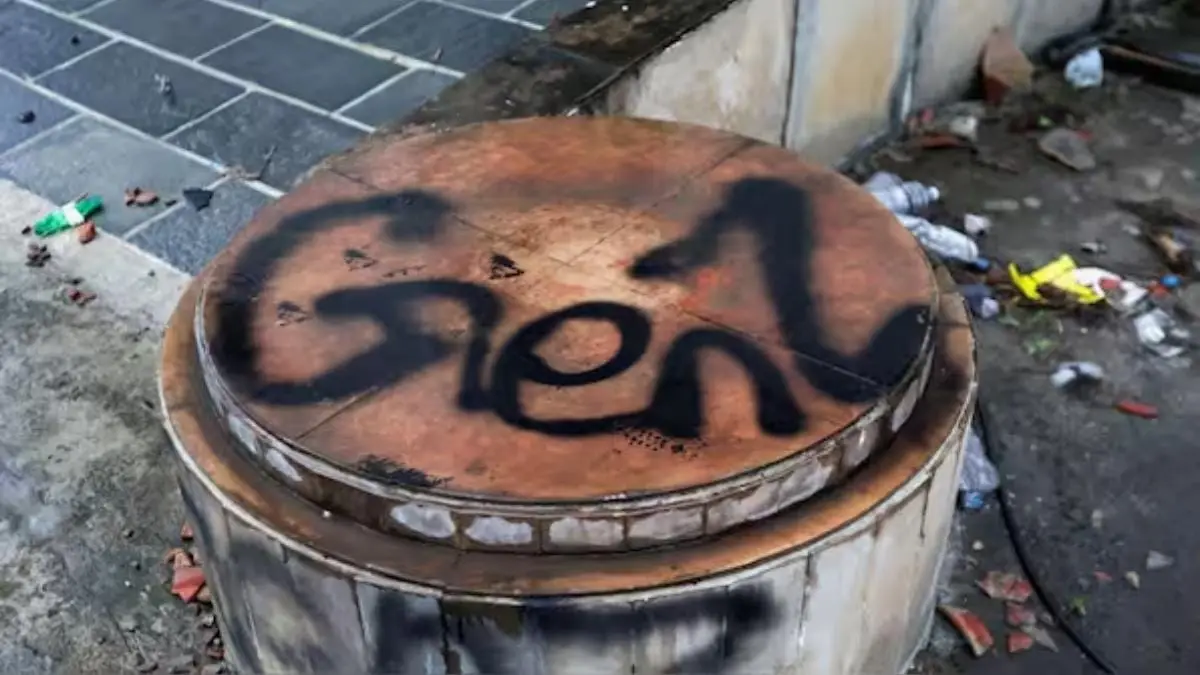
Hundreds of “Gen Z” activists blocked their path. They were angry at what they called the “outgoing murderous government” and the lack of accountability for UML members involved in the September 8th carnage. Clashes with party supporters left six young protesters injured. Police fired tear gas near Simara Airport, stopping flights. Curfews were imposed. A local party visit has now become a national warning sign.
The Simara incident is part of a bigger, more dangerous political crisis in the making. Nepal is stuck in a three-way struggle over what counts as legitimate authority. The caretaker government of Prime Minister Sushila Karki claims its authority from the mandate to hold elections in March, rather than from the constitution. She stepped in after KP Sharma Oli resigned and parliament was dissolved.
The UML, meanwhile, argues its legitimacy comes from the mandate it won in that dissolved parliament. A court is reviewing the dissolution, leaving both sides uncertain. On top of this, a new generation of activists, mobilised after the ouster of Mr Oli’s government, claims a right to lead based on public anger. They demand justice for the deaths and accountability for corruption before they will accept any procedural or electoral solution. No single side commands universal support, and compromise seems distant.
In this tense environment, the usual ways of solving political problems only make things worse. The caretaker government sees elections as the path back to legitimacy. The UML refuses elections unless the old parliament is restored, using the constitution as a political tool. For young protesters, elections are a distraction, letting the political class avoid responsibility. Far from restoring calm, a vote could spark more protests. Nepal’s problems cannot be fixed by ballots alone.
Established parties have responded by fuelling the unrest. The UML mobilised its youth to confront protesters in Simara. Reports suggest Maoist and Madhesi cadres joined, forming multi-party anti-government street alliances. When party rivals, young activists and the state collide, clashes are bound to multiply.
State actions tend to worsen the situation. Curfews in Bara show reactive local authority struggling to prevent escalation. Police using tear gas and force injure protesters and appear biased.Meanwhile arrests of high-profile figures, like the businessman and political rabble-rouser Durga Prasai, risk turning them into “martyrs”. Activist campaigns such as “Arrest Me Too” by Sudan Gurung, a Gen-Z leader, exploit government actions to grow support. Every move by the state seems to strengthen the opposition.
Nepal’s turbulence comes from overlapping crises creating a vicious cycle. A legitimacy crisis weakens institutions. Unresolved September 8th killings spur youth protests. Judicial review of the dissolution blocks clarity. Curfews and clashes fuel violence. And a generational crisis ensures a constant supply of impatient activists. Fixing one problem tends to worsen another.
The caretaker government is trapped. Crackdowns risk violence and loss of legitimacy. Restraint risks empowering opponents and undermining elections. Delaying polls means losing its mandate. Holding elections guarantees disruption from a generation questioning the system itself. No choice is safe.
Simara’s case is a warning. Without a solution that delivers justice and constitutional clarity, elections, usually a fix for political crises, may trigger more unrest. The young are awake, and they are not asking for permission. ■