Photograph: Saumya Khandelwal/WSJ
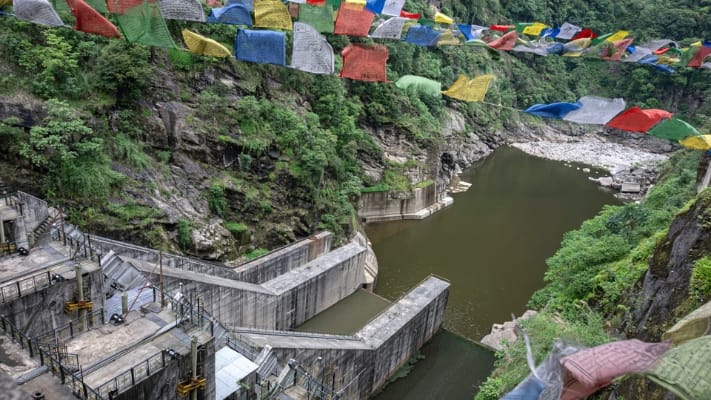
High in the eastern Himalayas, the summer monsoon performs the same elemental drama each year. Torrential rains swell the rivers that race down the steep, forested valleys of Bhutan and Nepal. The water crashes through turbines in hydropower dams, generating a seasonal bounty of electricity. Here, however, the similarity between these two small, landlocked kingdoms ends. For Bhutan the roaring waters have become a strategic asset, converted into a modern form of sovereign wealth. For Nepal they are a reminder of opportunity lost, pouring away unused while the economy stands still.
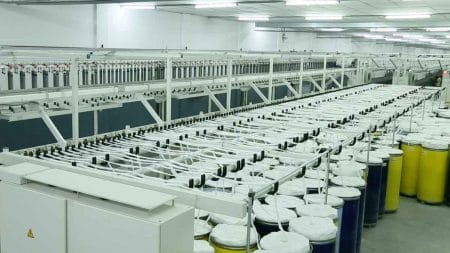
Bhutan’s unlikely export is Bitcoin. Since 2019 the country has mined more than $1.3bn worth of the cryptocurrency, placing it among the world’s top sovereign holders. It is a startling feat for a nation of fewer than 800,000 people, better known for its philosophy of Gross National Happiness than for financial speculation. The mechanism, however, is straightforward. Bhutan’s hydropower plants generate far more electricity during the wet season than its tiny population can use. Rather than wasting this surplus, the government channels it into data centres filled with specialised computers. These machines work to validate transactions on the Bitcoin network, earning new coins and fees in return. The power is clean, the asset is global and liquid, and the earnings are in dollars—a welcome diversification from dependence on the Indian rupee.
Nepal watches this from across the border with a combo of envy and institutional paralysis. Its hydro potential is even greater, with an estimated technical capacity of 43,000 megawatts against Bhutan’s 30,000. At peak demand, Nepal needs less than 2,400 megawatts, and it already generates about 3,500. During the monsoons, the surplus is big. Yet it is largely stranded. The country lacks sufficient transmission lines to move power from the mountains to potential industrial users. Its export agreements with India and Bangladesh are limited and subject to fickle tariffs. So the turbines spin and the excess energy dissipates, unmonetised.
The difference is imagination and institutional software. Bhutan’s foray into crypto-mining is not a libertarian experiment. It is a deliberately orchestrated industrial policy. The project required coordinated action across government agencies and a partnership with Bitdeer, a crypto-mining firm. Jihan Wu, Bitdeer’s chairman and a co-founder of Bitmain, a mining-hardware giant, is helping to build a 600-megawatt facility in Bhutan—capacity that surpasses the country’s entire domestic demand in some months. The operation acts as a “dump load”, a buyer of last resort for surplus green energy that cannot be stored and has no other market. It turns a waste product into a financial asset.
Nepal’s bureaucracy views such innovation with big suspicion. Cryptocurrency is banned outright by the Nepal Rastra Bank, the central bank. Web3 is a buzzword that might as well be a threat. Public agencies, from the Nepal Electricity Authority to the Ministry of Finance, operate in silos, rarely coordinating on strategic opportunities. Energy policy remains transactional, focused on building dams and selling power to the state utility, rather than transformative, seeking novel ways to capitalise on the electricity itself. The prevailing attitude is one of risk aversion, where the fear of scandal comfortably outweighs the hunger for experimentation.
Critics of Bitcoin mining rightly point to its volatility and its environmental footprint when powered by fossil fuels. Yet in Bhutan’s context, these criticisms miss the point. The activity is neither speculative nor dirty: it is a monetisation tool for renewable energy that already exists and would otherwise be wasted. A simple calculation illustrates the scale of the foregone opportunity for Nepal. Dedicating a mere 100 megawatts of surplus monsoon power to mining could generate more than $300m a year at current Bitcoin prices and network conditions. That sum is roughly a fifth of the annual remittances Nepal receives from its migrant workers in Qatar alone—and it would mean not sending a single person abroad.
Admittedly, crypto markets are unpredictable. Prices swing and mining profitability is a moving target. But the opportunity cost of inaction is certain and recurring. Every monsoon that passes without a plan is another year of wasted potential. A state-led pilot, perhaps a joint venture limited to surplus periods and bound by strict green-energy covenants, could test the waters. Other countries wary of crypto’s wilder aspects, including Britain, Singapore and India, have established regulatory sandboxes for precisely this kind of controlled experimentation.
The Himalayan lesson is bigger than crypto. It is about a state’s capacity to think strategically and act with agility. Bhutan decided that the greater risk lay in ignoring a new technology that could leverage its natural advantage. Nepal stays trapped in a defensive mindset, protecting itself from hypothetical dangers while real wealth flows away with the rivers. The water is abundant in both kingdoms. The will to harness it is not. For Nepal the most formidable barrier to development is not a lack of energy, but a surplus of caution. ■