Image via Facebook
EVERY FEW YEARS Nepal reinvents politics by smashing a few old idols and hoisting new ones onto the same wobbly pedestal. The faces change, the slogans freshen, the show looks different. The script, depressingly, stays much the same.
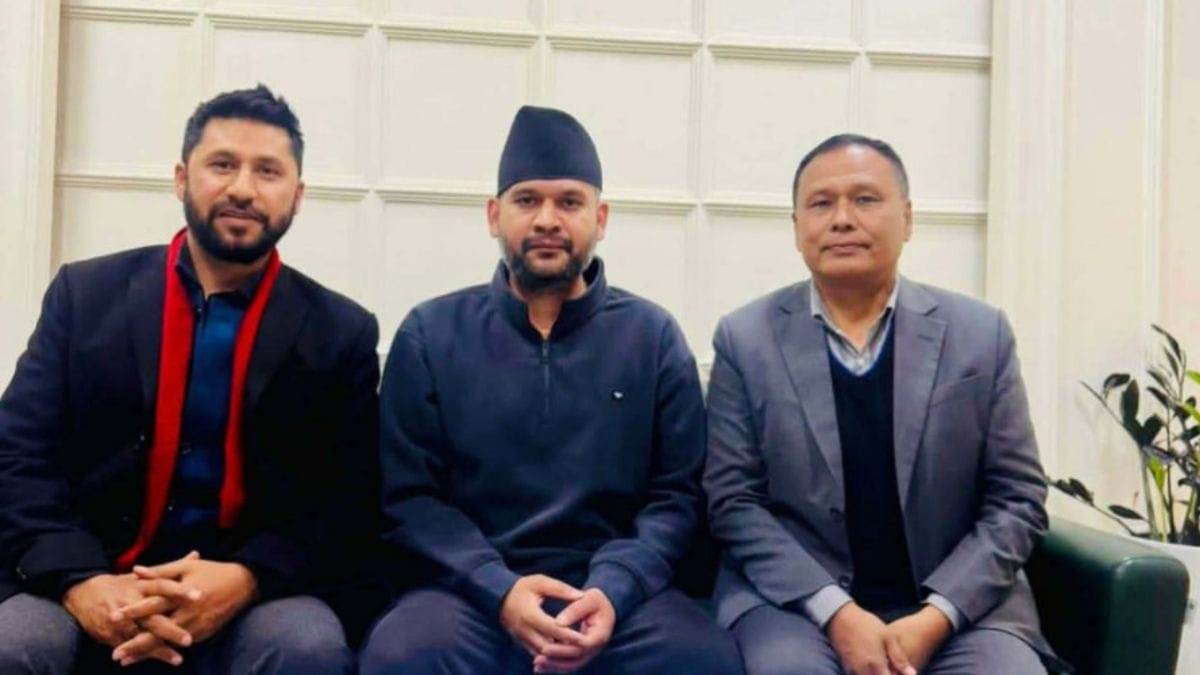
This week’s drama opened with a handshake. On December 28th Rabi Lamichhane, the populist boss of the Rastriya Swatantra Party (RSP), and Balen Shah, Kathmandu’s brooding, rapper-turned mayor, signed a “Grand Unity Agreement”. A day later Kulman Ghising, a celebrated technocrat with a knack for making the lights stay on and the bins get emptied, cut his own deal with the RSP, folding his Ujyaalo Nepal Party into Lamichhane’s party. Nepal’s scattered “alternative” politics, loud but loose, is trying to grow bones.
The timing is no accident. Elections loom in March. The old parties—battle-scarred and widely loathed—are weak but not dead. Outsiders who stay fragmented risk shouting into the void. Consolidation therefore is the new fashion. The RSP wants to look like more than a protest vehicle. Ghising wants power with reach. Shah wants a national stage. Together they hope to channel the trauma of the September protests into a parliamentary majority. Voters, exhausted by drift and decay, want something—anything—that looks like change.
On paper the logic is tidy. Lamichhane keeps the party name, the blue bell symbol and tight control of the organisation. Ghising accepts a vice-presidency, trading his own branding for influence and credibility. Shah stays formally outside but looms large: bridge to urban youth and the understood prime-ministerial face of the alliance. Populism meets technocracy, underwritten by Instagram charisma. What could go wrong? Plenty. Nepal has seen this film before.
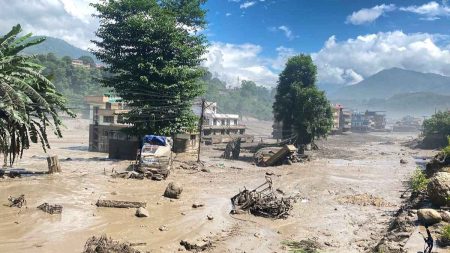
Start with the moment that produced this alliance. In September Generation Z erupted after a clumsy social-media ban exposed something ugly: a state that fails at basics yet lectures its young. Protests spread and seventy-six people died. The prime minister resigned. The vacuum was filled by a technocratic interim government led by Sushila Karki, but the streets remained angry. Such moments are fertile ground for outsiders. They are also dangerous.
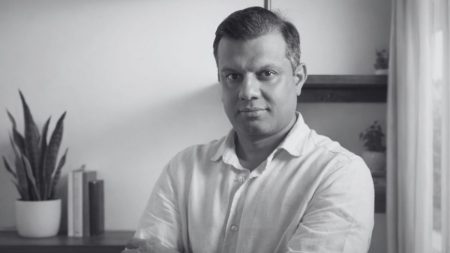
Mr Ghising’s appeal lies in his refusal to rant. His first 100 days in office as minister of three government bodies have been dull, in the best sense. Garbage trucks reached Kathmandu’s landfill after weeks of blockade. Water flowed again from Melamchi. A key trade route to China reopened. Dozens of stalled contracts were torn up. Powerful firms were told to pay their electricity bills or face court. None of this required new money or clever plans. It required will. Voters noticed.
Yet the lesson cuts both ways. Progress depended on a minister leaning hard on the system rather than the system working by itself. That is Nepal’s curse. Competence appears heroic because institutions are weak. Strong men fill the gaps. They rarely build ladders behind them.
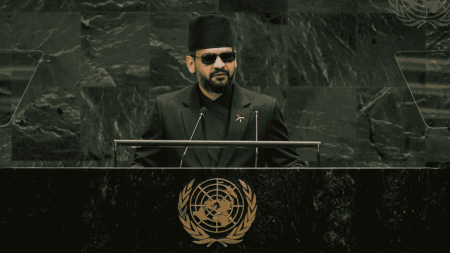
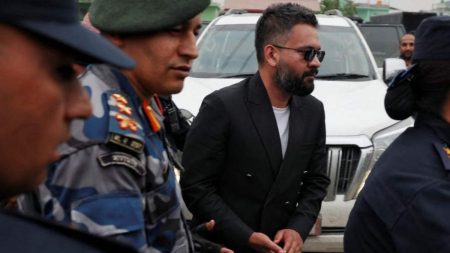
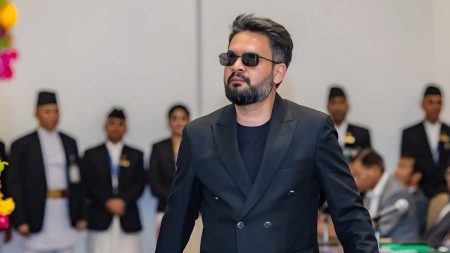
Mr Shah embodies the other pole. He is anger made flesh. He bulldozes illegal buildings, insults judges, picks fights with everyone from street vendors to foreign governments, then retreats into silence. Supporters call it toughness. Critics see illiberal instincts. Both are right. Rage mobilises attention. It does not explain how courts should work or how rights are balanced against order. A mayor can govern by provocation. A prime minister cannot.
Mr Lamichhane sits uneasily between the two. He is a gifted communicator and a born outsider. He is also under legal trouble over alleged cooperative fraud, which makes the alliance useful both ways. He provides Mr Shah a party platform. Mr Shah offers him moral cover. This is politics as barter rather than renewal.
The central promise of the new bloc is a “civilised and change-oriented” force that will deliver meritocracy, clean governance as well as a self-reliant economy. It speaks of a middle-income Nepal within a decade. Fine words. But the document is light on the hardest question of all: how to break the patronage networks that sit beneath every ministry, contract and local office. Bulldozers and contract cancellations thrill crowds. They do not replace systems.
There is also a whiff of old habits. Power is carved up between men while the blood from September’s protests is barely dry. Leadership is split—party president here, prime-ministerial candidate there—in a country where divided authority has repeatedly paralysed governments. The alliance looks elite-driven, stitched together in Kathmandu, not grown from the streets that produced the anger.
The risks go much further than Nepal’s borders. The country is aid-dependent and geopolitically sensitive, wedged between giants. Casual insults by Mr Shah to India, China and Western partners play well on social media. They chill quietly in foreign capitals. Sovereignty is not strengthened by isolation. Nor can a fragile economy afford bravado.
Still, dismissing the project would be lazy. Fragmentation has been the outsider camp’s fatal flaw. Folding technocrats and micro-parties into a single banner may, at last, give voters a real choice beyond recycling the same old faces. The RSP’s willingness to absorb expertise, rather than merely personalities, is new. Mr Ghising’s emphasis on execution over grand promises is refreshing. For a public ground down by drift, that matters.
The test, though, is brutal. Can this alliance turn anger into rules? Can it move from catharsis to competence without sliding into another personality cult? Can it build institutions that survive their founders? History suggests scepticism.
Rage is a magnificent tool for winning an election, but it is a miserable philosophy for governing a nation. The youth of Nepal didn’t die in September for a new set of faces to share the same old spoils. They died for a state that works. Whether this alliance can deliver that, or just a more photogenic version of the status quo, is the great Himalayan gamble. ■