
Image via Facebook
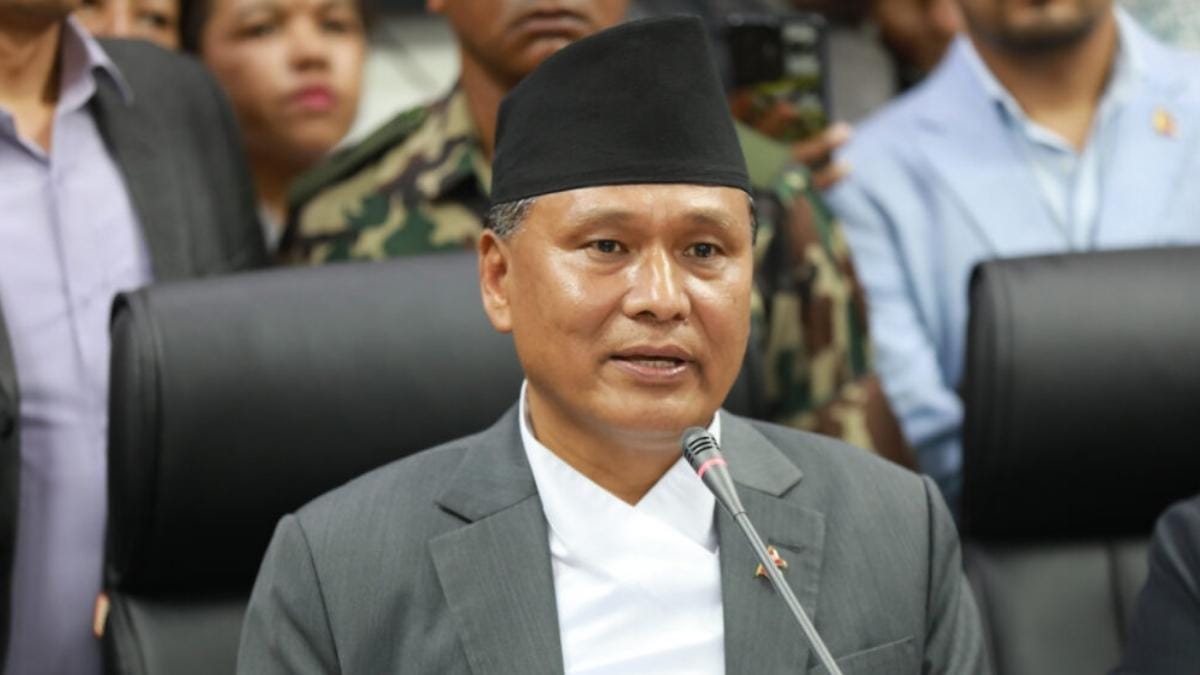
FOR A few months in Kathmandu, the most remarkable thing to watch was the ordinary. Garbage trucks rolled reliably to the Bancharedanda landfill, breaking a paralysis that had left the capital smelling of neglect. Water from the long-stalled Melamchi project actually hissed through taps. At the Chinese border, freight corridors that usually choked on red tape and bribes finally breathed. No new five-year plan or sudden donor windfall: just 115 days of work by Kulman Ghising, a man who operated as a high-velocity janitor for a broken state rather than a conventional minister.
His resignation on January 7th closes a brief and curious chapter in Nepal’s governance. He did not arrive through parliamentary horse-trading. He emerged from the rupture of September 2025, when Gen Z-led protests against systemic corruption and digital censorship turned deadly. Seventy-six people died and the elected government folded. Into the vacuum came an interim cabinet of neutrals, led by former chief justice Sushila Karki, with this mandate: restore the basics and hold elections. Mr Ghising was elected to oversee three ministries: Energy; Water Resources; and Physical Infrastructure and Urban Development.
The speed of his impact was extraordinary. In a few months, he scrapped 66 stalled or fraudulent contracts worth nearly Rs18bn ($135m). He chased chronic electricity defaulters with a zeal that had unnerved politicians. For citizens used to nothing working, just getting things done felt revolutionary.
Mr Ghising falls squarely into the category of crisis managers. Think Mario Draghi in Italy or the emergency administrators who crop up in Latin America after populist collapses. Their power comes from stepping outside politics. They are effective because they do not have to worry about cabinet reshuffles or pleasing donors. They are a high-pressure hose blasting the rusted gears of government.
Yet his exit exposes the core dilemma of the technocratic hero. He did not resign because he failed: he stepped down because success made neutrality impossible. Ms Karki had ordered any minister with electoral ambitions to quit, to protect the interim government’s credibility. As Mr Ghising’s popularity surged, he became too valuable a political asset to stay unaligned. His influence began to warp the very neutrality he was meant to uphold.
The move from administrator to politician is treacherous, though. Mr Ghising has gravitated towards a coalition that includes the Rastriya Swatantra Party (RSP) and Kathmandu’s charismatic mayor, Balen Shah. On paper the “alternative” bloc looks potent: Mr Shah’s performative, social-media-savvy rage; the RSP’s populist energy; and Mr Ghising’s record of getting things done. It is a broad tent for anyone fed up with the old guard.
But politics quickly eats technocratic capital. Once a reformer joins a party, everything they did is read through a partisan lens. The contractor whose project Mr Ghising cancelled is no longer just incompetent; he becomes a symbol for the opposition. Every tough decision becomes a campaign weapon. By resigning Mr Ghising has tried to lock his record at its peak, keeping his ministerial legacy separate from his political ambitions.
The bigger worry is what this episode says about domestic institutions. The state ran for 115 days because one man cared enough to make it run. Garbage moved because Mr Ghising intervened; bills were paid because he refused bribes. This is personal governance, and a fragile substitute for a functioning system. When a state depends on a single person to make it work, it is an empty system pretending to function.
Nepal heads into March elections with voters who have now tasted even a little accountability. The old parties, weighed down by corruption and glacial bureaucracy, will struggle to claim that dysfunction is inevitable. Mr Ghising has offered proof that the state can work if those in charge fear failure more than they fear their political masters.
Whether that proof survives the messy world of coalition politics is another question. In the months ahead, Mr Ghising will have to swap the clarity of ministerial orders for the compromises of campaigning. Cancelling a contract is far easier than holding a coalition together. He enters the political arena for now with the rare distinction of leaving office more popular than when he arrived—a feat almost unheard of in Nepali politics. ■




