IMAGE: JAGDAMBA STEELS
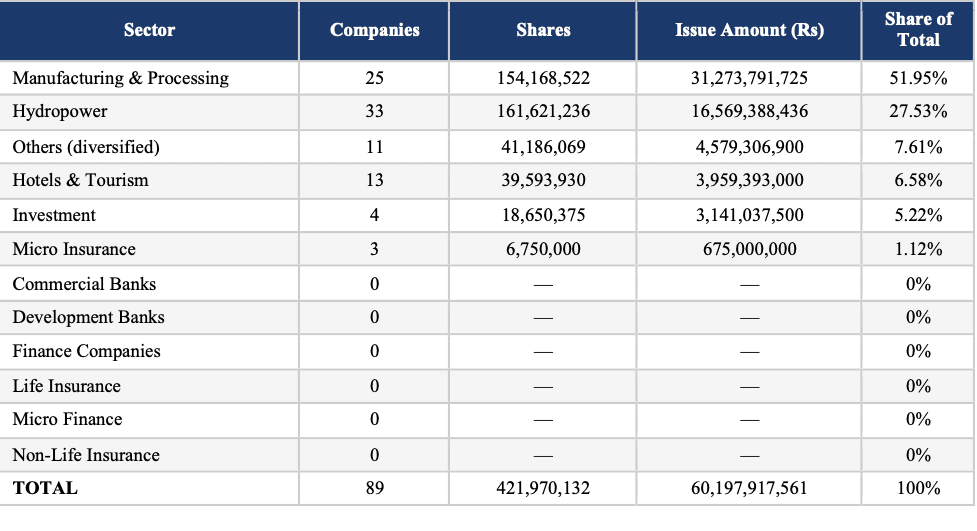
ON THE face of it, Nepal’s capital market is gearing up for a party. Companies hoping to list their shares have submitted applications to the Securities Board of Nepal (SEBON) for 89 initial public offerings, with a combined value of Rs 60.2bn ($414m). That is equivalent to nearly 1% of GDP—a sizable slug of new equity for a bourse that has spent much of the past decade oscillating between euphoria and despondency.
The pipeline, compiled in mid-February, points to a busy 18 months for the country’s army of retail investors, many of whom fund their stockmarket forays with remittance money sent home from the Gulf and Malaysia.
Yet the composition of the pipeline tells a more revealing story than the headline numbers. For this is not a broad-based capital-raising spree. It is, rather, a tale of two economies. In one, industrialists are betting heavily on cement, steel and hydropower, wagering that the government will finally get serious about building infrastructure.
In the other, the entire formal financial sector—development banks, microfinance, finance companies as well as insurers—has gone missing. Not a single IPO application has been filed by any of them. The absence is so complete it cannot be coincidental. It is a symptom of balance-sheet distress and a signal that financial intermediaries are in no shape to ask the public for fresh cash.
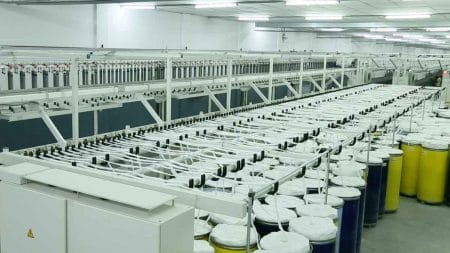
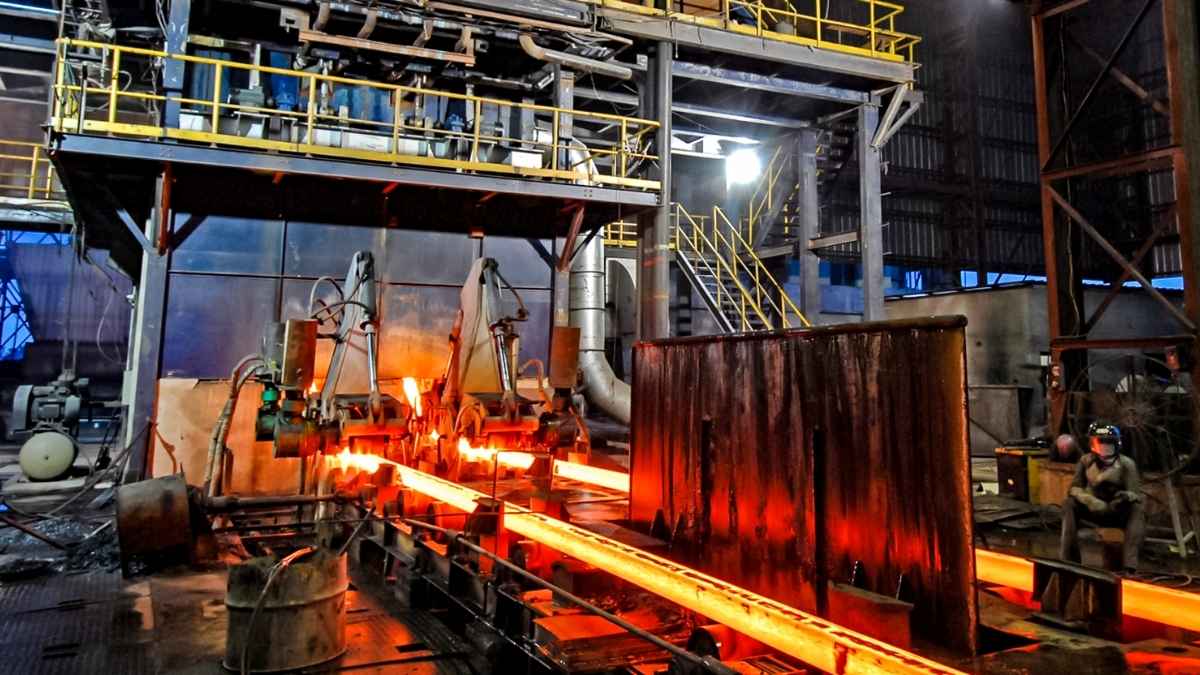
Start with the industrials. Manufacturing and processing companies account for more than half the pipeline’s total value, some Rs31.3bn (see table). Seven of these are premium-priced offerings, meaning promoters are asking investors to pay well above the standard par value of Rs100 per share. Jagdamba Steels, the largest IPO in the entire pipeline, is seeking Rs6bn at a premium of Rs300. Maruti Cements wants Rs4.4bn at a Rs377 premium.
The logic is this: cement and steel are tied to construction, and construction is tied to government capital spending. But that spending has been anaemic for years, falling from 6.8% of GDP in 2016-17 to just 3.6% today. Promoters are effectively betting that the fiscal taps will open. If they are wrong, a lot of expensive cement will sit unsold.
Hydropower is the other dominant theme, with 33 companies hoping to raise Rs16.6bn. Here the pipeline’s heterogeneity is its most important feature. Some projects have been generating electricity for years, with commercial operation dates as far back as 2017. These are effectively infrastructure assets with proven cashflows. Others have no commercial operation date at all—they are pre-revenue construction projects asking the public to fund their completion. Siuri Nyadi Power, the second-largest IPO overall at Rs3bn, falls into this camp. Investors are being asked to back a dam that does not yet exist.
Hotels and tourism, the third-largest sector by company count, carry their own baggage. At least four of the 13 applicants are re-appearing after being told by regulators to rebuild their balance sheets until net worth per share exceeded Rs90. The pandemic hammered Nepal’s hospitality industry; many hotels accumulated losses that made them ineligible to list. Now they are back, but every one of them is priced at par. Promoters are in no position to demand a premium. Two internationally branded properties—a Ramada Encore and a Holiday Inn Express—are in the mix, offering franchise credibility but also royalty obligations that will nibble at earnings.
Then there is the miscellaneous category, labelled “Others”, which contains some of the pipeline’s most exotic fare. Chhaya Devi Complex, a real estate project, is demanding a premium of Rs400—the highest in the entire pipeline and five times par value. Kailash Helicopter Services wants a Rs327 premium. Dish Media Network, a cable and broadcasting firm, is seeking nearly Rs2bn at par. The dispersion of valuations and business models in this cohort is so wide that no generalisation applies, except one: due diligence will matter enormously.
The contrast between the real economy’s promoters, who are placing ambitious bets, and the financial sector’s silence could hardly be starker. It suggests that Nepal’s growth story, such as it is, will be carried by factories and power plants, not by financial institutions that intermediate deposits into loans. That is a plausible narrative—the country’s infrastructure needs are real, and remittance-fuelled household liquidity is ample—but it also carries risk.
If the government’s capital spending does not revive, the cement and steel IPOs will land in a market with weaker demand than their pricing assumes. And if the hydropower projects without commercial operation dates encounter construction delays or hydrological disappointments, the retail investors who subscribed to them will learn a hard lesson about the difference between an asset and a promise.
A final source of concentration risk lies in the hands of the issue managers. Nabil Investment Banking alone is handling eight mandates with a combined value of nearly Rs22bn, more than a third of the entire pipeline. Its roster includes Jagdamba Steels, Maruti Cements and three other premium-priced manufacturing giants. Should Nabil encounter personnel upheaval or simply the logistical strain of bringing so many large deals to market simultaneously, the pipeline’s rhythm could be disrupted. Other managers are busy too: NIMB Ace Capital, NMB Capital and Himalayan Capital each carry significant books.
None of this means the pipeline will fail. The interest-rate environment has turned favourable, with deposit rates down to 4.2% from nearly 8% two years ago, making equities more attractive relative to bank savings. Remittance inflows hit a record Rs1.7trn ($12.5bn) last year, and some portion of that will find its way into IPO applications.
But the pipeline’s composition is a reminder that Nepal’s financial system is not yet firing on all cylinders. The banks that should be channelling savings into productive investment are instead managing bad loans and seized assets. The companies that are listing are doing so not because the financial sector is vibrant but because it is not. For now the equity market is being asked to do the heavy lifting of funding industry and energy. Whether it is up to the task will depend on the earnings those companies deliver once the listing ceremony is over. ■