IMAGE: NEPAL NEWS
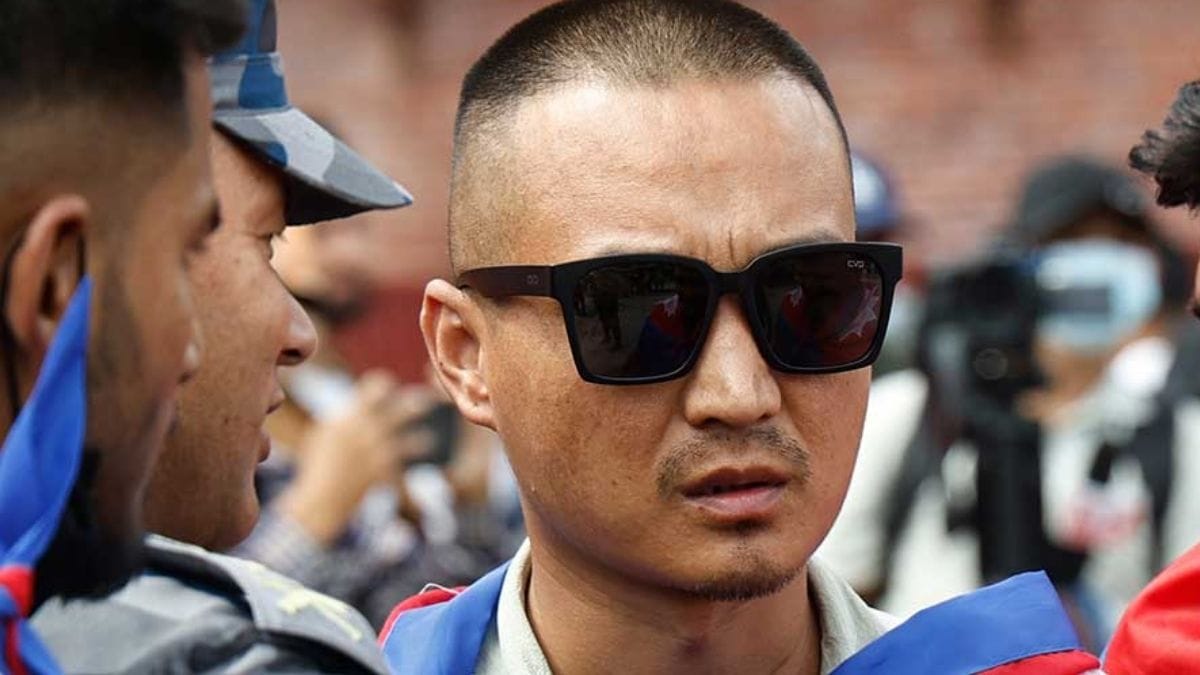
WHEN SUDAN GURUNG stood among the protesters in September, he was not a politician. He was a coordinator, a voice, a man who had built a career on stepping in where the state had failed. The state, that September, failed catastrophically. Seventy-six people died. Police fired live rounds into crowds. The uprising that followed swept away an old government and, in time, brought a new one to power.
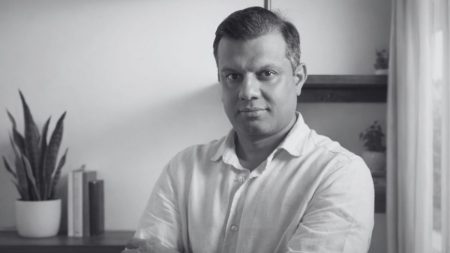
Now Mr Gurung has been appointed home minister. The man who helped lead the movement against the security forces is their new master. That is either a recipe for reform or for bitter reckoning. The truth will be told in the next ninety days.
Mr Gurung’s appointment is the most consequential personnel decision of Nepal’s new prime minister, Balendra Shah. Both men are outsiders. Mr Shah is Kathmandu’s former mayor and a rapper. Mr Gurung is a former event manager and DJ who turned to disaster relief after the 2015 earthquake, building a volunteer network, Hami Nepal, that became a parallel state during crises. When the Gen Z protests erupted last September over a ban on social media and corruption, that network became the backbone of the street movement. Mr Gurung coordinated routes, logistics, even back-channel negotiations with the army. When the old prime minister fled, Mr Gurung was at the table.
That history is now a burden. The Karki Commission, whose report was leaked this week, has recommended criminal prosecution for the previous prime minister and home minister over the September killings. Mr Gurung’s mandate—the reason he is in office—is to deliver what the protesters demanded: justice. The home ministry controls the police, who investigate such cases. If he fails to act, his own supporters will abandon him. If he acts with haste, he will unite the old guard against the new government. Either way something breaks.
The odds are stacked against him. Mr Gurung has never run a ministry. The ministry is a leviathan: police, border security, immigration, intelligence. He will inherit a bureaucracy that has spent decades learning how to outlast reformers. His own party, the Rastriya Swatantra Party, is a coalition of outsiders whose internal power dynamics are still settling. The party chair, Rabi Lamichhane, escaped from prison during the September riots—a fact documented in the Karki report. As home minister, Mr Gurung will command the prison system that once held his own party leader. That is not a relationship built for easy governance.
Then there is the wider politics. The old parties—the Communist Party of Nepal (UML), the Nepali Congress, the Nepali Communist—are in opposition. They will resist any prosecution of their leaders as political persecution. They have the lawyers, the expertise and the time to drag cases out for years. India and China, watching from the wings, will prefer stability over accountability. Neither has a stake in a home minister who might reopen old wounds.
Mr Gurung’s strengths are the ones that got him here. He has a street-level legitimacy that no previous home minister has possessed. He communicates directly with Nepal’s digitally mobilised youth, a constituency that will not let him disappear into the bureaucracy. He has a prime minister who backs him. But his weaknesses are the mirror image. He has never managed anything larger than a protest. His political identity is built on confrontation and not coalition. And his credibility is hostage to a single promise: that the men who ordered the shooting will answer for it.
The next three months will decide him. If he files a first information report against the former leaders, he signals intent. If he replaces the old police patronage networks with something cleaner, he signals seriousness. If he handles a new protest with restraint, he signals that he is not just another minister who shoots first. Each of these moves will be watched—by everyone from the protesters who brought him to power and the security forces who fear change to the old parties waiting for him to stumble.
Nepal has had reformers before. Most have been swallowed by the institutions they sought to change. Mr Gurung is different only in the size of the expectation placed upon him. He is the first home minister whose political survival depends on making his own ministry answer for its crimes. That is a terrifying position for a 37-year-old with no administrative experience. It is also, perhaps, the only position from which real reform is possible.
If he succeeds, Nepal’s experiment with outsider politics will have earned its first victory. If he fails—if the prosecutions stall, if the police stay unreformed, if the old impunity returns—then the movement that brought him to power will turn on him. And rightly so. A home minister who cannot deliver accountability is just another politician in a long line of them. That is a luxury Mr Gurung cannot afford. ■