IMAGE: GETTY IMAGES
IN LATE APRIL meteorologists from nine countries gathered in Malé, the Maldivian capital, for the South Asian Climate Outlook Forum, an annual ritual that usually attracts modest attention outside weather-service circles. This year’s verdict was blunt: the June-to-September monsoon across most of South Asia would come in below the long-term average, with the weakest rainfall concentrated over the central swathe of the subcontinent that includes much of India’s grain belt.
The cause is a familiar one. El Niño, the periodic warming of the central Pacific that reliably disrupts monsoon circulation, is expected to develop through the season, while the Indian Ocean Dipole, a second and less famous climate driver, is shifting from a neutral state into the positive phase that tends to compound the dryness rather than offset it.
India’s own forecasters have since put numbers on the worry. The India Meteorological Department expects cumulative seasonal rainfall around 817 millimetres, some 6% below the long-period average, with a one-in-three chance of conditions serious enough to qualify as drought and a four-in-ten chance of rainfall falling below normal. Nearly half of India’s farmland depends on the monsoon, with no irrigation to fall back on, which is why a shortfall that sounds modest in percentage terms translates quickly into real anxiety over sowing dates nd rural incomes. The IMD’s own May briefing did not soften the framing, warning explicitly of “increased risks of drought, heat stress, and pressure on drinking water resources” layered on top of the rainfall deficit itself.
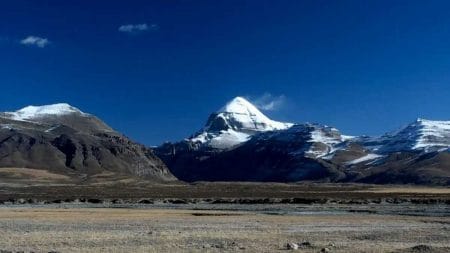
What makes this year’s outlook awkward, rather than simply gloomy, is that “below average” is not the same thing as “evenly disappointing”. The same climate models pointing to drought across central India and Pakistan also point to above-average rainfall over Jammu and Kashmir, Himachal Pradesh and the northeastern states including Sikkim, the steep, landslide-prone terrain where too much rain falling too fast does the most damage.
Forecasters tracking landslide risk this season have flagged exactly this combination as the one to watch: a monsoon that disappoints on national average while still dumping intense, localised bursts onto hillsides that cannot absorb them. As if to prove the point in real time, India’s weather service was issuing warnings of heavy to very heavy rainfall over the sub-Himalayan belt and Sikkim in the final week of June, even as the seasonal outlook for the country as a whole remained below normal.
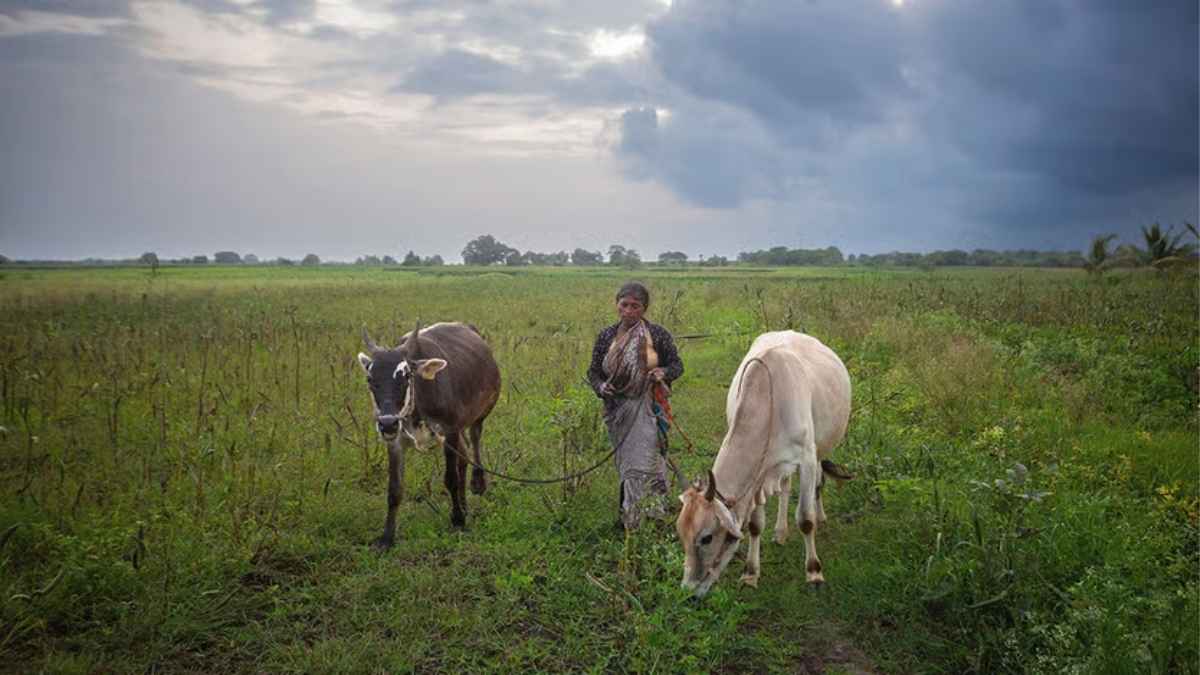
That unevenness is the real story for agriculture, more than any seasonal average could capture. Crops do not care about a national rainfall percentage; they care about whether rain falls during the narrow windows when seeds need to be sown and roots need to take hold. A weak start to the monsoon delays planting. A long dry spell in the middle of the season forces farmers to draw down groundwater and diesel-pump irrigation they cannot always afford. A monsoon that arrives broadly on time but unloads itself unevenly, generous in the hills and stingy on the plains, can damage a harvest just as badly as one that fails outright, through worse timing rather than less total water.
The knock-on effects reach well beyond the rice paddy. The same WMO briefing that flagged the agricultural risk explicitly named hydropower generation as a vulnerable sector, a warning with particular weight for Nepal, which has staked its entire industrial strategy on cheap, abundant electricity from its rivers.
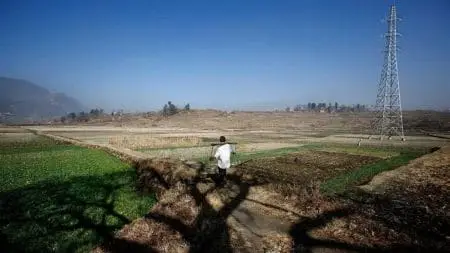
Nepal’s own farmers are already living a small preview of the wider pattern: drought during the rice-transplanting season in the southern plains in mid-2025 cut paddy output by more than 4% even before the main monsoon arrived.
Pakistan and northern India face a different but related threat, heatwaves arriving before or during breaks in the rains, which raise health risks for outdoor workers when humidity is at its worst.
Bangladesh and eastern India sit at the other end of the same uneven distribution, watching for flood risk even within a season that, on paper, is forecast to disappoint.
None of this guarantees catastrophe. Seasonal forecasts carry real uncertainty, the IMD’s own model allows a margin of error of several percentage points either way, and South Asian agriculture has absorbed difficult monsoons before without the food crises that early anxiety sometimes predicts.
What the forecast does guarantee is a season that will reward no simple narrative. Farmers, water planners and power utilities across nine countries are being asked to prepare simultaneously for drought and for flash flooding, for a shortage of water in one valley and a dangerous excess of it in the next one over. A monsoon that cannot decide what kind of bad weather to bring is, in its own way, tougher to plan for than one that fails. ■