IMAGE: BIKRAM RAI
BANKS IN NEPAL had Rs8.51trn ($63bn) in deposits on October 11th. Their outstanding loans totalled Rs6.07trn. Despite having ample money to lend, they sat on an estimated Rs1.56trn in surplus loanable funds. The credit-to-deposit ratio, which measures how much of their deposits banks have converted into loans, stood at 70.79%, well below the regulatory ceiling of 90%.
The problem has become a familiar stench. Nepalis working abroad send home money, households dump it in banks and lenders struggle to find businesses willing and able to borrow. The Nepal Rastra Bank (NRB), the central bank, has slashed interest rates to encourage lending. The average lending rate at commercial banks fell to around 6.38% by mid-September, according to its latest figures. Yet cheaper money has failed to produce a convincing investment boom.
Some improvement has crawled in. Banks extended an additional Rs133bn in credit between mid-July and October 11th, over four times the Rs30bn increase in the same period a year earlier. The composition stinks. Import financing, vehicle purchases, share-backed loans and festive-season stockpiling drove the increase. Industrialists say demand for large productive loans remains pathetic. A bigger loan book does mean a bigger productive economy.
The sectoral figures expose the mess. In the first two months of the current fiscal year, lending to manufacturing increased by 1.9%, according to NRB data. Credit to construction grew by 3.7%, while agriculture lending fell by 2.2%. Consumer lending increased by 0.2%. These are changes in outstanding credit, zero the total amount banks have lent to each sector. They suggest the recovery in borrowing is uneven, with industries that employ workers and produce goods struggling to gain momentum.
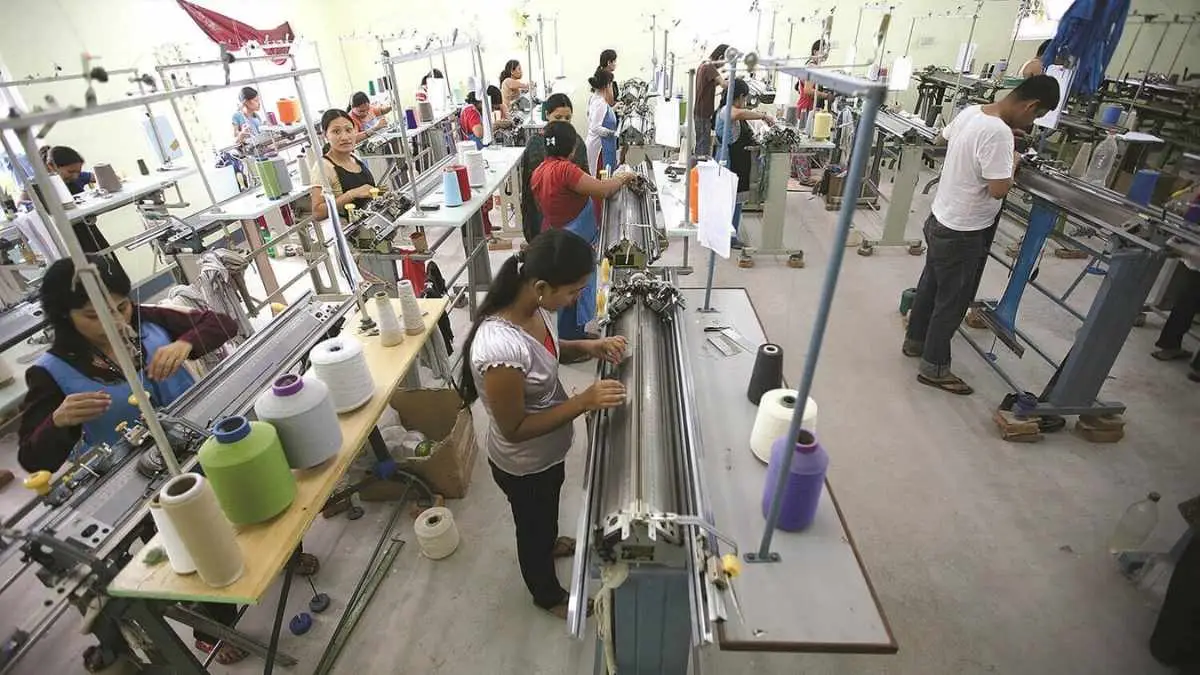
The trend was already obvious in the previous fiscal year. Industrial lending reached Rs1.78trn by mid-January, accounting for roughly 31% of total bank credit. Yet factory capacity utilisation averaged just 42.11%, down from 42.94% a year earlier, according to an NRB survey. New industrial registrations also fell. Manufacturers had borrowed money, but much of their machinery sat idle.
Banks have reasons to be gutless. Nepal’s gross non-performing loan ratio reached 5.7% by mid-July, its highest recorded level, according to the World Bank’s October Nepal Development Update. Bad loans have spread across major categories of financial institutions. Agriculture, construction and small businesses have faced particular pressure. A bank that has already lent to a struggling factory has little appetite to finance its expansion.
The central bank’s priority-lending rules have added another complication. Commercial banks must allocate at least 10% of their loans to agriculture and at least 20% collectively to designated sectors including energy, tourism, information technology and small businesses. Another 5% must go to deprived sectors. The requirements are meant to direct credit towards activities commercial lenders might otherwise overlook. They also create pressure to meet lending quotas even when borrowers lack the income, management or market access needed to repay.
Agriculture shows the difficulty. It is a priority sector yet its loans account for a substantial share of the banking system’s bad debts. Banking disclosures up to mid-April showed agriculture and fisheries accounted for about 23.5% of non-performing loans. Construction accounted for another 10.5%, with wholesale and retail trade contributing 10%. Expanding credit through regulatory orders can compensate for weak farm productivity, poor storage, uncertain prices or inadequate transport.
The way banks assess collateral also favours established property owners over entrepreneurs. By mid-September, 62.8% of outstanding bank credit was secured against land and buildings. Only 15.6% was backed by current assets such as agricultural produce and other goods. A manufacturer with machinery, inventory and promising orders may struggle to obtain a loan if he lacks valuable land. A property owner can often borrow against an asset that has little connection with productive activity.
This preference has consequences. Nepal has a large population of small businesses, but many operate with limited capital and weak financial records. They need loans for machinery, stock and working capital, the money required to pay suppliers and workers before customers settle their bills. Banks often find such lending harder to assess than a loan secured by land. The result is a financial system that can finance ownership more comfortably than enterprise.
The distinction between productive and unproductive lending is also less straightforward than it appears. Import financing can supply factories with raw materials and machinery. Vehicle loans can support transport businesses. Construction credit can create employment and infrastructure. The problem arises when credit finances imported consumption or rising asset prices without increasing the economy’s capacity to produce.
The latest figures offer little evidence of a decisive change. The World Bank estimates private-sector credit increased only marginally, to 95.9% of GDP in FY2026 from 95.7% a year earlier, despite lower interest rates and abundant liquidity. Economic growth slowed to 3.9% from 4.4%. The central bank has set an 11% credit-growth target for the current fiscal year, below its previous target of around 12%.
Banks cannot manufacture viable businesses by lowering interest rates. Nepal cannot build a productive economy if its financial system relies so heavily on property collateral and established borrowers. Better credit information, reliable land and asset records, stronger insolvency rules and more transparent financial statements would help lenders assess businesses on their earnings rather than their buildings.
For now Nepal’s banks have money to spare. The country has considerably fewer businesses ready to turn it into new factories and jobs. ■