IMAGE: THE KATMANDU JOURNAL
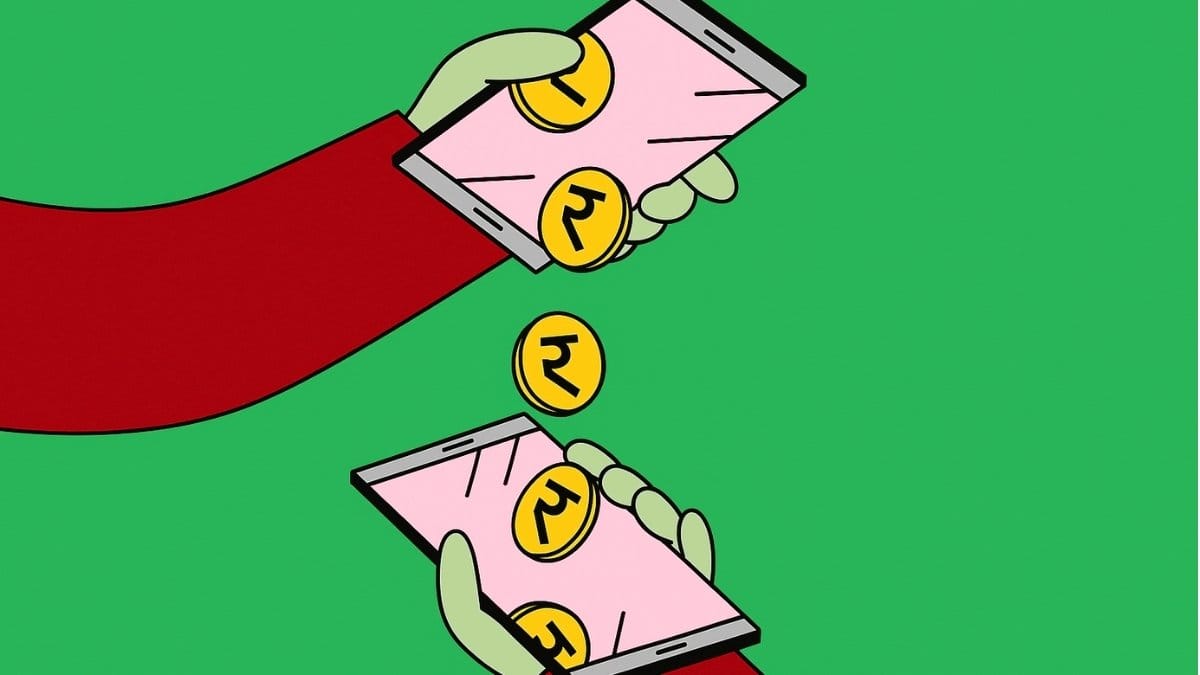
THE NEPAL Rastra Bank has temporarily jacked up the number of times people can load money into digital wallets from ten to 50 a day during the Tihar and Chhath festivals. The change, running November 7th to 15th, aims to push digital payments, including the traditional cash gifts known as dakshina. Even the central bank knows that shoving Nepalis’ money onto their phones is a hell of a lot easier than getting them to spend it there.
The payment revolution has charged ahead fast. In the fiscal year ending July 2025, the value of QR-code transactions hit Rs958bn ($7.1bn), up 92% from the previous year, according to the Nepal Rastra Bank. Their number climbed 93%. Around 2.9m merchants had QR payment facilities. Mobile banking processed Rs5trn in transactions over the same period. The country has acquired much of the infrastructure of a modern payments economy.
Yet the gap between owning a digital account and using it to pay for everyday stuff is enormous. The World Bank’s Global Findex survey, based on interviews conducted in 2024, found that just 47% of Nepalis who owned financial accounts made or received digital payments. The corresponding figure hit 54% in India, 78% in Bangladesh and 90% in Pakistan. Across Nepal’s adult population, a pathetic 28% made or received a digital payment.
The divide slices through households. Only 22% of Nepali women used digital payments, against 35% of men. Among the poorest 40% of the population, the share was 22%, versus 32% among the wealthiest 60%. Owning a bank account has become far easier than making it part of everyday economic life.
The supply of QR codes remains a minor obstacle. By 2025, 4G services had reached 749 of Nepal’s 753 local administrative levels, according to the central bank. Around 76% of Nepalis owned a smartphone. Fonepay, the country’s largest payment network, connects more than 1.7m merchants to digital payments. A customer can scan a code at a neighbourhood grocery shop or restaurant. The ugly question is what happens to the money afterwards.
Small businesses run on cash. They need physical money to pay workers, buy stock and settle accounts with suppliers. A shopkeeper who receives payments digitally may still have to withdraw the proceeds to replenish inventory. Cash-out services, travel to an ATM and time spent reconciling transactions all bleed costs. A QR sticker becomes another payment option without changing the underlying business.
A 2025 study by the International Finance Corporation (IFC) found Nepal had around 923,000 micro, small and medium-sized business establishments, contributing about 22% of GDP. Their ability to use digital financial services matters because these firms drive a big part of the country’s economic activity. The study also documents an instructive example: customers at a small shop run by Pooja Chudali sometimes ask her to exchange their digital wallet balances for cash. The shop accepts digital payments yet cash still serves as the exit door.
This creates a commercial nightmare for payment companies. A merchant QR code is cheap to distribute, but getting a business to use it regularly requires a reason beyond convenience. Fonepay and rival providers scrap for users and merchants, while banks and wallets seek to turn payments into a wider range of services. The strongest incentive may come from credit.
Digital transactions create records of sales that cash rarely leaves behind. Banks can use these records to estimate a small business’s income and offer loans without relying entirely on property as collateral. Foneloan, for instance, has extended digital lending to small businesses using merchant QR transactions. Nabil Bank, Laxmi Sunrise Bank and NMB Bank have also developed lending facilities linked to QR payment histories. For a business with little property to pledge, a reliable record of daily sales could become valuable collateral of a different kind.
Such records are only as useful as the transactions they capture. A shop conducting half its business in cash will have an incomplete digital history. Banks could consequently underestimate its earnings and offer less credit than its actual business warrants. Moving payments online could improve access to finance, but the cash trade surviving alongside them limits the benefits.
The Nepal Rastra Bank is trying to tackle the wider mess. It published a five-year fintech strategy for 2026/27 to 2030/31 and has established a Digital Finance Innovation Hub to help new financial businesses engage with regulators. The National Payment Switch is also being developed to make domestic payment systems work together and reduce duplication. Cross-border QR arrangements have begun connecting Nepali merchants with India’s UPI and China’s UnionPay and Alipay networks. These links could make digital payments particularly useful for tourism and trade.
The next test is less beautiful than building another payment platform. It is getting a grocer to pay a wholesaler digitally, a dairy cooperative to transfer money to farmers and a small business to obtain credit from its sales records. Until money can travel through those transactions without repeatedly turning into banknotes, Nepal’s digital economy will keep dragging a massive cash shadow behind it. ■