IMAGE: INDIA’S MINISTRY OF FOREIGN AFFAIRS
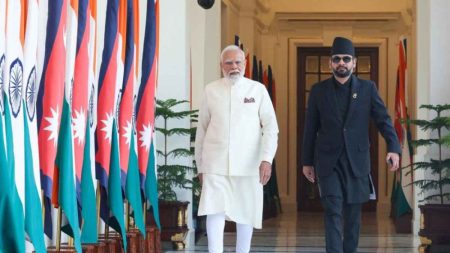
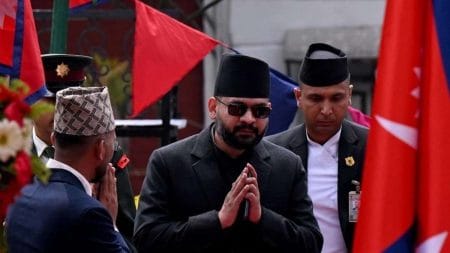
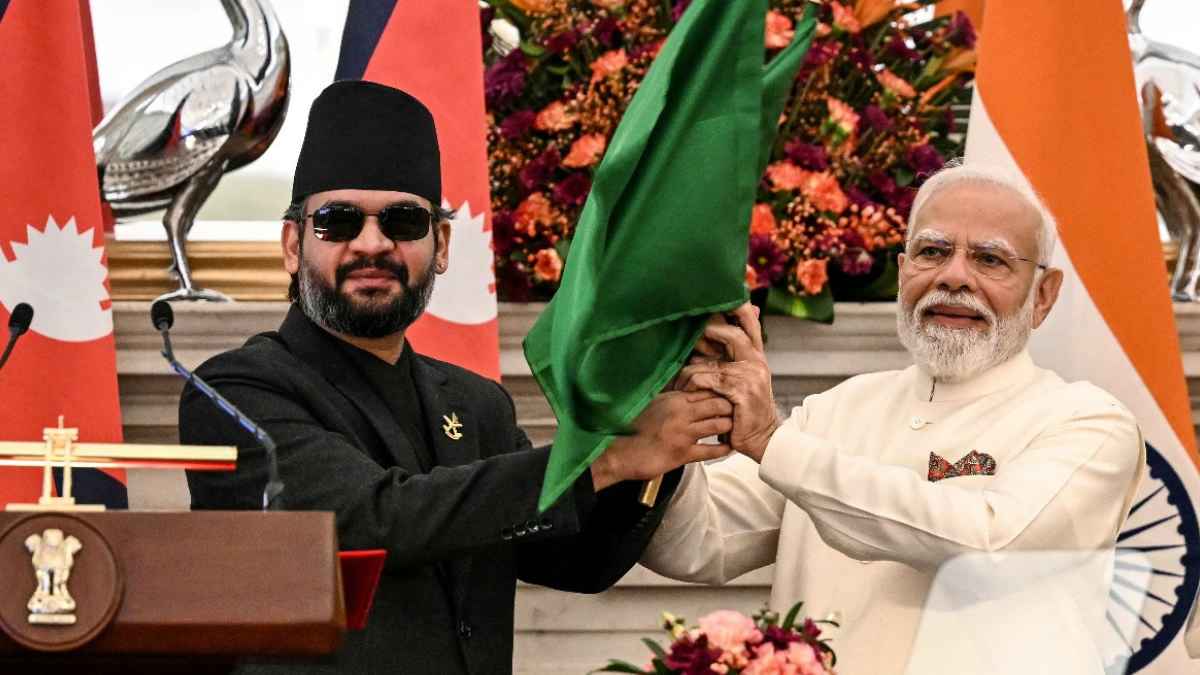
FOR MONTHS Nepal’s new prime minister kept foreign diplomats at arm’s length. Balendra Shah had snubbed meetings with Indian, Chinese and American envoys after taking office, and swore off foreign travel for a year. His visit to New Delhi on November 22nd and 23rd marked a spectacular U-turn. Narendra Modi gave him a ceremonial welcome, held private talks and announced a fat package of assistance. The two leaders looked desperate to bury a rotten period.
The practical results were substantial. India offered 15,000 crore rupees (about $1.62bn) in development assistance—3,500 crore in grants and 11,500 crore in credit for energy projects. The package includes support for reconstruction after the devastating Rasuwa-Bhotekoshi floods, which killed 1,500 people and left more than 5,200 missing. Nepal reckons rebuilding wrecked infrastructure will cost about $5bn.
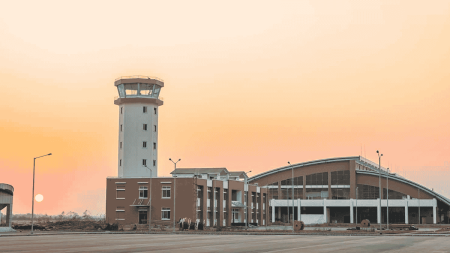
The agreements also covered trade as well as transport and energy. India agreed to make the Kathmandu-Bhairahawa-Lucknow air route bidirectional, hand Nepal access to the ports of Kandla and, once infrastructure is ready, Paradip, and push forward work on cross-border railways and transmission lines. The two leaders laid the foundation stone for the 669MW Lower Arun hydropower project. They also agreed to accelerate talks on the long-delayed Pancheshwar multipurpose project.
For a landlocked country, these are practical gains. India is Nepal’s largest trading partner; its principal transit route for much of its overseas commerce; and a major market for its electricity. Better access to Indian ports and airspace can hit Nepal’s economy far faster than grand declarations about strategic autonomy.
The visit also showed the limits of what Kathmandu could extract. Nepal has long begged for extra international air-entry points, particularly through Mahendranagar, to shorten flights arriving from the west. That request produced bugger all. The two sides agreed on the Bhairahawa route while further proposals got kicked into technical discussions. The longstanding border dispute also got zero political settlement. The joint statement ordered officials to work on outstanding boundary issues while offering zero breakthrough on the contested areas.
The chasm between what was announced and what will be delivered stinks. Much of the financial package is credit, zero grants. Its value will hinge on the projects selected, the terms of lending and the speed of implementation. Nepal has swallowed ambitious promises about railways, hydropower and border infrastructure before. The Pancheshwar project, for instance, has been chewed over for decades. A foundation stone is a hell of a lot easier to lay than a functioning power plant.
India’s renewed attention to Nepal comes as China has expanded its economic and diplomatic presence. Chinese trade with Nepal has more than tripled over the past decade, driven largely by exports of electronics and electric vehicles. Beijing has also invested in infrastructure, education and health, and is building relationships with the new ruling Rastriya Swatantra Party. A delegation of 20 ruling RSP lawmakers began a visit to China on November 15th, following invitations from the Chinese Communist Party.
For Nepal, relations with China offer alternatives to dependence on India. The Belt and Road Initiative, cross-border infrastructure and access to Chinese markets have all featured in Kathmandu’s efforts to widen its options. Geography sets brutal limits. The Himalayas make trade with China more difficult and expensive than trade across the open border with India. Nepal cannot replace its southern neighbour as its main commercial gateway simply by signing agreements with Beijing.
India, meanwhile, has reasons to stop Chinese economic influence from becoming political leverage. The relationship has been damaged by the 2015 blockade, which many Nepalis blamed on New Delhi, and by disputes over territory. India denies responsibility for the blockade. Its response to this year’s floods, followed by the large reconstruction package, gives it an opportunity to rebuild trust. Reuters reported Indian aid disbursements to Nepal were more than four times China’s in the 2024-25 fiscal year.
Shah’s government therefore faces a brutal calculation. It needs Indian investment, energy markets and transit access. It also needs Chinese capital and a foreign policy that retains public support at home. Nepal’s nationalist politics, which have often drawn strength from suspicion of Indian influence, make close engagement with New Delhi politically sensitive. Treating China as a counterweight can create expectations Beijing may be unwilling or unable to meet.
The answer will look nothing like equal distance from both powers. Nepal’s interests differ across sectors: India is indispensable for transit and much of its trade, whereas China offers another source of investment, infrastructure and diplomatic support. The United States, Japan and multilateral lenders also have roles to play. A diversified foreign policy is possible, provided projects get chosen on commercial and national grounds, financing stays transparent and rules for foreign investors stay consistent.
Shah’s visit has reopened channels with India. It has also made clear that diplomatic warmth cannot settle every dispute or turn credit lines into completed infrastructure. Nepal can bargain with both its neighbours. Its leverage will depend less on how skilfully it plays one against the other than on how effectively it uses the opportunities each provides. ■