Image via Atlantic Council
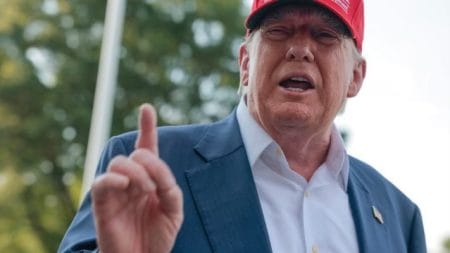
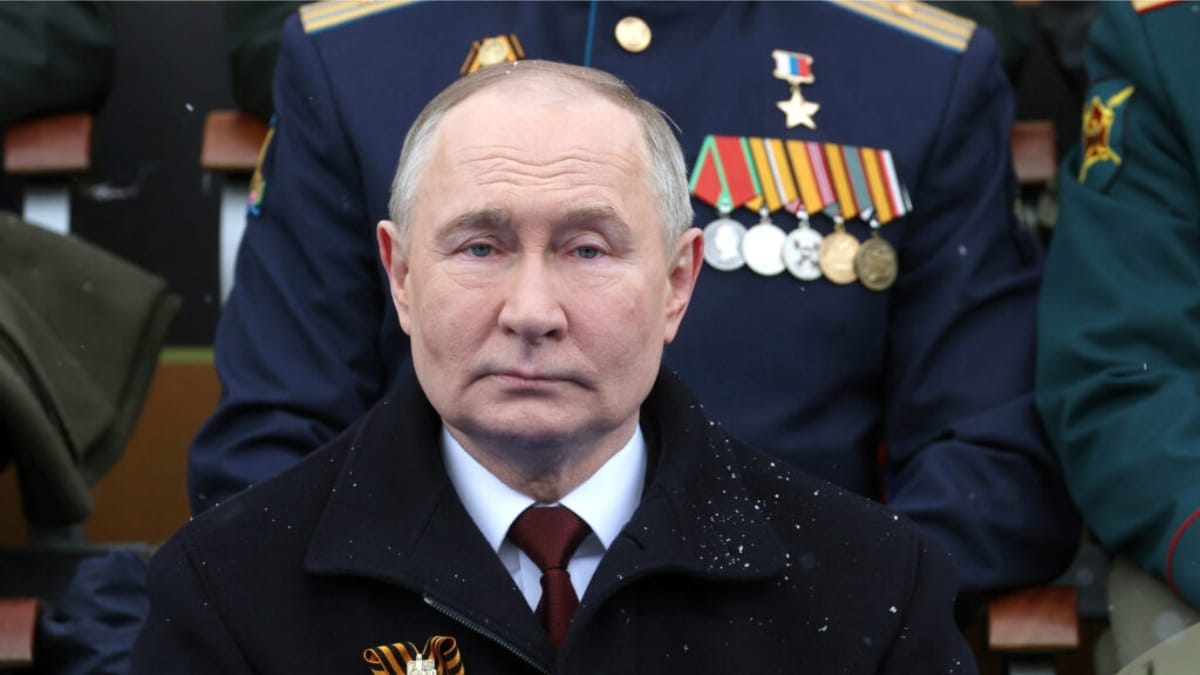
Trump warned Russia of new sanctions and deployed nuclear submarines, escalating pressure on Moscow to end the war in Ukraine. After his envoy returned from talks in Moscow, Donald Trump said he would soon meet Vladimir Putin and Volodymyr Zelensky. Russia’s deputy security chief, Dmitry Medvedev, called Trump’s warnings “a step towards war”. In response Trump ordered American nuclear submarines into “appropriate regions”.
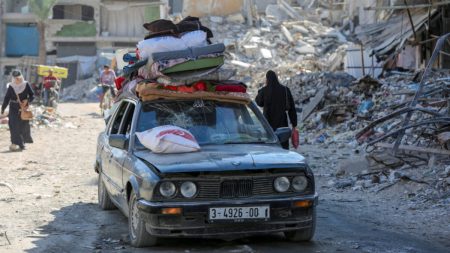
Israeli security chiefs urged Trump to push for a ceasefire in Gaza, arguing military objectives have been met. In a letter signed by over 600 former generals, Mossad and Shin Bet heads, they called for hostilities to end so a deal for hostage release can proceed. Gaza’s health ministry reported 40 Palestinian deaths this week, including ten shot near Israeli-aid backed relief centres. Hamas offered to coordinate with the Red Cross, conditional on humanitarian access and pauses in air strikes.
Norway’s government ordered its sovereign wealth fund to review investments in Israeli firms tied to the Gaza war. The $1.9trn fund came under scrutiny after reports it increased holdings in a firm servicing Israeli warplanes. Prime Minister Jonas Gahr Store said he was “very worried” by the revelations. The decision signals growing European institutional unease with the conduct of Israel’s military campaign.
Brazil’s supreme court placed Jair Bolsonaro under house arrest for violating a social-media ban during his coup trial. The former president, a close Trump ally, has denied the charges. The ruling comes amid worsening diplomatic ties with the United States. Last week Trump imposed 50% tariffs on Brazilian goods, citing political persecution of Bolsonaro and warning of further punitive measures if his prosecution proceeds.
America’s president dismissed the head of the Bureau of Labour Statistics after weak jobs data and publicly pressed the Federal Reserve to cut rates. Lars Klingbeil, Germany’s finance minister, criticised Trump’s actions as institutional interference ahead of a meeting with Treasury Secretary Scott Bessent. The episode has sparked worries in Europe about the politicisation of American economic agencies and the autonomy of the Federal Reserve.
Australia awarded a $6.5bn navy frigate contract to Mitsubishi Heavy Industries as part of Indo-Pacific rearmament. The deal, Japan’s biggest foreign defence order to date, will strengthen bilateral defence ties amid growing concern about China’s regional posture. Canberra said the vessels would be equipped to counter submarine threats. A final contract is expected by 2026, with delivery scheduled for the early 2030s.
Bangladesh’s interim leader, Muhammad Yunus, announced elections for February following the student-led ouster of Sheikh Hasina. The government has banned Hasina’s Awami League and committed to a neutral electoral commission. Western governments had pressured Dhaka to outline a political transition.
Azerbaijan began exporting gas to Syria via Turkey to restore power in war-hit areas. The deal will support the restart of several Syrian power plants capable of supplying electricity to 5m homes daily. The move signals Azerbaijan’s rising regional energy diplomacy beyond Europe.
South Korea dismantled propaganda loudspeakers along the border with North Korea in a conciliatory move by President Lee Jae-myung. The speakers, which broadcast K-pop and anti-regime messages, had symbolised deteriorated relations under Lee’s predecessor. The dismantling suggests a pivot towards thawing inter-Korean ties. No reciprocal gesture from Pyongyang was reported.
India recorded over 100 people missing in flash floods in Uttarakhand, as climate shocks intensified across Asia. Japan logged record temperatures, reaching 41.8°C in Isesaki, while Hong Kong experienced its highest August rainfall since 1884. The spate of weather extremes raises pressure on Asian governments to upgrade disaster preparedness and accelerate climate adaptation infrastructure.
Rabi Lamichhane, Nepal’s former home minister, requested release from pre-trial detention in a fraud and money laundering case, offering NPR 109.9 million as restitution. Lamichhane, who leads the Rastriya Swatantra Party, was re-arrested after a higher court revoked his earlier bail. He says the case is politically driven. The Rupandehi District Court is assessing whether his financial offer and claim of political targeting justify release. The decision may influence how Nepali courts handle corruption cases involving public figures, amid a trend of defendants invoking political persecution to challenge legal proceedings. ■