
IMAGE: AFP
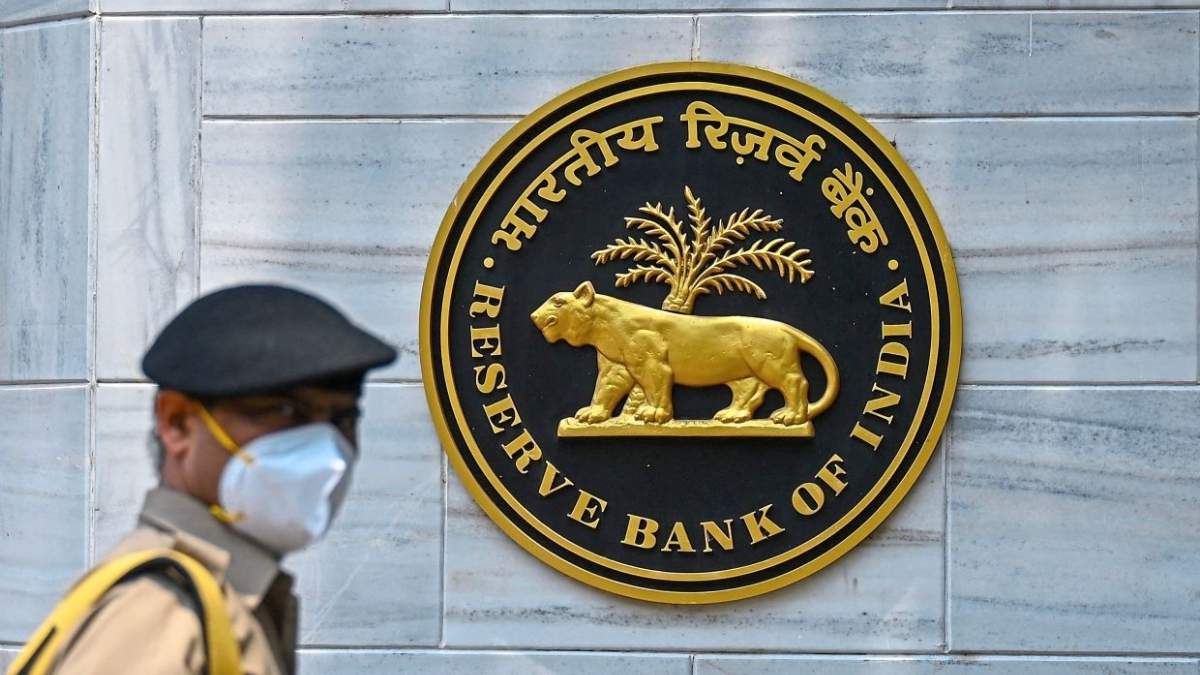
A CURRENCY’S REACH is a fair measure of a country’s economic stature. America’s dollar is used everywhere; the euro dominates its neighbourhood; China’s yuan is making inroads. India, which the International Monetary Fund expects to become the world’s third-largest economy within three years, is now testing its own currency’s potential. The Reserve Bank of India (RBI), the country’s central bank, is taking compelling steps to promote the rupee’s use in international trade. The project is ambitious. It is also necessary.
The rupee is today a minor actor on the world stage. It does not rank among the top 20 currencies in global payments. Fully 89% of foreign-exchange transactions involve the American dollar—against less than 2% for the rupee.. This dollar dominance adds cost and complexity for Indian firms. A transaction with, say, Indonesia is typically priced in dollars, adding a costly intermediate step. It also leaves India’s economy more exposed to global financial shocks. Promoting the rupee for trade is a long-term strategy to slim down these vulnerabilities.
The RBI’s approach is technical and pragmatic. It is establishing official reference rates for currencies of key trade partners, such as the United Arab Emirates’ dirham and Indonesia’s rupiah. These benchmarks will then allow banks to quote prices for the rupee directly against these currencies, bypassing the dollar. The central bank is also permitting Indian banks to extend rupee-denominated loans to borrowers in neighbouring Bhutan, Sri Lanka and Nepal. Furthermore, it is expanding the range of Indian assets that overseas holders of rupees can purchase, including corporate bonds. The end goal is to make the currency more useful for trade and investment.
Also read: Nepal is drowning in foreign reserves—and starving for infrastructure
This is not a new ambition. India articulated its desire to “internationalise” the rupee three years ago. Speaking at the 90th anniversary of the Reserve Bank of India on April 1st last year, Narendra Modi, India’s prime minister, told the RBI to focus on making the rupee more accessible. And in August last year the country made its first rupee payment for oil, to the Abu Dhabi National Oil Company.
But recent pressures have added urgency. The rupee has been one of Asia’s worst-performing currencies this year, buffeted by foreign outflows and high American tariffs. While the RBI has intervened to support it, broader structural demand would provide more durable strength. The government of Narendra Modi sees a more credible global currency as part of its goal to make India a developed nation by 2047.
The strategy builds on India’s growing web of trade agreements. The country has signed deals with more than a dozen partners and blocs, including recent ones with Britain and Australia. Officials are inserting rupee-settlement clauses into these negotiations, aiming to knit together a network of rupee use, beginning with natural allies. The effort is framed as fostering a “multi-currency” world rather than waging a campaign for “de-dollarisation”. Indian policymakers insist they have no desire to challenge the dollar’s dominance, a diplomatic distinction they are keen to maintain.
A widely used currency confers big advantages. Strong foreign demand lowers borrowing costs for domestic firms (just ask American businesses), sparing them the need to raise funds in other currencies. It also shields exporters and importers from exchange-rate swings, since fewer conversions are needed, and allows the government to hold smaller foreign-exchange reserves.
Yet for all its logic, the path is steep. A reference rate is an official yardstick, but it does not create a market. Banks will only trade new currency pairs if there is sufficient demand, liquidity and tools to hedge against volatility. India’s financial markets, though deepening, may not yet be ready to support a truly global currency. Full internationalisation would probably require the rupee to be more freely convertible, a step the authorities have long resisted for fear of losing control over capital flows.
The world’s reliance on the dollar is a high barrier. It is the default currency for commodities and the preferred haven in a crisis. China has struggled for more than a decade to boost the yuan’s global role (it still accounts for under 4% of international trades made via SWIFT, a payments network, outside the euro zone). India starts from a much lower base. Its endeavour to globalise the rupee is a worthy one, born of its growing economic weight. But it is a project that will be measured in decades, and the rupee’s journey abroad has only just begun. ■





