
IMAGE VIA FACEBOOK
BEGIN WITH a greeting to the nation’s mothers, fathers, brothers and sisters. Invoke the spirit of the people and the memory of past sacrifices. Promise a land where every citizen has food, shelter and dignity. This is how the Nepali Congress, the country’s oldest political party, chooses to present its latest pitch to the electorate ahead of the March 5th poll. It is a vision document, released with great fanfare, that sketches a Nepal transformed: prosperous, dignified and just.
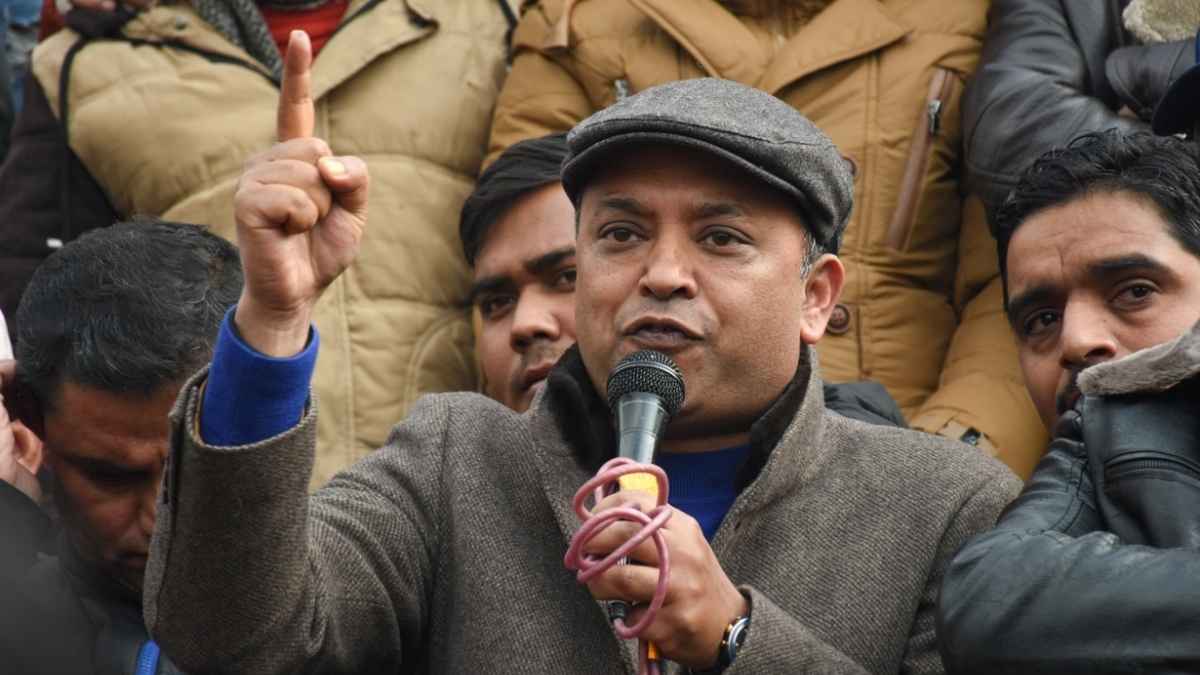
The ambition under the newly-elected president, Gagan Thapa, is sweeping. The party pictures a country where a citizen’s identity is safeguarded and self-respect is secure, where a young person dares to dream of a future at home rather than employment in the Gulf. It imagines an economy that backs the investor and values the labourer, where a farmer’s toil earns access to global markets for Nepali goods. Healthcare would be a right, rather than a path to destitution. Education would stand as the nation’s foremost investment, rather than a financial strain on a family. The rule of law would be blind, free from the political interference that clogs the courts and saps morale in the police. Nepal would be modern, connected and proud of its identity, its passport a token of respect worldwide.
- Kathmandu’s celebrity mayor wants to run Nepal. Can he win?
- How an RSP victory could turn democratic renewal into a grab for power
They amount to a diagnosis of the country’s gravest ailments. Nepal is losing its young to foreign labour, a crisis that enriches families through remittances while hollowing them out through absence. Its politics are frequently paralysed by the very infighting the Congress document implicitly condemns. Its bureaucracy can resemble a maze, where a simple permit calls for saintly patience and a sinner’s bribe. The promise of federalism, enshrined in the 2015 constitution, is still unfinished with power and resources stubbornly concentrated in the centre.
That is the difficulty. The Nepali Congress has held power, or a share of it, through much of the country’s modern history. It helped design many of the systems it now pledges to overhaul. The vision of a farmer-centred Nepal is laudable yet agricultural productivity stagnates as young people abandon the plough. The dream of digital, corruption-free governance is intoxicating, though the party’s own cadres face frequent accusations of sustaining the old order of patronage and commissions. To read the document is to be reminded of what Nepal could become; to scan the headlines is to see what it still appears to be.
The party’s leadership recognises this gulf between aspiration and delivery. The text itself concedes past weaknesses and vows to put them right. But the route from a ten-point plan to a transformed nation is littered with the debris of earlier manifestos. The real test sits in execution rather than imagination. It calls for a party to look inward, as well as cleanse its own stables and build the capable, impartial institutions it describes. It means informing a loyal supporter that their son will fail to secure a government job just because the party holds office, that the rule of law applies equally to them.
This internal overhaul forms the unspoken second act of the vision. A party that has governed as a broad church, accommodating every sort of interest, must now act as the agent of its own restraint. It must become the force that halts political meddling in the police and the universities, even when such meddling serves short-term advantage. The vision’s pledge of a “self-respecting Nepal that earns global respect” depends entirely on this.
For the moment the document achieves its immediate aim. It furnishes the party with a narrative and a banner around which to rally. It casts the Nepali Congress as the party of hope and the future, an antidote to the cynicism that pervades public life. Yet a manifesto is judged by its results rather than its pledges. The question hovering over the golden prose is this: does the party that wrote it possess the resolve to carry it through? If it falls short the document will stand as another finely crafted portrait of a country that never came to pass. ■




