PHOTOGRAPH: ADNAN ABIDI/REUTERS
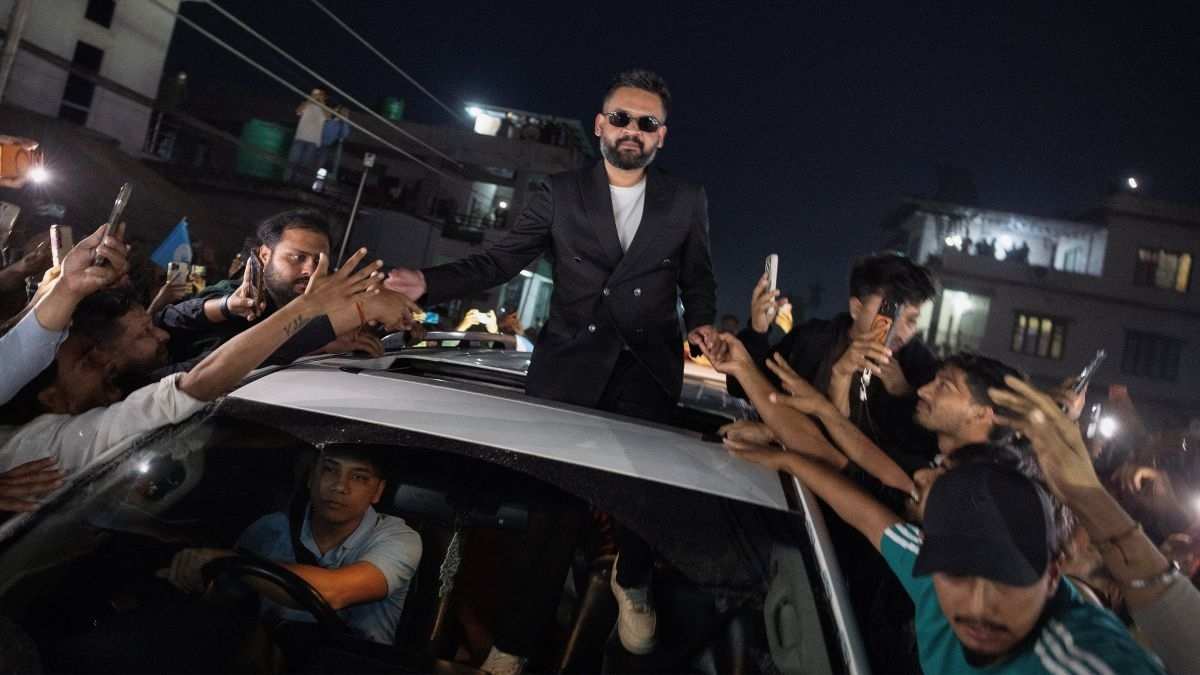
ON MARCH 5TH Nepal did something it had not managed since 1959. It gave a single party a near-supermajority mandate. The Rastriya Swatantra Party (RSP) swept into power on a wave of disgust with the old dynasties, winning enough seats to govern alone. For a country that has shuffled through 13 prime ministers in 15 years, that counts as a revolution.
The truth is uglier. Nepal has spent those years perfecting a distinctive form of stagnation. Growth has plodded along at about 4%, driven not by domestic industry but by remittances from millions of young migrants. Foreign direct investment last year scraped in at $53m, about 0.12% of GDP, the lowest in South Asia. The capital budget, already too small, gets spent at barely 60%. Roads are still unpaved, power lines unbuilt and hydropower largely undeveloped. The country has become a remittance collection agency with a flag.
The RSP’s manifesto promises to double the economy, in nominal terms, to $100bn from $42bn within five to seven years. That would require annual real growth above 7%, more than double the recent trend. The private sector, which produces 81% of output, is cautiously hopeful. The party’s hundred-point plan is specific where previous manifestos were vague: hydropower licensing reform; digital payment gateway expansion; a clean-up of the cooperative banks that have stolen billions from small savers. It even talks of a directly elected executive, a constitutional change that would end the parliamentary musical chairs.
Yet hope collides with reality. To strike $100bn, Nepal must more than double its investment rate to Rs2.2trn a year. Domestic banks hold more than Rs7trn in deposits, much of it idle. The private sector could mobilise perhaps Rs600bn of that. Public capital spending, if execution rose to 85%, might add another Rs170bn. The remaining Rs1.4tn must come from abroad, which means FDI needs to jump to $1.5bn or more. That is not impossible. It is, however, a leap.
The core obstacle is institutional. Nepal’s civil service has spent decades learning to resist. It absorbs reform impulses the way sand absorbs water. The RSP has never governed; it has no ministers with experience; no relationships with the bureaucracy; and no track record of turning manifestos into outcomes. Its 100-day plan—cooperative clean-up, asset investigations as well as constitutional consultation, among others—will be the first test. If even two of those commitments are substantially delivered, the confidence premium that instability has suppressed for 15 years will begin to flow. If all stall, the window will close faster than it opened.
Then there is the world. Nepal depends on India for 65% of its goods and for grid connectivity to export the hydropower it hopes to generate. The Middle East, where 1.7m Nepalis work, could erupt and cut remittances overnight. LDC graduation in November will strip away preferential trade terms and concessional aid. The RSP’s private-sector-led model is the right response to that structural shift, but it calls for execution that no previous government has demonstrated.
The irony is that Nepal’s macroeconomic foundations are unusually solid. Foreign reserves cover nearly 2 years of imports. Inflation is below 4%. The banking system is awash with liquidity. The stability dividend alone—the growth suppressed purely by political uncertainty—is worth perhaps a percentage point of GDP a year. For the first time since the 2015 constitution, the conditions for transformation exist.
They will not exist forever. A five-year term is not long. If the RSP squanders its first year on internal fights or symbolic gestures, the opportunity will dissolve into the usual Kathmandu fog. The private sector’s optimism is real but conditional. It has been burned before. It will wait to see whether this government is different.
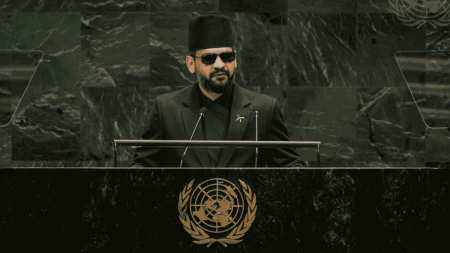
The verdict, then, rests on the next hundred days. Nepal is not yet in full bloom. It is also not in crisis. A take-off is possible; so is another false dawn. The outcome depends entirely on the RSP’s capacity, and its prime ministerial candiate Balendra Shah, to do what no Nepali party has done before: govern. ■