IMAGE VIA GLOBALGIVING
NEPAL’S BANKS have a sick problem. They have cash to lend, borrowing costs have crashed and the central bank keeps begging them to expand credit. Yet businesses stay gutless, lending growth crawls and bad loans pile up. In an economy where private-sector credit has swollen to roughly the size of annual output, the shortage stinks of productive borrowers rather than money.
The scale of the expansion is staggering. Between 2015 and 2022, lending by banks and financial institutions exploded from Rs1.37trn to Rs4.14trn, averaging about 17% annual growth. Credit as a share of GDP climbed from 56.7% to 94.2%. Nepal Rastra Bank’s July 2026 macroeconomic report describes two credit booms since 2000, with the more recent one dragging rising asset prices and pressure on the external sector along for the ride. The World Bank puts private-sector credit at 95.9% of GDP in fiscal year 2025-26, barely up from 95.7% a year earlier.
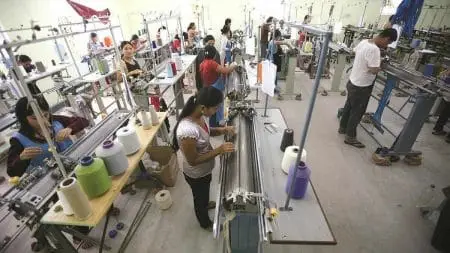
Borrowing expanding was never the disease. A developing economy needs banks to finance factories, power plants, hotels, farms and new businesses. The rot lies in where the money went. An IMF assessment of Nepal’s post-pandemic credit boom found lending became increasingly supply-driven, with easy money flooding disproportionately towards household consumption and less productive activities. The ratio of private investment to credit sank. Credit ballooned faster than the economy’s capacity to turn it into new productive assets.
The composition of lending gives the game away. By January 2026, household and consumer loans accounted for about 21.7% of bank credit, while wholesale and retail trade accounted for 18%. Manufacturing and production represented around 16%. Agriculture accounted for a pathetic 7.2%. These figures hardly prove household borrowing or trade finance is pure waste. They do, however, raise a nasty question about an economy whose banking system has become a master at financing purchases and commerce while failing to generate enough long-term investment.
Property has played an especially rotten role. Around three-fifths of total bank loans were secured by land and buildings by mid-May 2026, according to the NRB. The reliance on real estate collateral has made lending easier for borrowers who already own valuable property. It has also chained the health of bank balance sheets to the fortunes of the property market. When land prices rise, collateral values support more borrowing. When transactions freeze and prices weaken, banks find themselves clutching assets they cannot flog.
The consequences now stain loan books. The gross non-performing loan ratio hit 5.7% by mid-July 2026, a record, according to the World Bank. The Nepal Rastra Bank puts the commercial-bank ratio at 5.41% in the third quarter of 2025-26. The gap reflects different reporting coverage and dates, yet both figures point the same ugly direction. Banks are hauling a growing pile of troubled loans. Their aggregate capital adequacy ratio, at 12.8%, stays above the regulatory minimum, though rising provisions and impaired collateral have gutted their appetite for fresh lending.
The irony is that monetary policy has turned increasingly desperate. The NRB slashed its policy rate to 4.25% in July 2026. The weighted average lending rate had fallen to around 6.7% by mid-May, while excess reserves was at roughly Rs1.1trn. Yet credit growth stayed around 6%, well below the 12% target set for the previous fiscal year. The central bank can lower the price of money. It cannot manufacture viable projects, bully hesitant businesses into investing or make a borrower creditworthy.
Some of the restraint is rational. Firms facing uncertain demand and regulatory chaos have little reason to borrow simply because loans come cheap. Banks, meanwhile, have grown more cowardly as asset quality rots and collateral becomes gruesome to liquidate. The result is a financial system drowning in liquidity with confidence missing on both sides of the lending relationship.
The collateral problem also shafts smaller firms. A business with reliable cash flow but little property may struggle to obtain a loan, while an applicant with land can offer banks a familiar form of security. This favours asset ownership over entrepreneurial potential. The UNDP’s 2026 financing framework identifies the same weakness: credit allocation remains heavily collateralised, with small enterprises and borrowers in underserved regions facing limited access to finance. Sectoral lending quotas have inflated the volume of directed credit without necessarily ensuring it creates jobs or raises productivity.
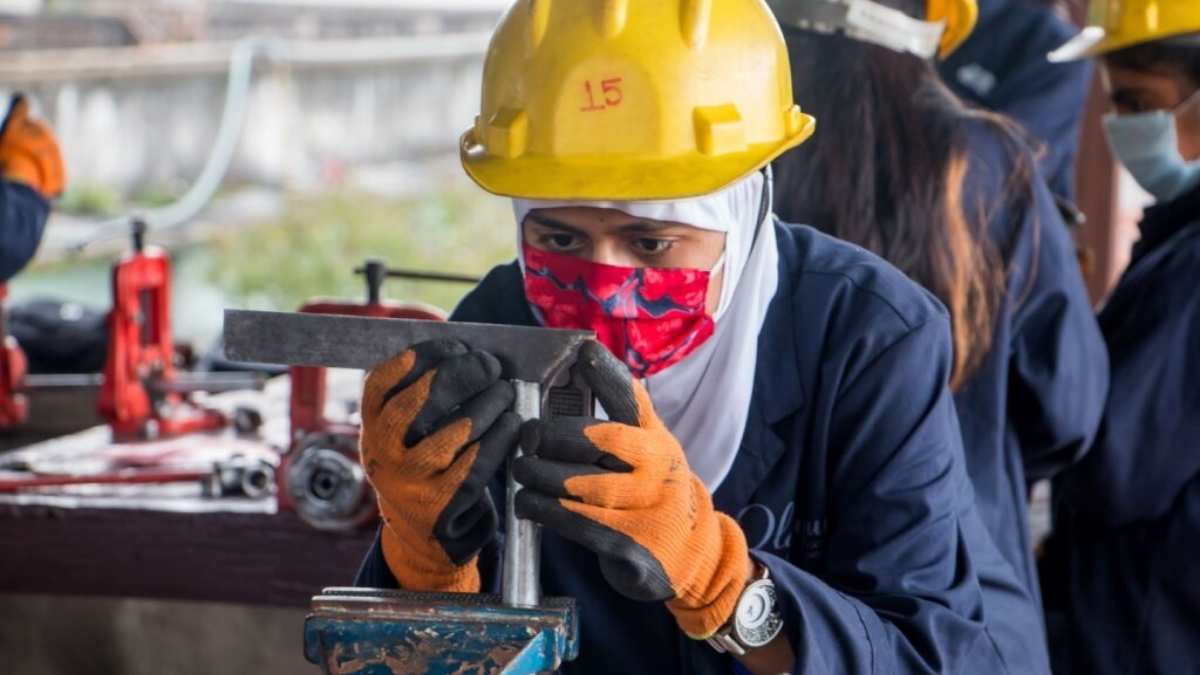
Nepal’s challenge, therefore, dwarfs persuading banks to lend again. The country needs better credit assessment, stronger insolvency and debt-recovery institutions, more reliable business information and financing instruments suited to firms whose principal assets are people, technology or future revenue. The NRB is preparing a strategy to improve non-performing-loan recovery, while the IMF has demanded a credible framework for an asset-management company alongside reforms to debt recovery and the property market.
A fiscal dimension festers too. Public capital expenditure execution crashed to 46.8% in FY2025-26, according to the World Bank. Poorly executed infrastructure budgets leave private investors without roads and other assets that make commercial projects viable. Banks cannot compensate for a state that struggles to complete the infrastructure on which private investment depends.
Nepal has spent years treating credit growth as a proxy for economic momentum. That measure has rotted. The country has already built a banking system capable of mobilising large sums of money. Its next task is making that money finance businesses that produce, export and employ. More lending, on its own, will achieve sweet bugger all. ■